Michigan Utility Buries All New Power Lines After Ice Storm
After a devastating ice storm left 66,000 people without power for weeks, Michigan's largest electric co-op is burying all new power lines to prevent future outages. The move signals a major shift in how utilities are preparing for climate change.
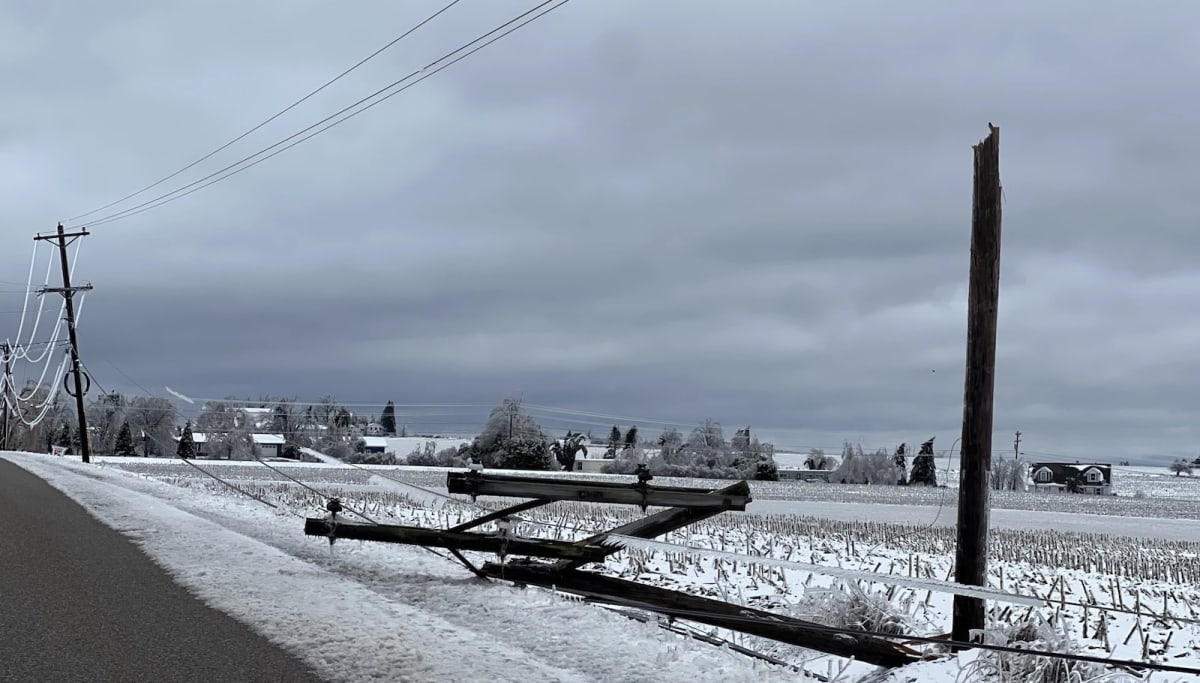
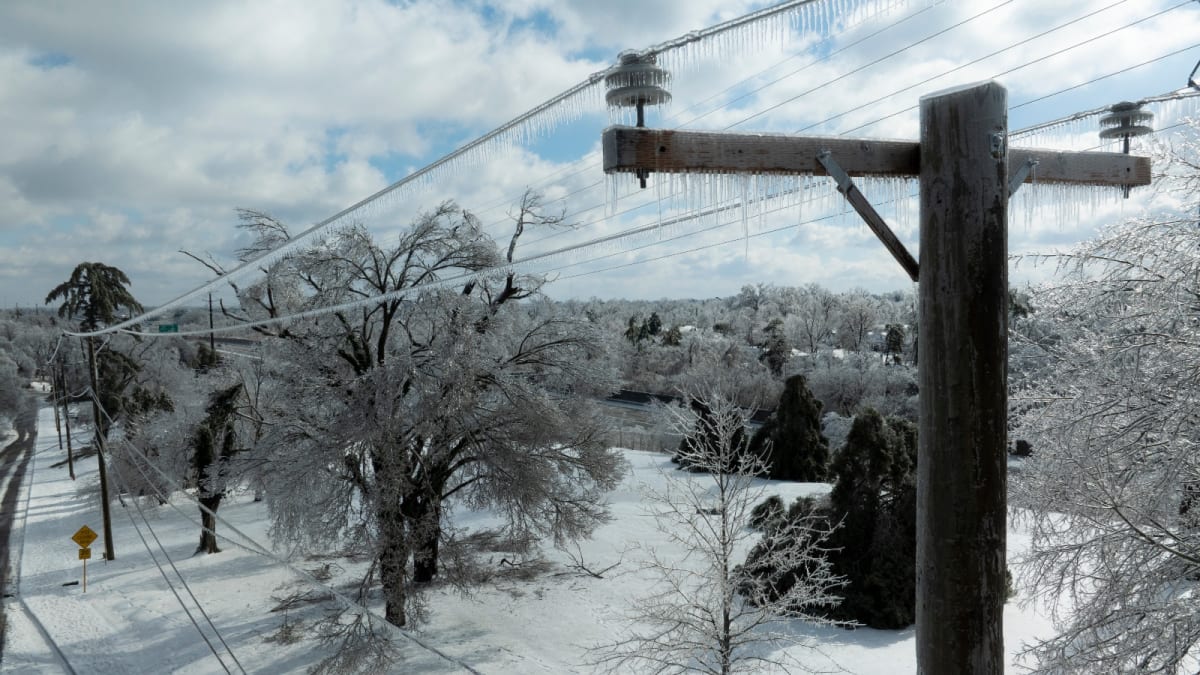
When Wanda Whiting drove her husband to the hospital during a heart emergency last March, she got lost on roads she'd driven for years. An ice storm had knocked out power across northern Michigan, plunging familiar streets into complete darkness.
The couple navigated fallen power lines and broken poles in the dark, with Wanda driving over thick cables that stretched across the road. They made it to the hospital and Dave recovered, but their power stayed out for two more weeks.
That storm knocked down trees and snapped utility poles across the region, causing 66,000 outages and costing $150 million in damages. For Michiganders already experiencing some of the longest power outages in the country, it was a wake-up call.
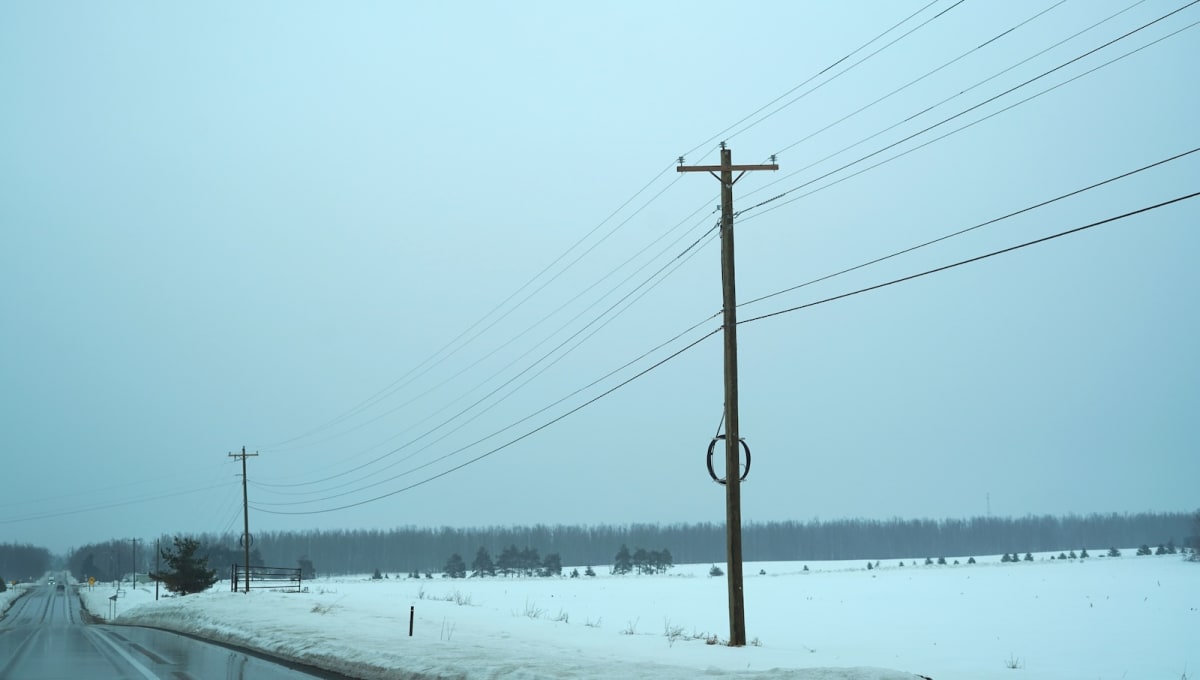
Now Great Lakes Energy, the state's largest electric co-op serving 26 counties, is taking action. The utility announced it will bury all new power lines going forward, a major policy shift in response to the storm.
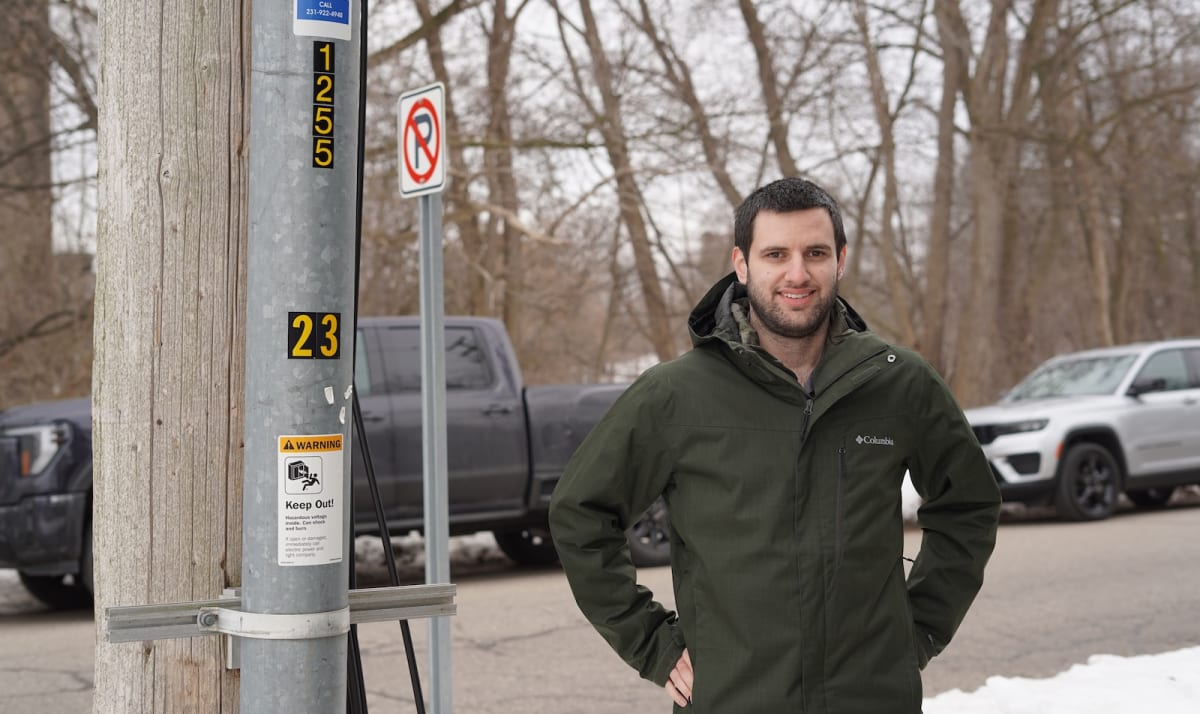
"I think there's reliability benefits for our membership, because it's going to help prevent outages over the long term," said Shari Culver, the co-op's chief operating officer. The change won't be cheap, costing three to five times more than overhead lines, but the utility believes it's worth the investment.
Climate researchers say northern Michigan will see more freezing rain instead of snow, making destructive ice storms more likely. Communities need to prepare for that different future, said Richard Rood, a climate change adaptation professor at the University of Michigan.
Other Michigan utilities are joining the effort. Traverse City Light & Power is burying lines strategically in high-risk areas, while Consumers Energy reports hearing from customers "consistently" about undergrounding more lines.
The Ripple Effect
The shift is happening nationwide as Americans face longer and more frequent weather-related outages. Utilities across the country are identifying areas where buried lines make the most sense, balancing cost against reliability improvements.
The approach isn't perfect. Burying existing overhead lines can cost up to $3 million per mile in urban areas, and repairs require digging up sidewalks. But burying new lines during construction is cheaper and easier, since crews can install them alongside water and gas utilities.
Stanford researcher Tao Sun says the key is planning ahead and getting community buy-in before disaster strikes, rather than reacting after the fact. That's exactly what's starting to happen in northern Michigan.
The Whitings now know their community is building toward a more reliable future, one buried power line at a time.
More Images

Based on reporting by Grist
This story was written by BrightWire based on verified news reports.
Spread the positivity!
Share this good news with someone who needs it