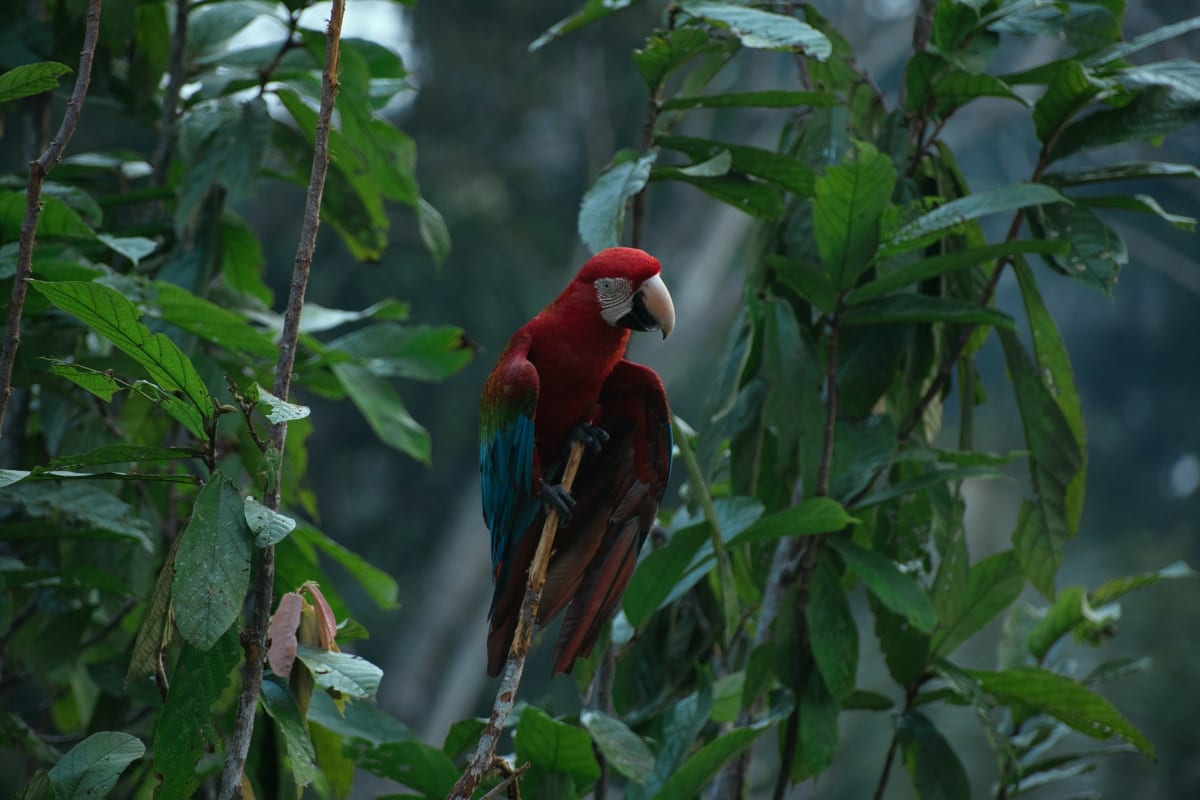
Microsoft's Solar Camera Monitors Forests for a Year Alone
A new AI-powered tool keeps watch over remote forests for over a year without any human help, making it easier than ever for scientists to protect wildlife. SPARROW has already been deployed across five continents.
Scientists protecting the world's forests just got a powerful new helper that works around the clock without complaint.
Microsoft's AI for Good Lab created SPARROW, a solar-powered camera system that watches over remote forests continuously for more than a year without anyone needing to check on it. The breakthrough solves a problem that has slowed conservation efforts for years.
"It takes a huge amount of effort to collect data," says Juan Lavista Ferres, director of Microsoft's AI for Good Lab. Before SPARROW, conservationists had to trek into dangerous terrain to install cameras, return weeks later to change batteries, and wait months to analyze what they captured.
The old system meant it could take a full year from the time scientists installed a camera to when they finally understood what animals were living in an area. Conservation moves slowly when the data takes that long to arrive.
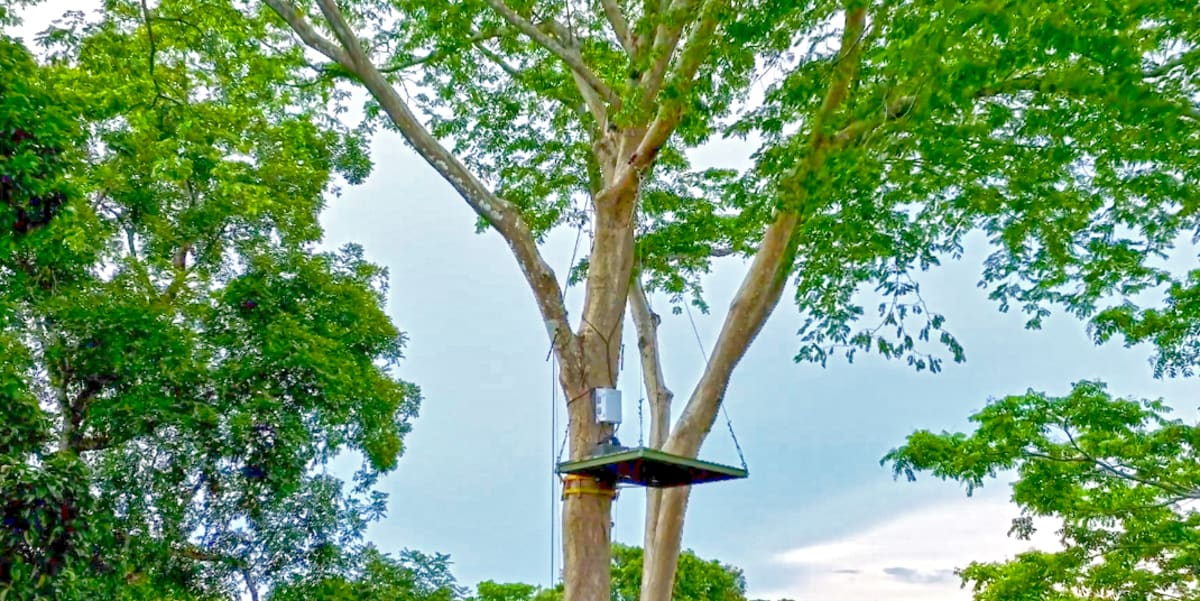
SPARROW changes everything by combining solar panels, artificial intelligence, and satellite connections into one weatherproof package. Scientists install it once, and the device does the rest automatically gathering images and sounds, analyzing them with AI, and sending results back through satellites or cellular networks.
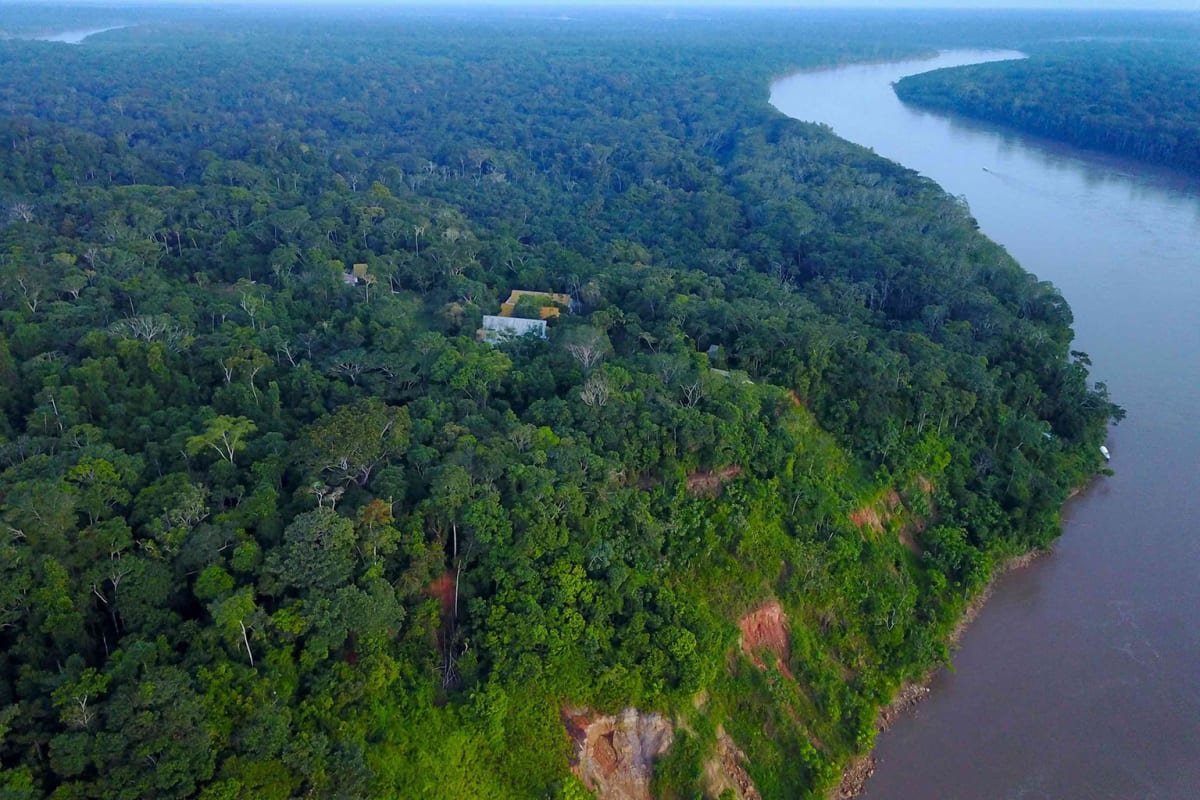
The team faced serious doubts at first. Critics said a high-tech device couldn't survive the humidity of places like the Amazon rainforest for a full year. One Microsoft engineer compared the challenge to building NASA's Mars rovers because once you deploy SPARROW, you can't easily go back to fix it.
But the skeptics were wrong. SPARROW has now operated successfully in 11 countries across five continents, proving that reliable long-term forest monitoring is possible.
The project started two years ago when Lavista Ferres attended a conservation meeting and had his breakthrough moment. He realized his team had been solving only a tiny piece of the puzzle by helping analyze data, while the real struggle was collecting it in the first place.
The Ripple Effect
The impact extends far beyond making life easier for individual scientists. When conservation moves faster, threatened species get protection sooner. Illegal logging and poaching can be detected in real time instead of months later. Indigenous communities working to protect their forests gain access to professional-grade monitoring tools.
By removing the barriers to data collection, SPARROW helps level the playing field for conservationists working in remote areas with limited resources. They can now focus their energy on protecting forests instead of wrestling with technical challenges.
The technology proves that sometimes the best way to help nature is to get out of the way and let smart tools do the watching. Forests around the world now have tireless guardians keeping watch.
More Images

Based on reporting by Mongabay
This story was written by BrightWire based on verified news reports.
Spread the positivity!
Share this good news with someone who needs it