
Aussie Wombat Robot Now Hunting 4,000-Year-Old Mystery
A robot built to explore wombat burrows is now searching for ancient artifacts beneath a Turkish mountain. The Australian technology could help solve one of archaeology's biggest mysteries.
Read the latest positive news, breakthroughs, and inspiring stories about conservation technology, curated daily by BrightWire.
A robot built to explore wombat burrows is now searching for ancient artifacts beneath a Turkish mountain. The Australian technology could help solve one of archaeology's biggest mysteries.

Conservationists are using high-tech drones to plant native trees from the sky across one of South America's most threatened forests. The experiment could transform how we restore landscapes too remote or damaged for traditional planting.

White-faced capuchin monkeys in Costa Rica are voluntarily using AI-powered touchscreens in the jungle, opening new frontiers in studying animal intelligence in the wild. Some monkeys even figured out they could "kiss" the screen to earn banana rewards.

A new AI-powered tool keeps watch over remote forests for over a year without any human help, making it easier than ever for scientists to protect wildlife. SPARROW has already been deployed across five continents.
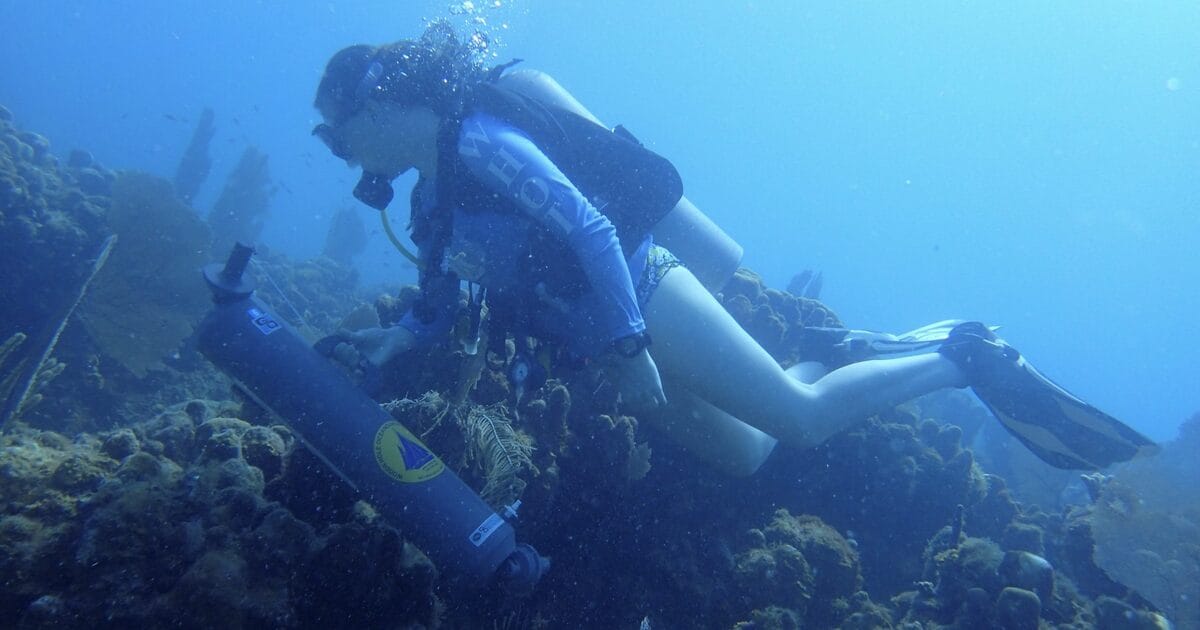
Researchers can now detect coral reef health problems before they're visible, using a breakthrough method inspired by human medical tests. The discovery could help protect reefs that sustain millions of people worldwide.

A groundbreaking radar system powered by AI is helping Arctic communities peacefully coexist with polar bears by detecting approaching animals before dangerous encounters occur. The technology has already guided a polar bear family safely back to sea ice after spotting them near a weather station.

A five-year-old with a sample kit just changed how we measure wildlife. NatureMetrics has surveyed 10% of Earth's surface using DNA from water samples, making biodiversity tracking finally possible at global scale.

A bottle of river water can now reveal every species living in an ecosystem, and this breakthrough technology has just mapped biodiversity across 10% of Earth's surface. Even a five-year-old can collect the samples.

Scientists have developed AI-powered drones that spot endangered birds 85% faster than traditional counting methods, giving conservationists precious time to protect species teetering on extinction. The breakthrough technology is now free for researchers worldwide to use.

An international research team found 31 unknown species in the South Atlantic Ocean using groundbreaking AI tools that protect fragile deep-sea creatures. The discoveries reveal vital insights into ocean health and the mysterious world between the surface and seafloor.

Abu Dhabi just launched an ambitious 25-year climate adaptation plan featuring 142 environmental projects, with 86 starting in the next five years. The plan combines cutting-edge technology with nature protection to secure the emirate's water, food, and ecosystems for future generations.

Australia just launched a groundbreaking platform that uses AI to identify animals in camera trap photos at lightning speed, helping scientists save endangered species before it's too late. The Wildlife Observatory brings together researchers across the country to track biodiversity and stop extinctions in their tracks.