Drones Drop 8,000 Trees to Restore Argentina's Gran Chaco
Conservationists are using high-tech drones to plant native trees from the sky across one of South America's most threatened forests. The experiment could transform how we restore landscapes too remote or damaged for traditional planting.
A drone just became a gardener in one of South America's most threatened forests, and the results could change conservation forever.
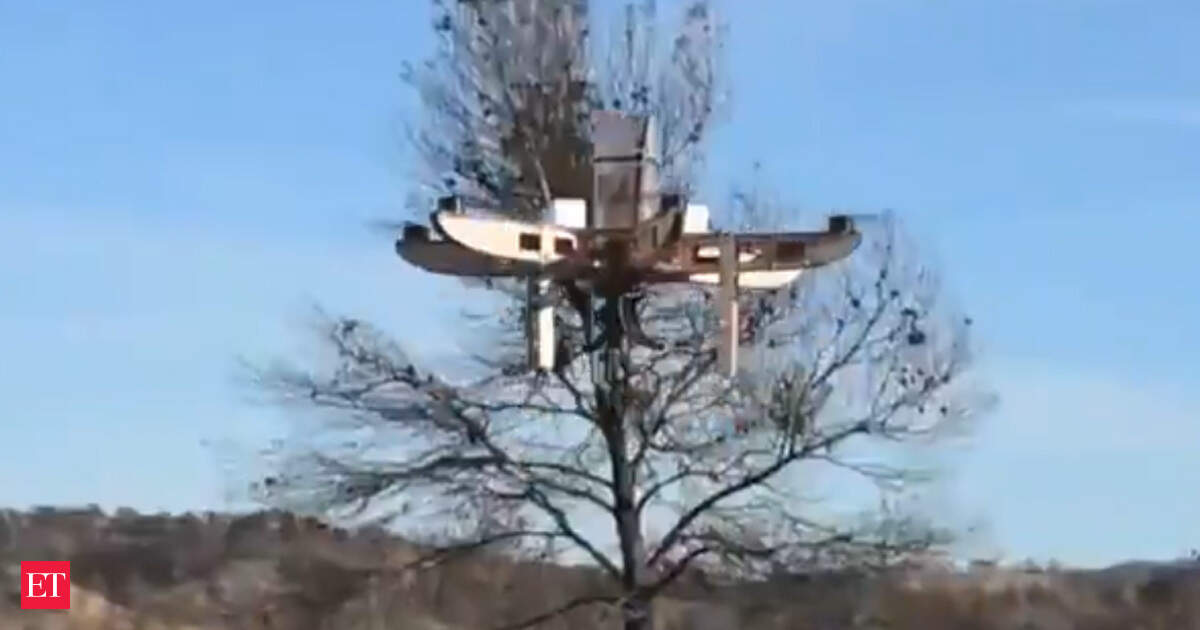
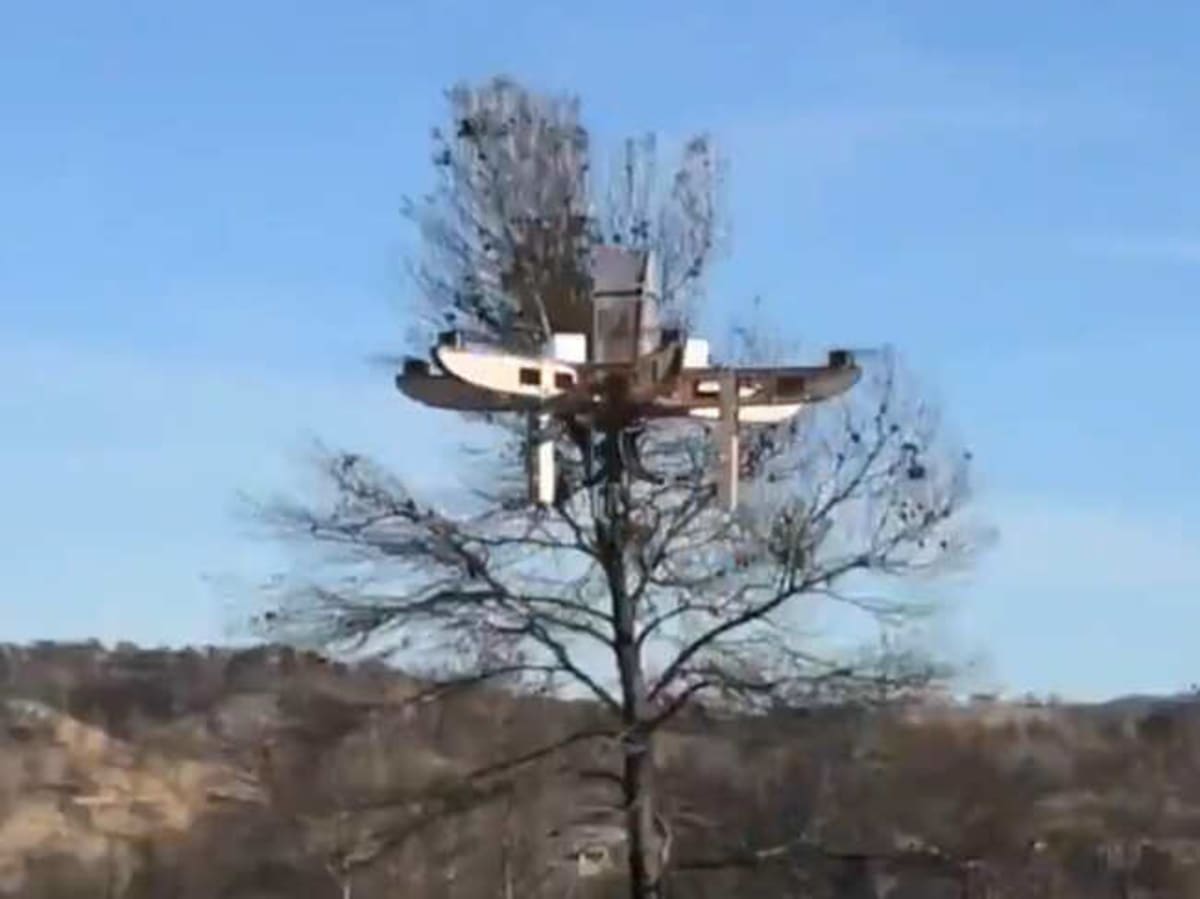
The Nature Conservancy and startup ReForest Latam recently flew drones over degraded patches of Argentina's Gran Chaco forest, dropping 8,000 biodegradable seed capsules designed to grow into native trees. The Gran Chaco stretches across more than 1 million square kilometers through Argentina, Paraguay, Bolivia, and Brazil, making it the continent's second-largest forest after the Amazon.
But this vital ecosystem has been disappearing at an alarming rate. Between 2010 and 2012, the region lost native vegetation at more than an acre per minute as cattle ranches and soybean farms replaced ancient woodlands. Projections suggest millions more acres could vanish by 2030.
Traditional tree planting in these remote, degraded areas is backbreaking work. Teams must haul seedlings, workers, and equipment into challenging terrain where heat and distance make every planting mission expensive and slow. That's where the drones make their entrance.
The technology involves more than just tossing seeds out of a flying robot. Each seed gets tucked inside a biodegradable capsule called an iSeed, packed with biostimulants that boost germination and help baby trees take root. Before takeoff, teams analyze the landscape using geographic information systems and artificial intelligence to match specific native tree species to the right environmental conditions.
Weather timing matters too. Crews monitor rainfall patterns before flights because water can make or break germination success. After the drones complete their runs, researchers check control plots every 45 days, comparing treated and untreated areas to measure what's actually growing.
The current pilot covers degraded areas in Tostado, Santa Fe, and Bandera, Santiago del Estero, aiming to restore about 13 hectares. It's part of a larger project with a goal of planting 100,000 trees, with more than 300 hectares already restored through traditional methods.
The Ripple Effect
If the drone experiment succeeds, it could unlock restoration in places previously considered too dangerous, costly, or difficult to reach. Fire-damaged landscapes, steep hillsides, and areas with limited road access could all become candidates for aerial seeding. The technology won't replace hand-planting, but it could work alongside traditional methods to speed up recovery at a scale that matches the urgency of forest loss.
Conservationists describe drone-assisted restoration as a complementary strategy that combines technology, ecological knowledge, and local participation. The goal isn't just planting more trees faster but doing it smarter, targeting the right species to the right spots where they'll thrive.
The 8,000 trees currently being tested represent a small fraction of what the Gran Chaco needs, but they mark a shift toward using innovation to solve conservation challenges that once seemed too big to tackle.
Sometimes the best way to heal a forest is from above.
More Images



Based on reporting by Google News - Reforestation
This story was written by BrightWire based on verified news reports.
Spread the positivity!
Share this good news with someone who needs it