Scientists Discover 31 New Species Off Brazil Coast
An international research team found 31 unknown species in the South Atlantic Ocean using groundbreaking AI tools that protect fragile deep-sea creatures. The discoveries reveal vital insights into ocean health and the mysterious world between the surface and seafloor.
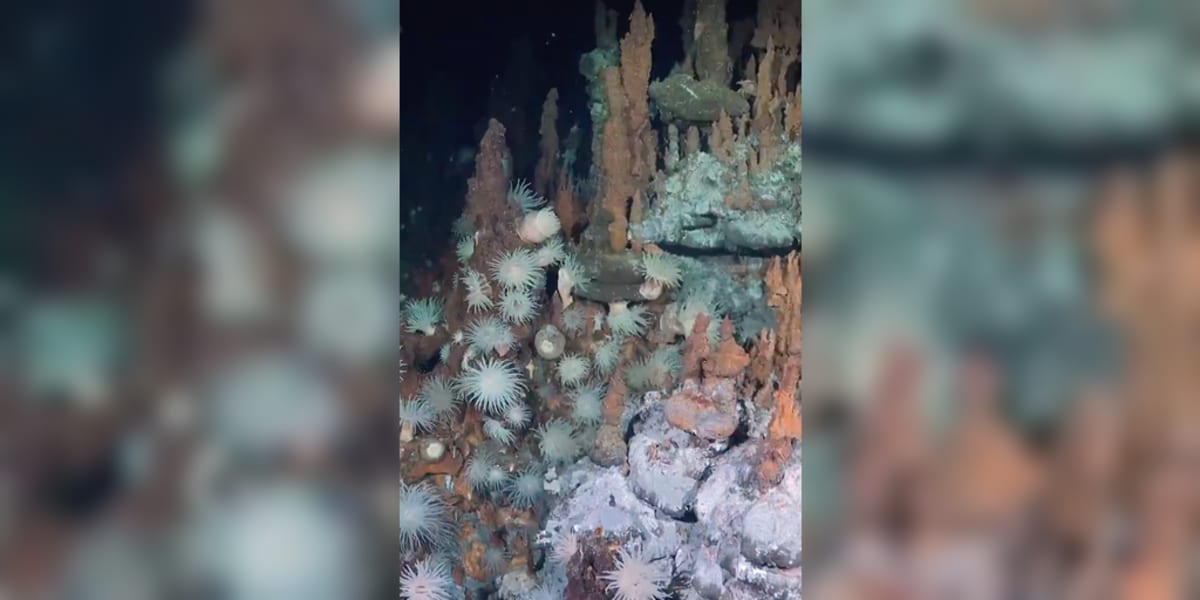
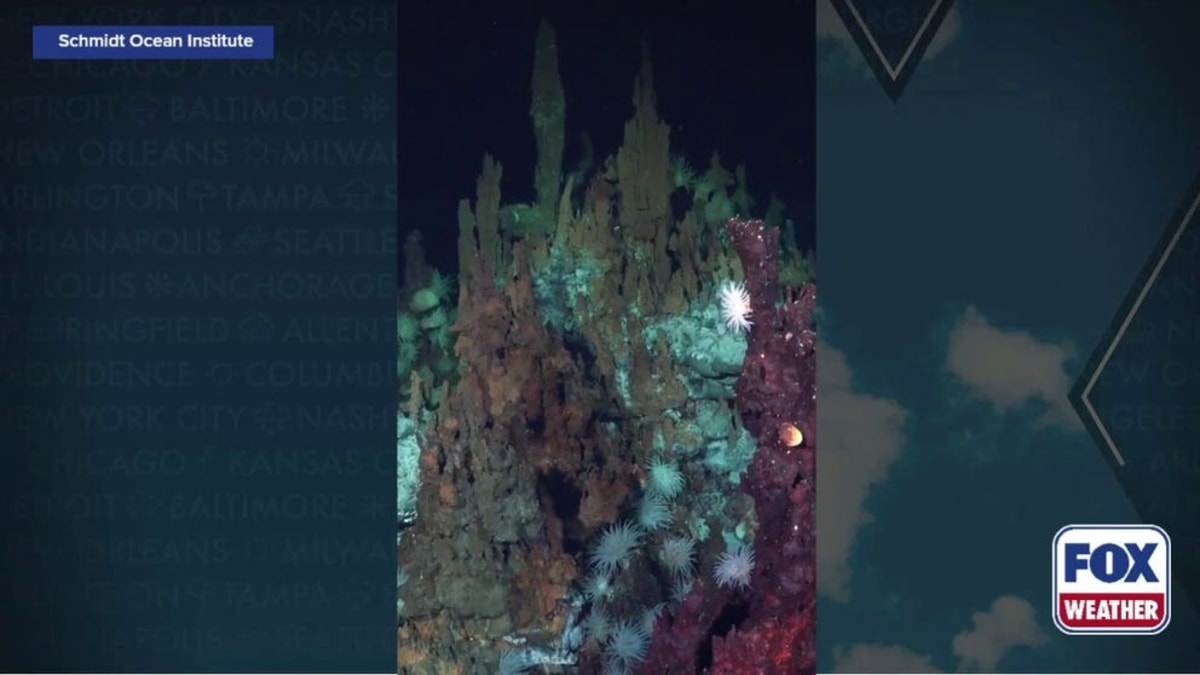
Scientists just unveiled 31 new species hiding in plain sight beneath the waves off Brazil's coast, proving our planet still holds countless secrets waiting to be discovered.
During a two-week expedition in the South Atlantic Ocean, an international team led by the Schmidt Ocean Institute and researcher Karen Osborn explored what she calls "the last and largest frontier." This mysterious zone sits between the ocean's surface and floor, home to delicate creatures that play crucial roles we're only beginning to understand.
The discoveries include nine new jellyfish species, seven siphonophores, seven ctenophores, four larvaceans, one amphipod, one gossamer worm, and two large single-celled organisms called rhizarians. Each find adds another piece to the puzzle of how our oceans function and thrive.
What makes this expedition truly special is how the team found these creatures without harming them. Traditional ocean sampling methods often damage or destroy the fragile gelatinous animals living in deep waters. But researchers used advanced AI tools that changed everything.
The team deployed DeepPIV technology, which projects laser light sheets to create 3D visualizations of marine life right where they live. They also used EyeRIS, a lightfield camera system that captures detailed images revealing how deep-sea creatures move and interact in their natural habitat.
These tools let scientists observe a deep-sea octopus's movements and study organism structures without disturbing them. The technology combines rapid genome sequencing with high-resolution imagery, allowing researchers to identify species on the spot.
The Ripple Effect
These discoveries do more than satisfy our curiosity about what lives beneath the waves. Understanding midwater creatures helps scientists protect marine ecosystems and improve overall ocean health. Every organism discovered reveals connections we never knew existed in the complex web of ocean life.
The expedition's success shows how technology and ocean science can work together to explore our planet without damaging it. The AI tools developed for this mission will help future researchers study fragile marine life worldwide while keeping these creatures safe.
The images and data collected provide a roadmap for protecting these newly discovered species and their habitats. Scientists can now make informed decisions about ocean conservation based on actual evidence of what lives there and what they need to survive.
Every dive reveals fascinating organisms that shape our oceans in ways we're still learning to appreciate. This expedition proves that exploration and conservation can go hand in hand, opening doors to discoveries that benefit both science and the creatures we study.
The ocean still holds countless wonders waiting to teach us about life on Earth.
More Images
Based on reporting by Google News - Scientists Discover
This story was written by BrightWire based on verified news reports.
Spread the positivity!
Share this good news with someone who needs it