Middle East Solar Market Grows With Storage Push
The Middle East is rapidly expanding its solar and battery storage infrastructure, with emerging markets like Iraq, Libya, and Yemen joining the renewable energy surge. Major suppliers and decision-makers gathered in Abu Dhabi last week to chart the region's clean energy future.
Solar power is taking off across the Middle East and North Africa, with battery storage systems making renewable energy work even in the region's most challenging markets.
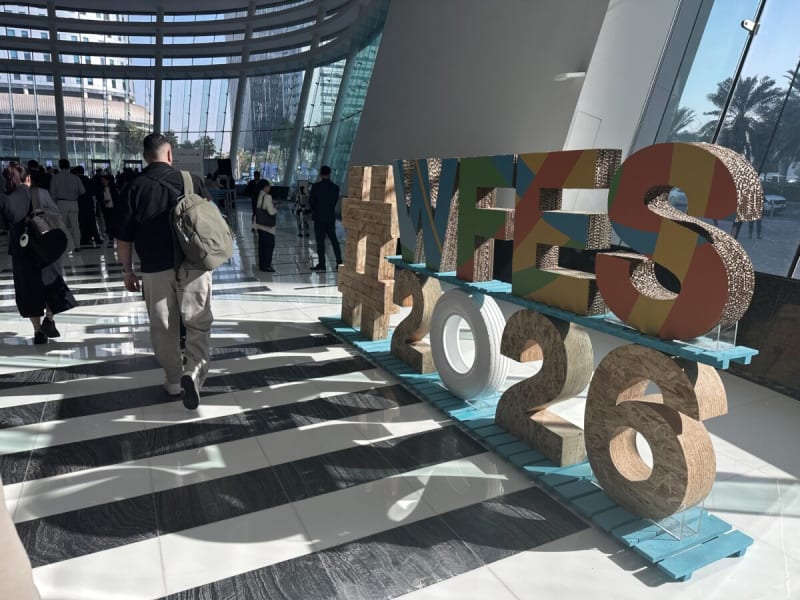
The World Future Energy Summit in Abu Dhabi last week brought together thousands of suppliers, developers, and government leaders to showcase how solar and storage technology is solving real problems. Countries once written off as too unstable for major investment are now attracting serious attention from renewable energy companies.
Iraq, Yemen, and Libya are emerging as promising markets despite ongoing political challenges. These countries face major electricity access problems, and solar paired with batteries offers a faster solution than building traditional power plants. "We face major challenges with electricity access in parts of the region," said Waleed AlHallaj, CEO of Solarabic. "In other areas, the grid is so saturated with renewables that energy storage is the only solution."
Morocco installed over 1 gigawatt of solar in its agricultural sector alone last year. Farmers across the region are discovering that solar-plus-storage systems provide reliable power for irrigation and operations without depending on unstable grids.
The commercial and industrial sector is booming in the UAE and Saudi Arabia. Battery systems let businesses generate their own power and store it for peak demand hours, cutting costs and reducing strain on national grids.
Data centers powering artificial intelligence are creating unexpected opportunities for renewable energy. These facilities need massive amounts of electricity around the clock, and batteries can respond fast enough to meet their aggressive construction timelines. "Batteries are the only systems fast enough to meet the aggressive timelines of AI data centers," said Hong Soo Goh, grid technology director at Sungrow.
The conference floor reflected growing market confidence. Suppliers from India, China, Germany, Switzerland, and Turkey set up dedicated exhibition areas, signaling that the region has moved beyond pilot projects to serious scale.
The Ripple Effect
The expanding Middle East solar market is creating jobs and building local expertise across the supply chain. As more countries invest in renewable energy, they're training technicians, developing maintenance networks, and building the foundation for long-term energy independence.
ACWA Power's Fazle Moyeen Quazi noted the growing diversity of participants. "We meet not only technology manufacturers but also contractors, developers, ministers, and regulators," he said. "It's a truly global platform."
The shift toward solar and storage is happening even as most regional governments continue major oil and gas investments. But renewable energy is proving it can solve problems that fossil fuels can't, from remote area electricity access to grid stability in countries adding solar faster than transmission lines can handle.
Battery technology is proving particularly valuable for managing the quick power fluctuations that destabilize grids. Storage systems respond instantly to maintain grid frequency and voltage, something increasingly important as solar makes up larger shares of regional electricity generation.
The Middle East Solar Industry Association brought 27 member companies to the summit, a sign of how central the event has become for the sector. The region's solar story is just beginning, with established markets growing and new ones opening faster than many expected.
More Images


Based on reporting by PV Magazine
This story was written by BrightWire based on verified news reports.
Spread the positivity!
Share this good news with someone who needs it