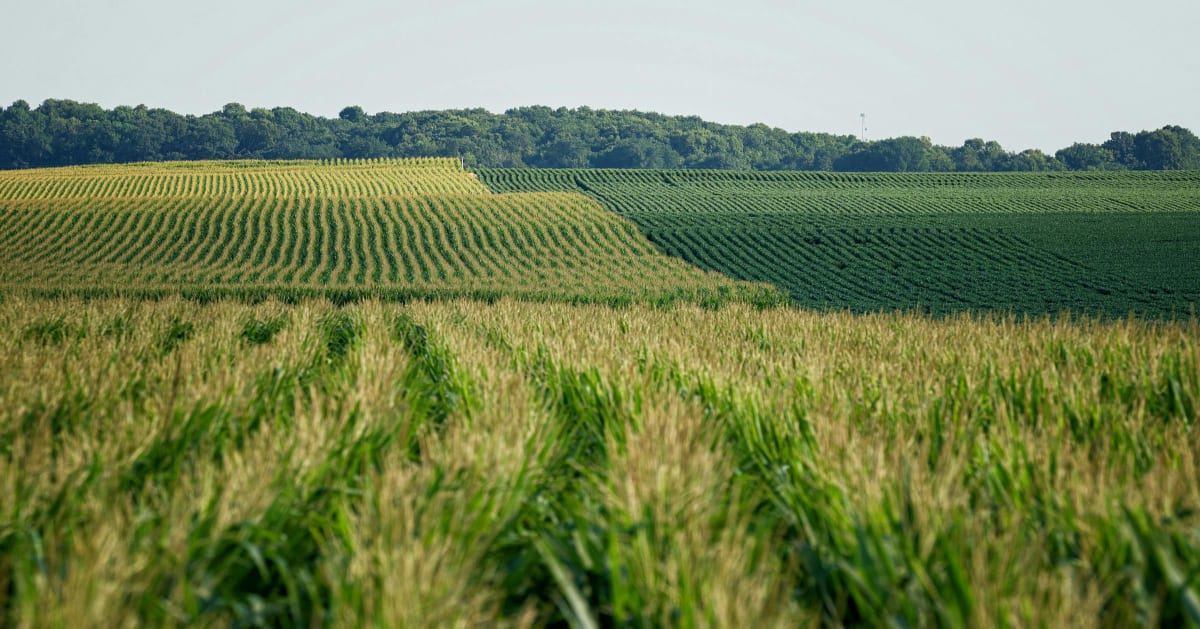
Minnesota Launches Green Ammonia for Farmers by 2028
Minnesota farmers will soon buy locally made fertilizer powered by wind energy, slashing costs and carbon emissions. A new coalition just secured a deal to produce 14,000 tons annually starting in 2028.
Minnesota farmers are about to get something they've desperately needed: affordable fertilizer that doesn't wreck the planet.
The newly formed Minnesota Made Ammonia Coalition announced it struck a deal with Texas-based TalusAg to produce more than 14,000 tons of anhydrous ammonia each year using wind energy. Construction on the first facility in Blue Earth could begin in late 2027, with production starting as early as 2028.
For farmers like Jay Landsteiner, who runs a 2,000-acre corn and soy farm near Mapleton, this news means relief from years of price chaos. Fertilizer costs jumped 300% after the pandemic and remain unpredictable. Landsteiner paid 25% more for ammonia this year than last year.
"Just having a reliable source, and not having to always worry," Landsteiner said. "That's worth its weight in gold."
Minnesota farmers purchased more than 200,000 tons of anhydrous ammonia in 2024, nearly all of it shipped from southern states like Texas. Making traditional ammonia releases massive amounts of carbon dioxide because it relies on fossil fuels. Nitrogen fertilizer alone accounts for more than a third of emissions from growing corn.
The University of Minnesota helped pioneer the solution at its Morris research center, building a wind-powered pilot facility in 2013. But scaling green ammonia production while keeping it affordable has stumped researchers for years. Manufacturing costs simply ran too high.
TalusAg cracked the code through clever cost-cutting. The company plans to build several small production plants instead of one massive facility, which reduces equipment and maintenance costs. Local production eliminates expensive shipping from out of state.
The biggest savings come from a brilliant twist: TalusAg will build plants right next to existing wind farms and purchase energy during curtailments. Wind farms increasingly produce more electricity than the grid can handle when winds blow strong but demand stays low. That excess energy, which would otherwise go to waste, comes cheap.
Central Farm Service, a cooperative representing 4,500 southern Minnesota farmers, already signed a contract to buy the ammonia at a fixed price for 10 years. If everything goes as planned, TalusAg's production could supply at least 5% of Minnesota farmers' annual needs.
Why This Inspires
This story shows how creative problem-solving can tackle multiple challenges at once. Minnesota farmers get price stability and locally sourced products. The climate benefits from dramatically lower emissions. Wind farms find a profitable use for energy that would otherwise disappear into thin air.
Rep. Paul Anderson, who supports the coalition, sees the bigger picture. "This is an opportunity to produce it here in Minnesota in a reliable fashion and bring some stability," he said.
Sometimes the best solutions come from connecting the dots between problems that seem unrelated. Minnesota just proved that wasted wind energy and volatile fertilizer prices can solve each other.
More Images

Based on reporting by Google News - Clean Energy
This story was written by BrightWire based on verified news reports.
Spread the positivity!
Share this good news with someone who needs it


