Malaysia Farms Use AI to Boost Crops 10% Before Harvest
Malaysian farmers are using satellites and drones powered by artificial intelligence to spot crop problems two weeks before the human eye can see them. The technology is helping farms grow 10% more food on the same land while slashing water waste and chemical use.
For thousands of years, farmers trusted their eyes and instincts to grow food. Now, Malaysian agriculture is getting a technological upgrade that could help feed millions more people while protecting the planet.
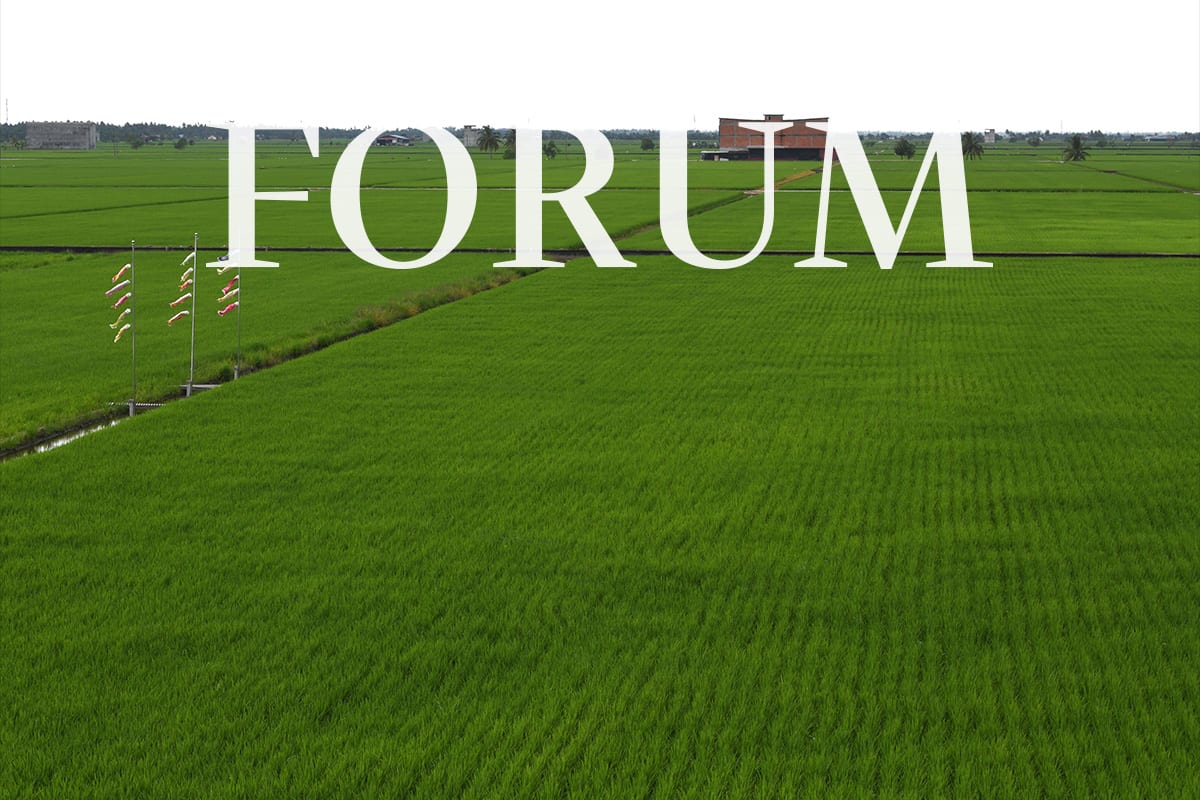
Across Malaysia's farmlands, an invisible revolution is taking root. Satellites, drones, and artificial intelligence are watching crops from above, detecting problems like drought stress and disease 10 to 14 days before any farmer could spot them walking the fields.
The timing couldn't be better. The world needs 70% more food by 2050 to feed a growing population, while 266 million people already face severe food shortages today. Malaysia spends RM80 billion importing food each year because less than 10% of its farmland grows food crops.
Companies like Agritix and Bit Group are changing that equation. Their systems combine satellite images with ground sensors that measure soil moisture and nutrients in real time. AI processes all that data and tells farmers exactly which areas need water or fertilizer, down to the specific plot.
The results are remarkable. Farms using these predictive systems are seeing 5% to 10% higher yields without planting a single extra seed or clearing more land. They're simply farming smarter within their existing boundaries.
The environmental gains match the production wins. Traditional farming meant spraying entire fields with chemicals and water, whether every corner needed it or not. That approach poisoned waterways, killed helpful soil bacteria, and wasted money on unnecessary inputs.
Now IoT sensors buried across farms feed continuous readings to AI systems that respond instantly. If one zone runs dry, water flows there automatically. If another section has too much nitrogen, the system holds back fertilizer. No guesswork, no waste.
The Ripple Effect
This precision approach is slashing water consumption and chemical runoff across Malaysian agriculture. The government's MyAgriTECH initiative reports efficiency gains above 90% on farms using these systems.
Those improvements matter beyond individual farms. Less chemical runoff means cleaner rivers and healthier ecosystems downstream. More efficient water use preserves precious resources during increasingly unpredictable climate patterns.
The technology also makes farming more profitable, which keeps more Malaysians working the land instead of abandoning agriculture for cities. Every farm that adopts these tools becomes more resilient against droughts, pests, and market shocks.
Malaysia's agricultural transformation shows how technology can solve multiple problems at once. The same AI systems that boost yields also protect the environment, reduce import dependence, and strengthen food security for millions of people.
Farmers who spent generations reading clouds and testing soil with their hands now have digital partners that never sleep, watching every plant and responding to its needs in real time.
Based on reporting by Regional: malaysia technology (MY)
This story was written by BrightWire based on verified news reports.
Spread the positivity!
Share this good news with someone who needs it