Midwest Network Saves 500 Native Species From Extinction
A new coalition of 300 scientists across 11 states is solving a critical shortage threatening America's ecosystems. They're making native seeds available again after climate disasters destroyed millions of acres.
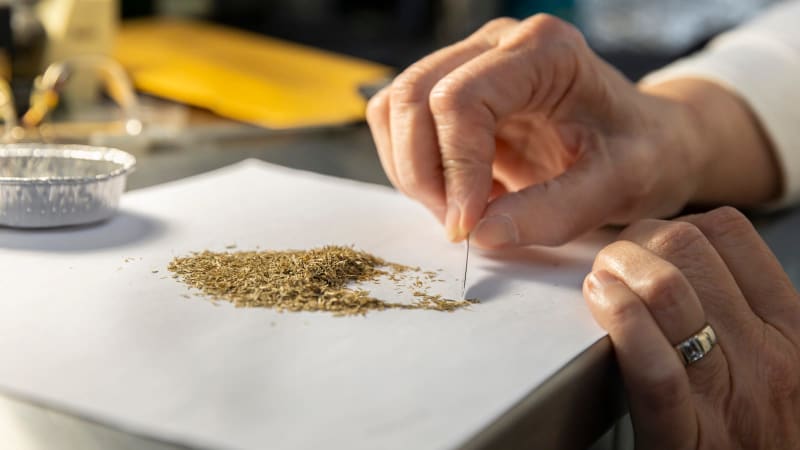
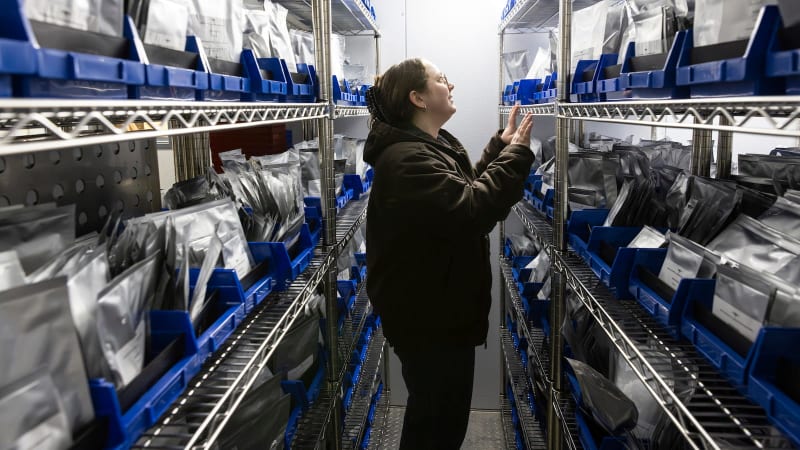
Under warm lamplight at the Chicago Botanic Garden, volunteers carefully separate tiny black-eyed Susan seeds destined for a vault holding 46 million others. Each seed represents hope for restoring the Midwest's vanishing prairies, wetlands, and woodlands.
These aren't ordinary seeds. They're native species that evolved over thousands of years to sustain regional ecosystems, making them essential for rebuilding habitats after wildfires, hurricanes, and other climate disasters.
The problem is urgent: Native seeds have become dangerously scarce just as demand skyrockets. Wildfires alone have burned over 170 million acres across America since 2000, with agencies purchasing up to 10 million pounds of seed in bad fire years to restore scorched landscapes.
In 2024, the Chicago Botanic Garden launched the Midwest Native Seed Network to fix this crisis. The coalition brings together 300 restoration experts across 150 institutions in 11 states, all working to identify which species are needed most and how to grow them at scale.
Their first major survey revealed stunning news: more than 500 native Midwest species had become effectively unavailable for restoration work. Some weren't being grown at all, others cost too much for large projects, and many remained scientific mysteries that experts hadn't figured out how to germinate reliably.
Now the network is changing that. They're compiling research on everything from submerged pond plants to tricky species like the bastard toadflax, sharing knowledge that was previously scattered across dozens of organizations.
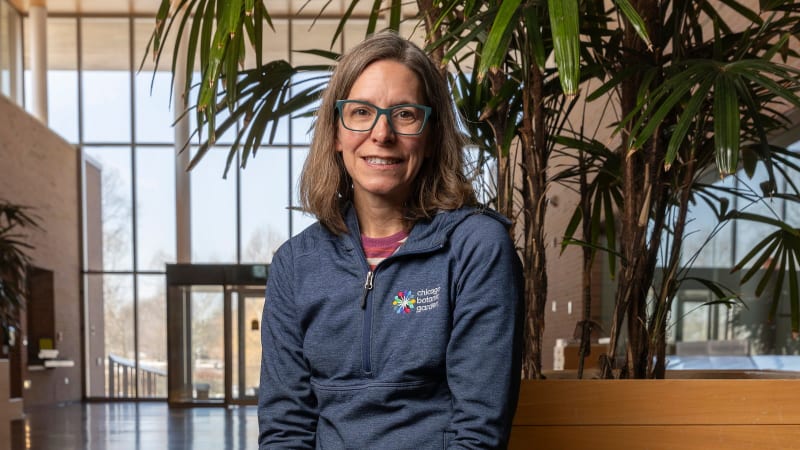
Andrea Kramer, director of restoration at the garden, explains their mission simply: connect people who need seeds with those who know how to grow them. While the network doesn't sell seeds directly, it partners with growers who do.
The timing couldn't be better. The 2021 infrastructure law dedicated $1.4 billion for ecosystem restoration, including $200 million specifically for native seed strategies. The following year, another $18 million went toward developing an interagency seed bank.
The Ripple Effect
This collaboration means restoration projects that once stalled for lack of seeds can now move forward. Urban gardens gain access to plants that support local pollinators like monarch butterflies. Burned forests can be replanted with species genetically adapted to thrive in their specific regions.
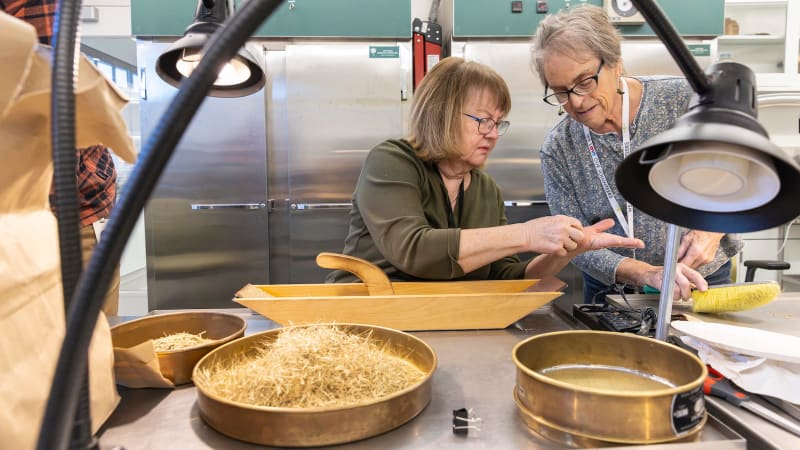
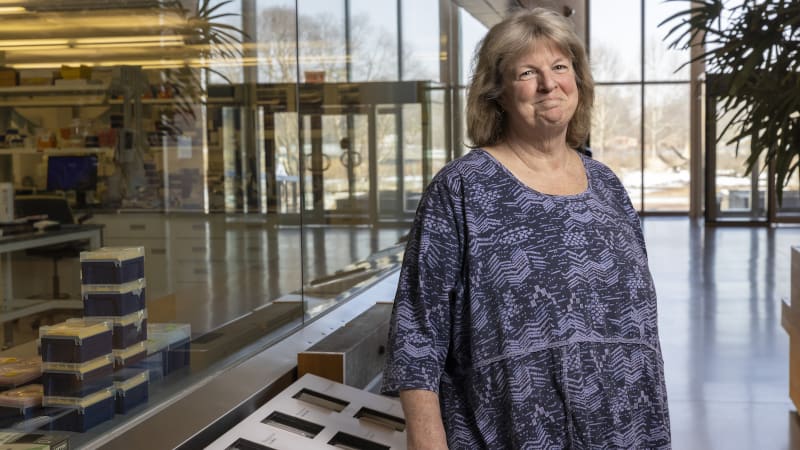
Every seed cleaned and cataloged by volunteers like Marty Landorf multiplies into future ecosystems. The milkweed seeds she processes, with their silky fluff that drifts everywhere, will become food for monarch caterpillars. The black-eyed Susans will bloom again in restored prairies.
By pooling their knowledge and resources, these 300 scientists are ensuring that America's native plants won't just survive in seed vaults but will flourish again across millions of acres of restored land.
More Images
Based on reporting by Grist
This story was written by BrightWire based on verified news reports.
Spread the positivity!
Share this good news with someone who needs it
%2Fhttps%3A%2F%2Ftf-cmsv2-smithsonianmag-media.s3.amazonaws.com%2Ffiler_public%2Fa1%2F49%2Fa1499be1-a337-473d-a81a-8d93d4b73f7e%2Fimage-1200-43334072918d7c689f4c8c2e2824b65b.jpeg)