Minnesota Tests Clay Treatment to Stop Toxic Algae Blooms
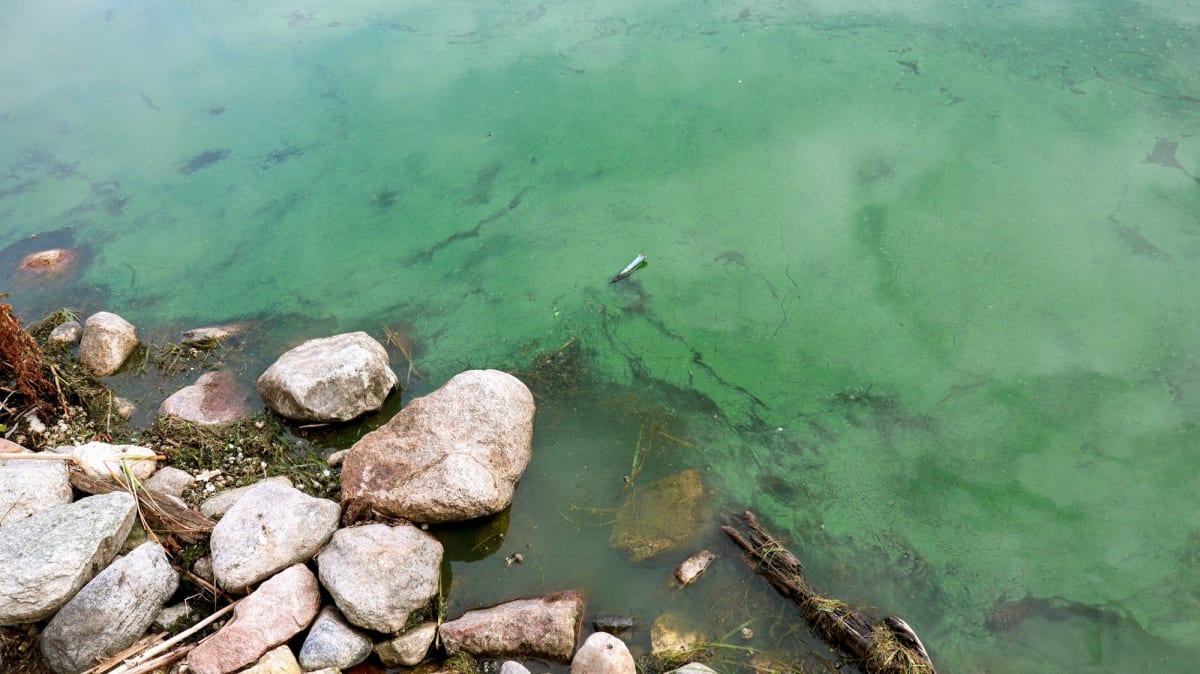
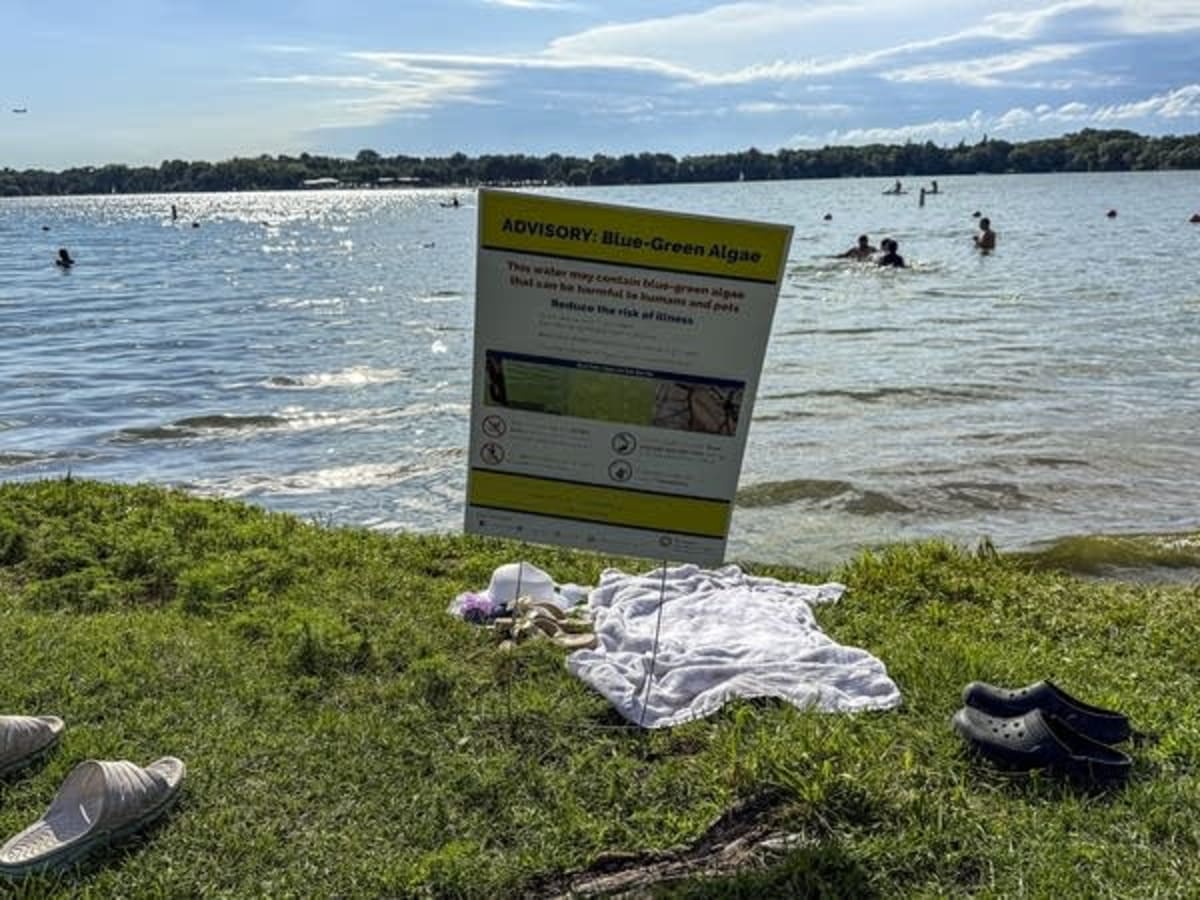
University of Minnesota researchers are testing a promising clay-based treatment that could finally tackle the toxic algae blooms plaguing lakes and ponds across America. The innovative approach has already shown lab success and could scale up to help massive lakes like Erie.
Scientists in Minnesota are fighting back against toxic algae blooms with an unexpected weapon: clay.
Researchers at the University of Minnesota are preparing to test a natural treatment method that sprays clay particles onto contaminated water. The particles bind with harmful cyanobacteria and sink them to the bottom where they die from lack of sunlight.
The technique has been used successfully in other countries but hasn't gotten much attention in the United States until now. A 2020 federal law directed the U.S. Army Corps of Engineers to develop new methods for preventing these dangerous blooms, opening the door for innovation.
This summer, teams will test the treatment on two Minneapolis stormwater ponds with a history of algae problems. One pond will receive natural clay while the other gets a synthetic version called laponite that's non-toxic and naturally degrades.
Trevor Cyphers, a fisheries biologist with the Army Corps, says the Minneapolis project offers a "real-world situation" to test techniques that could eventually protect both small ponds and massive lakes. The method has already removed cyanobacteria successfully in lab settings and larger tanks at Ohio State University.
The Bright Side
The synthetic clay option actually works better than traditional clay in some ways. Researchers discovered it removes more cyanobacteria at lower doses and doesn't cloud the water because it's translucent.
Chris Filstrup, a lake scientist at the U of M's Natural Resources Research Institute, says the team is excited to see how the treatment performs as they scale up to bigger ecosystems. If successful in stormwater ponds, the method could tackle costly annual blooms in places like Lake Erie.
Stormwater ponds make ideal testing grounds because they have few fish, no currents, and limited aquatic life that could be affected. Still, scientists are conducting additional lab studies to ensure the clay won't harm freshwater mussels or other organisms.
After treatment, researchers will collect water and sediment samples to measure effectiveness and check for any toxic effects. The public can comment on the environmental review through June 29, with work beginning as soon as this summer.
Filstrup notes that while clay treatments show real promise, they address symptoms rather than root causes like nutrient runoff and climate change. The solution requires both immediate treatment tools and longer-term fixes to underlying problems.
If no significant environmental impacts are found, this simple treatment could become a powerful tool in protecting water quality and public health across the nation.
More Images
Based on reporting by Google News - Researchers Find
This story was written by BrightWire based on verified news reports.
Spread the positivity!
Share this good news with someone who needs it