Milan's Solar Panels Now Power the Grid After Dark
Solar panels in Milan just proved they can help stabilize the electrical grid even when the sun isn't shining. Researchers turned nighttime solar equipment into a grid support system that could change how we think about renewable energy.
Your solar panels might have a secret superpower you didn't know about.
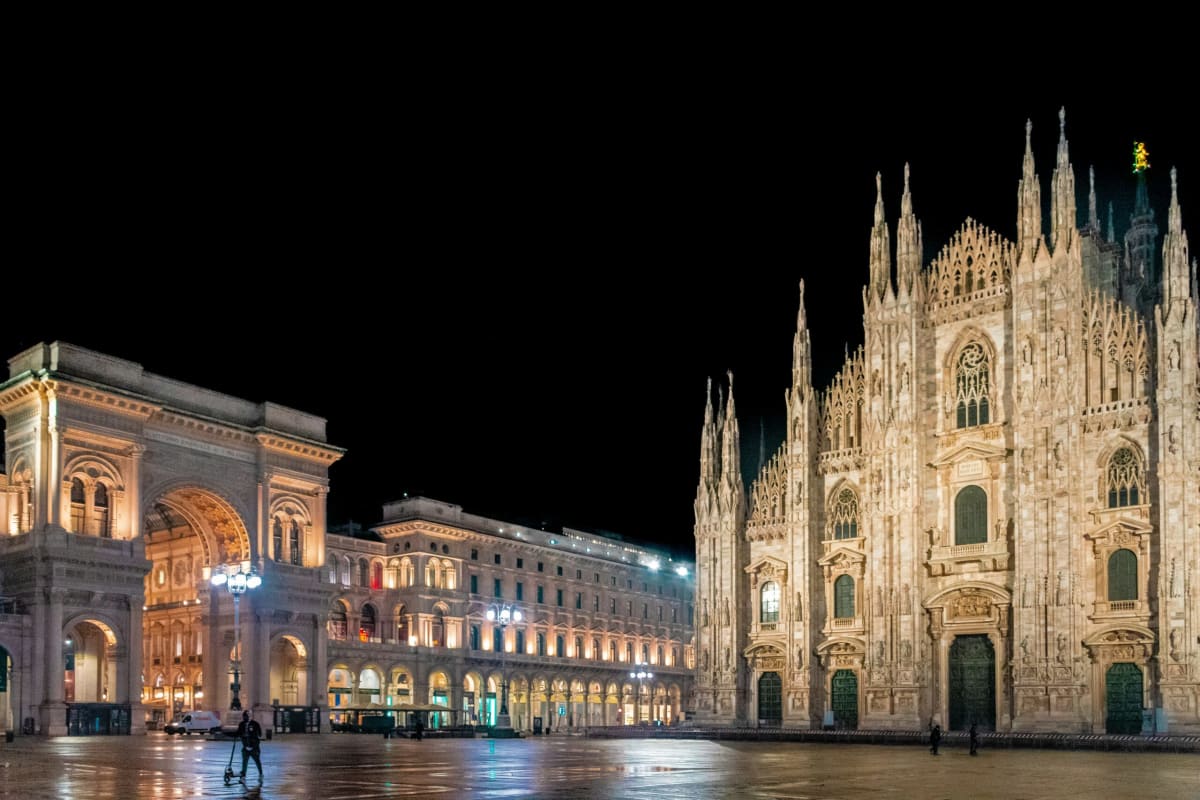
Researchers at Milan's Polytechnic University just pulled off something remarkable. They used solar panel equipment to help stabilize the city's electrical grid for four straight hours in the middle of the night, when solar panels normally sit completely idle.
Here's how it works. Solar systems need inverters to convert the electricity they generate during the day. At night, those inverters typically do nothing at all.
But the Milan team realized these inverters could still help the grid by providing something called reactive power. Think of it like this: your electrical grid needs two types of power to stay healthy. Active power does the actual work of running your appliances. Reactive power helps maintain proper voltage levels and keeps everything flowing smoothly.
During the night of September 8-9, the inverters at the university's PoliGrid site supplied 500 kilovolt-amperes reactive (kVAr) of power to Milan's distribution network from 1 a.m. to 5 a.m. The equipment was already there. The cost was minimal. And it worked beautifully.
"The particularly interesting aspect is the use of photovoltaic inverters during the night," said Filippo Bovera, a researcher on the project. The university even earned revenue for providing the service.
The trial was part of MindFlex, a pilot project run by Unareti, Milan's local distribution system operator. They paid the university for having the capacity available during overnight hours when grid support is often needed.
The Ripple Effect
This breakthrough flips a common criticism of renewable energy on its head. Grid operators often view distributed solar systems as a challenge to manage.
Now those same systems could become part of the solution. Thousands of existing solar installations across cities could help regulate voltage and improve power quality without any new construction or equipment.
The cost to provide this service is remarkably low, mostly just the minor wear on inverters and a small amount of electricity loss. The infrastructure is already installed on millions of rooftops and solar farms worldwide.
The technology itself isn't new. Solar inverters have had this capability for years. The real obstacles are logistical: enabling the feature across many installations, coordinating them effectively, and creating market systems that fairly compensate solar owners for helping the grid.
The researchers used an energy management system called LePo to coordinate the inverters and continuously adjust their output. The system had to account for the campus's normal electricity use and deliver exactly the right amount of reactive power on top of that baseline.
What makes this especially promising is its local nature. Unlike large power plants that serve entire regions, this kind of grid support works best when it's distributed throughout neighborhoods. That's exactly where rooftop solar already lives.
The biggest remaining challenge is creating the right economic incentives and technical standards to make this happen at scale. Distribution operators need clear rules for purchasing these services, and solar owners need reliable ways to monetize their equipment's overnight capabilities.
This nighttime grid support could help solar energy become not just a clean power source, but an active partner in keeping our electrical systems stable around the clock.
More Images


Based on reporting by PV Magazine
This story was written by BrightWire based on verified news reports.
Spread the positivity!
Share this good news with someone who needs it