Millions Watch Europe's First Total Solar Eclipse Since 1999
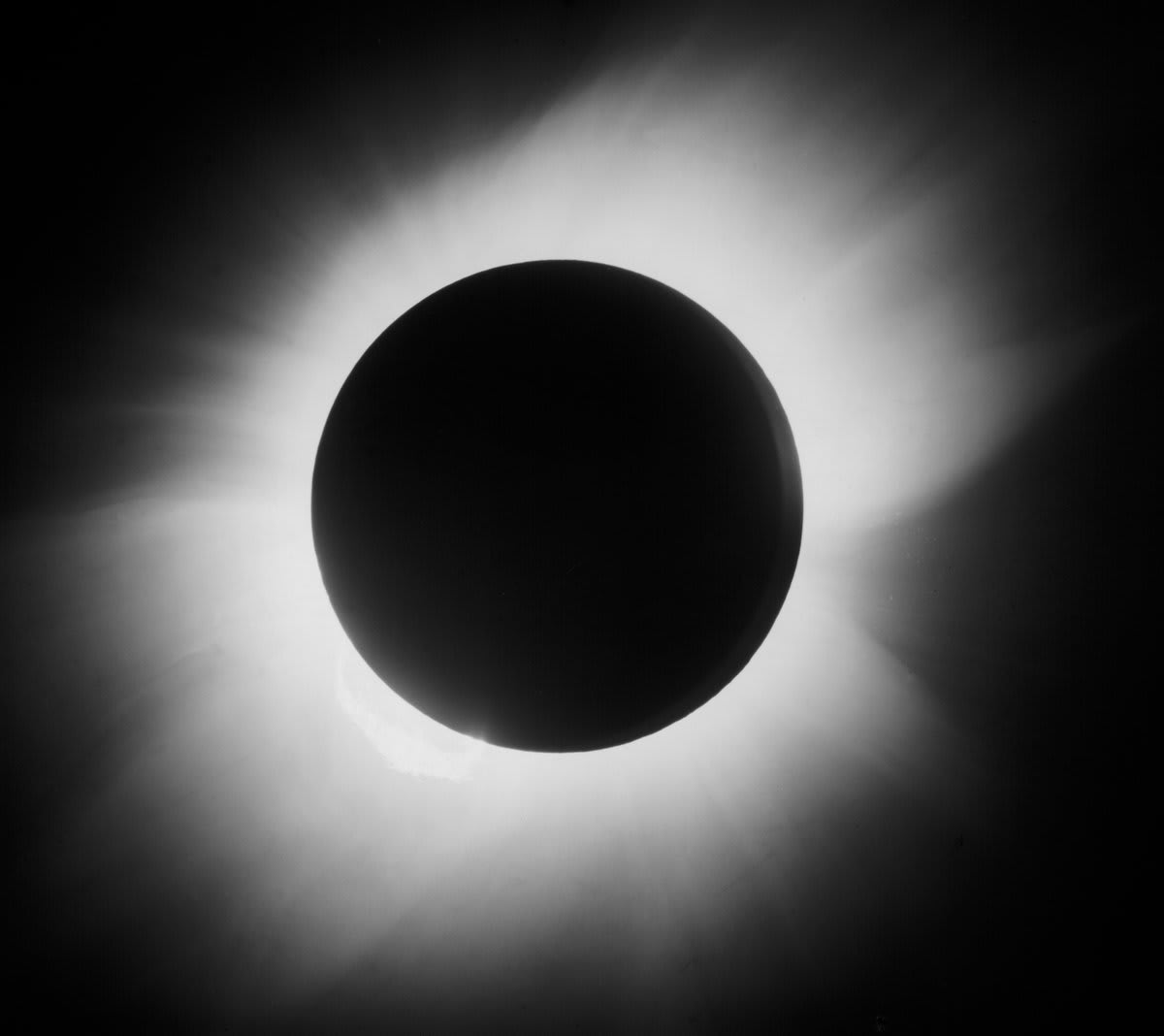
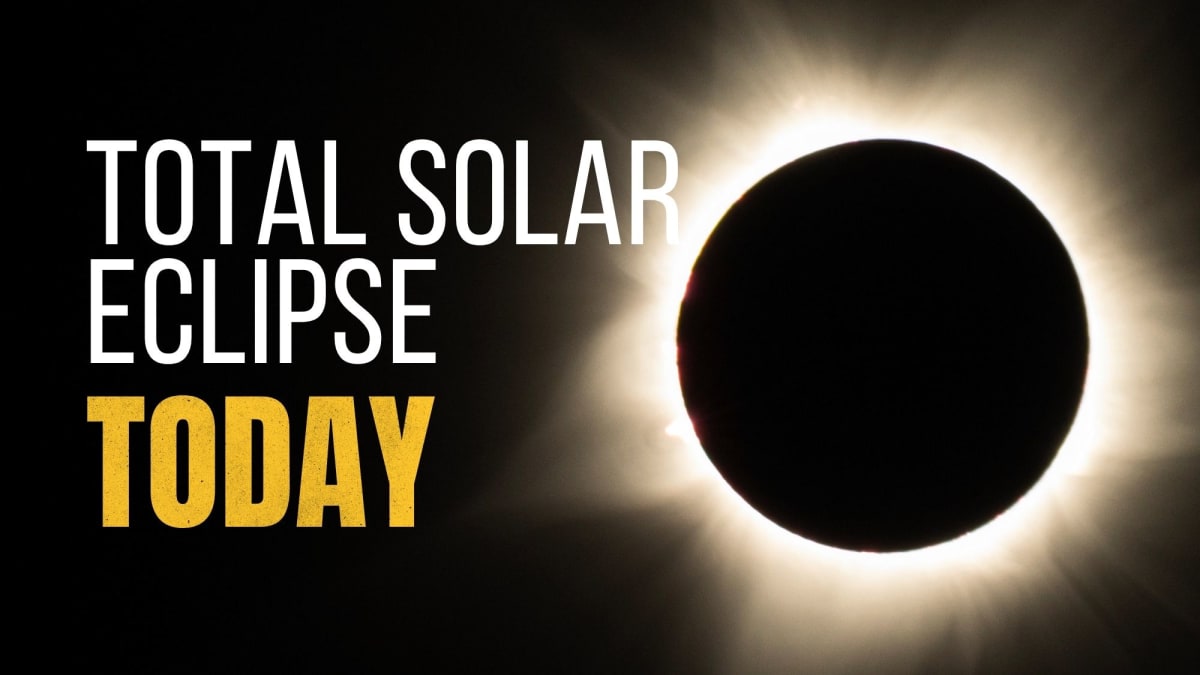
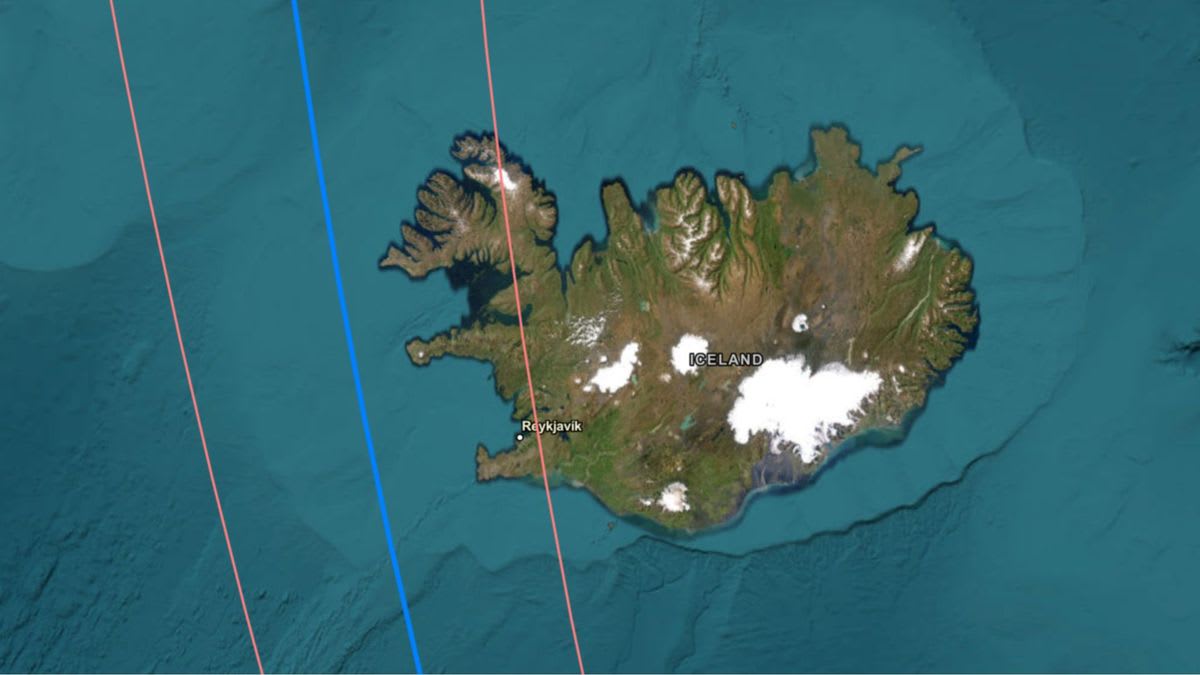
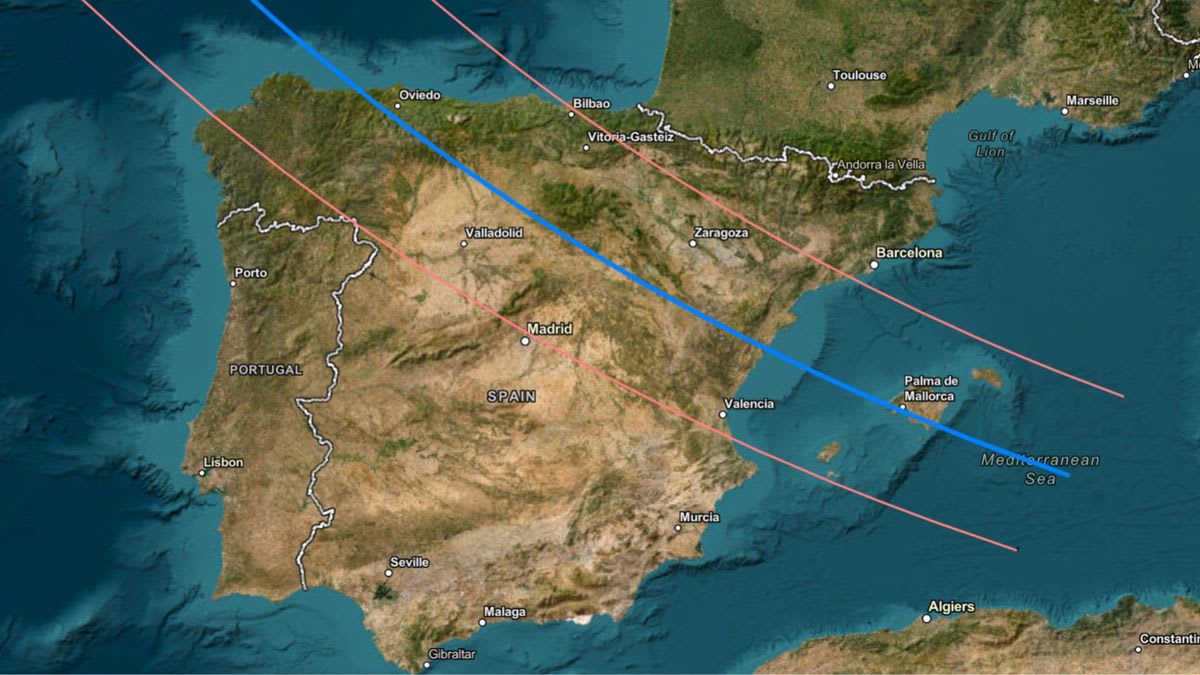
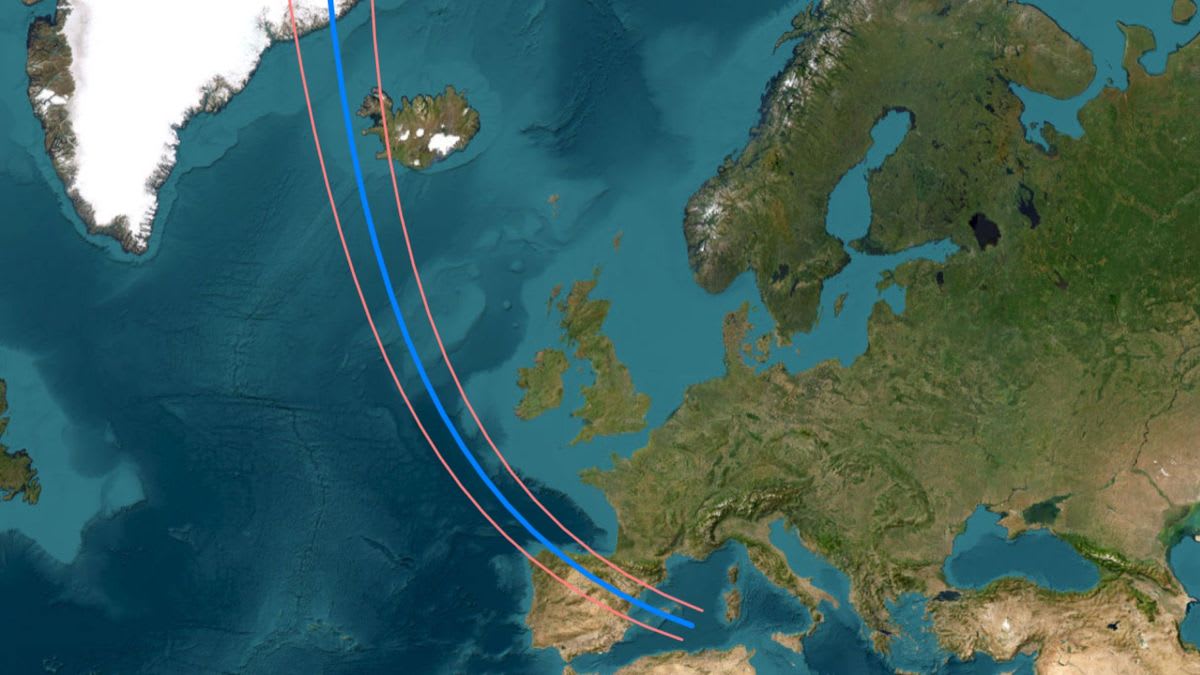
Today, the moon's shadow swept across Greenland, Iceland, and Spain, bringing Europe its first total solar eclipse in 25 years. For just over two minutes, day turned to night as millions gathered to witness the rare cosmic event.
Today, millions of people across three countries watched day turn into night as the moon completely blocked the sun during a total solar eclipse. It's Europe's first total solar eclipse since 1999, making it a once-in-a-generation moment for the continent.
The moon's shadow raced across Greenland, Iceland, and Spain over 96 minutes, creating 2 minutes and 18 seconds of complete darkness at its peak. In Spain, viewers got an extra special treat: a sunset eclipse low on the horizon, painting the sky in dramatic colors.
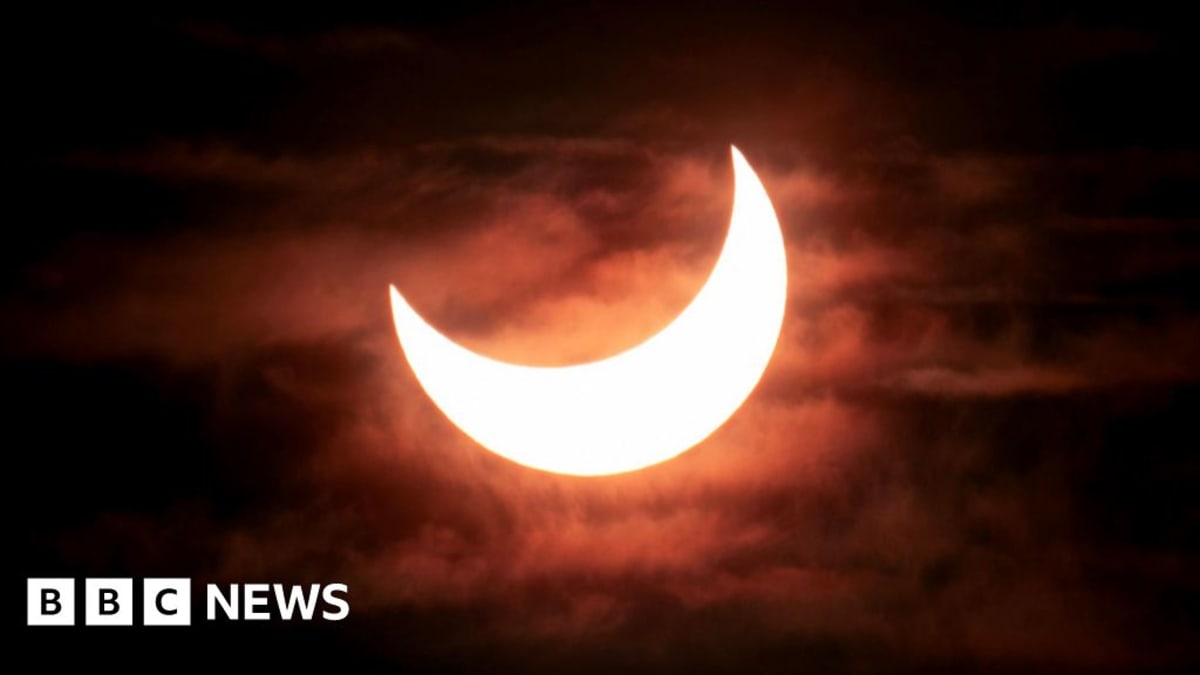
Even outside the path of totality, the show didn't disappoint. Major cities like London, Paris, and Dublin saw more than 90% of the sun covered, giving millions more a chance to watch the moon take a bite out of our nearest star.
Scientists and citizen researchers joined forces across the path of totality, gathering data and sharing real-time observations. Space.com reporters embedded with teams in Greenland and northern Spain, bringing live updates to people around the world who couldn't make the journey.
Safety came first as viewing parties equipped themselves with proper solar eclipse glasses. Only during the brief moment of totality, when the moon completely covered the sun, could viewers safely look up without protection.
The Ripple Effect
Events like this remind us that we're all sharing the same sky. From the icy shores of Greenland to the beaches of Spain, people paused their daily routines to look up together, united by wonder at the universe we inhabit.
The eclipse also sparked renewed interest in astronomy across Europe, with observatories reporting surges in public inquiries and education programs. Schools incorporated the eclipse into science lessons, inspiring the next generation of space enthusiasts.
The next total solar eclipse visible from Europe won't occur until 2026, when Spain gets another chance. But today's event proved that patience pays off. After 25 years, Europe showed up ready to celebrate, weather and all.
Sometimes the best moments come from simply looking up at the right time.
More Images
Based on reporting by Space.com
This story was written by BrightWire based on verified news reports.
Spread the positivity!
Share this good news with someone who needs it
%2Fhttps%3A%2F%2Ftf-cmsv2-smithsonianmag-media.s3.amazonaws.com%2Ffiler_public%2F48%2F84%2F4884a7a4-01f3-4618-9003-3e6d7673e627%2Fjan_brueghel_i__peter_paul_rubens_-_sight_museo_del_prado.jpg)