Mill's AI Bins Help Restaurants Cut Food Waste in Half
A startup is turning restaurant food waste into chicken feed while using AI to help kitchens waste less. The solution tackles both emissions and costs for businesses with razor-thin margins.
Every year, restaurants and grocery stores throw away 18 million tons of food in the U.S. alone. Now a Silicon Valley startup has created smart bins that could help cut that number dramatically while saving businesses money.
Mill, founded by the co-creator of the Nest thermostat, spent hundreds of hours studying what happens in restaurant kitchens after the meals are served. What they found was a massive opportunity hidden in the trash cans.
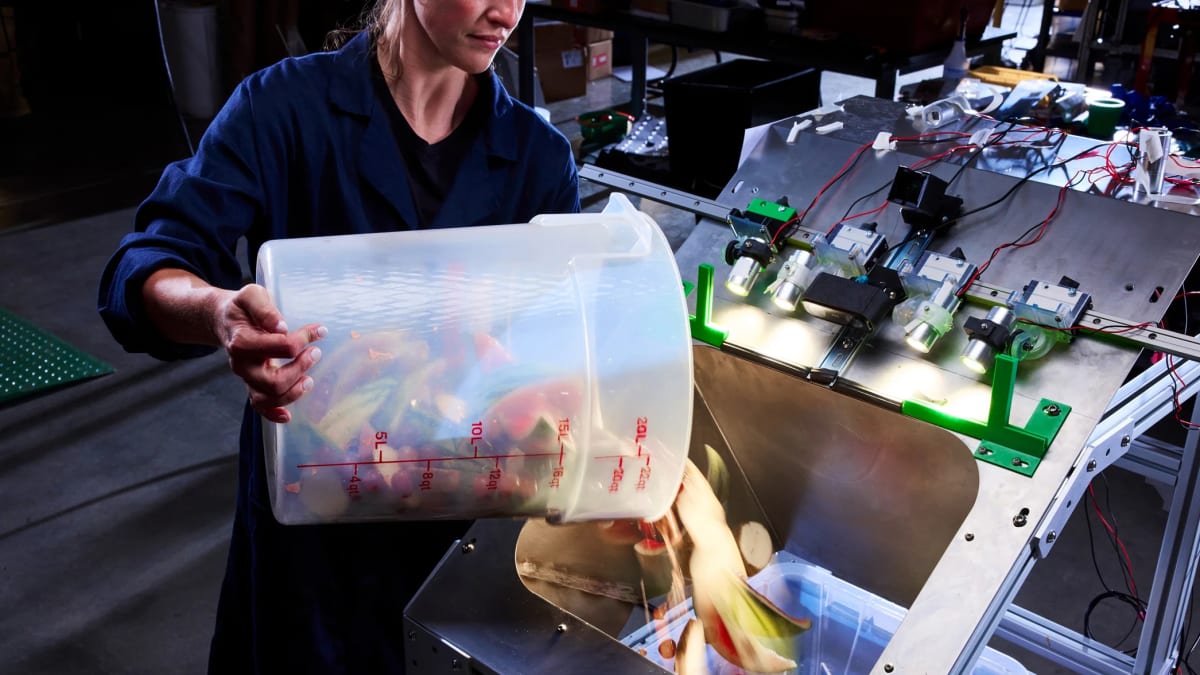
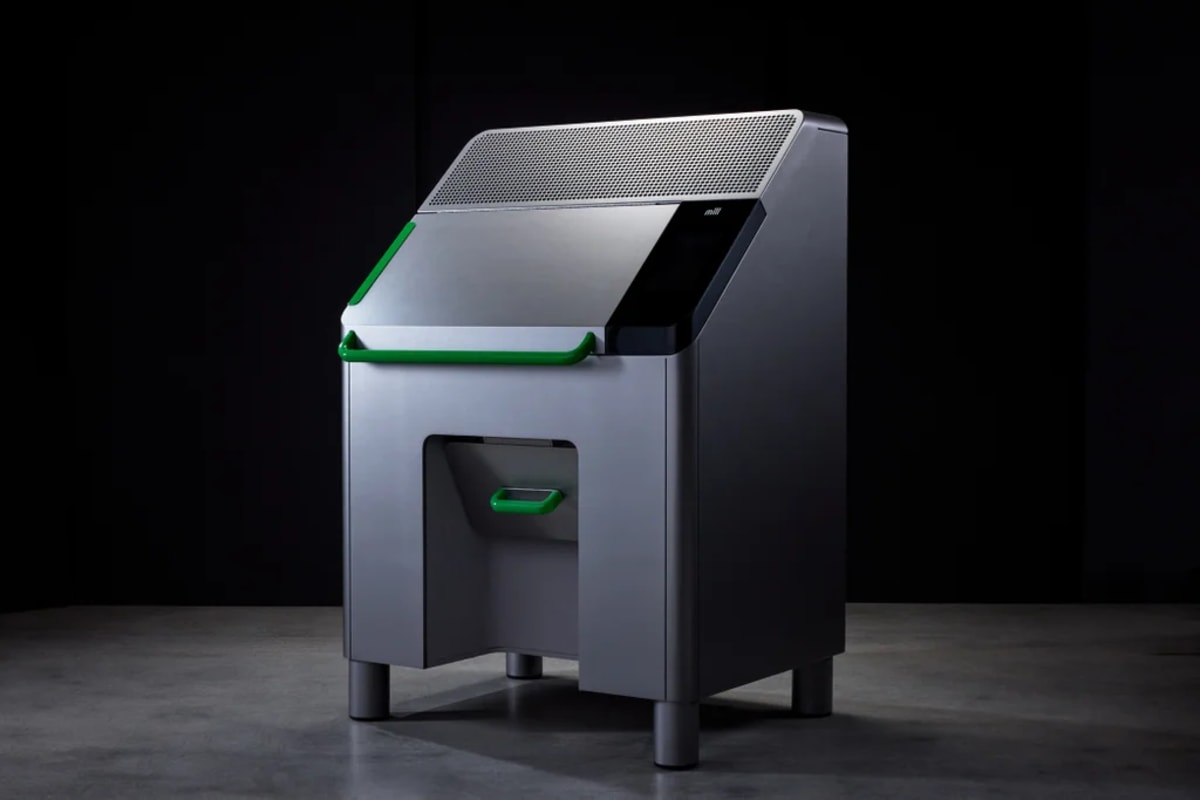
The company's new commercial bins do something surprisingly simple. They dehydrate food scraps, shrinking them by 80% into a lightweight material that looks like coffee grounds and smells like spices. That processed waste then gets delivered to farms for use as chicken feed or compost.
But here's where it gets clever. The bins also use artificial intelligence to track exactly what's being thrown out. Tossing too many chicken breasts? The system notices and alerts managers so they can adjust orders and prep amounts.
Whole Foods jumped on board in 2024, attracted by the practicality of the solution. The grocery chain wants to cut its food waste in half by 2030, and Mill's approach makes the goal feel achievable.
The bins solve a problem that's been plaguing restaurants for decades. Food waste costs businesses serious money, especially when profit margins are already tight. Plus, all that wasted food creates greenhouse gas emissions when it rots in landfills.
Mill's CEO Matt Rogers says reducing food waste is one of the rare climate solutions that's actually straightforward. Unlike fusion energy or space travel, this doesn't require reinventing physics. It just requires better systems for managing something we're already doing anyway.
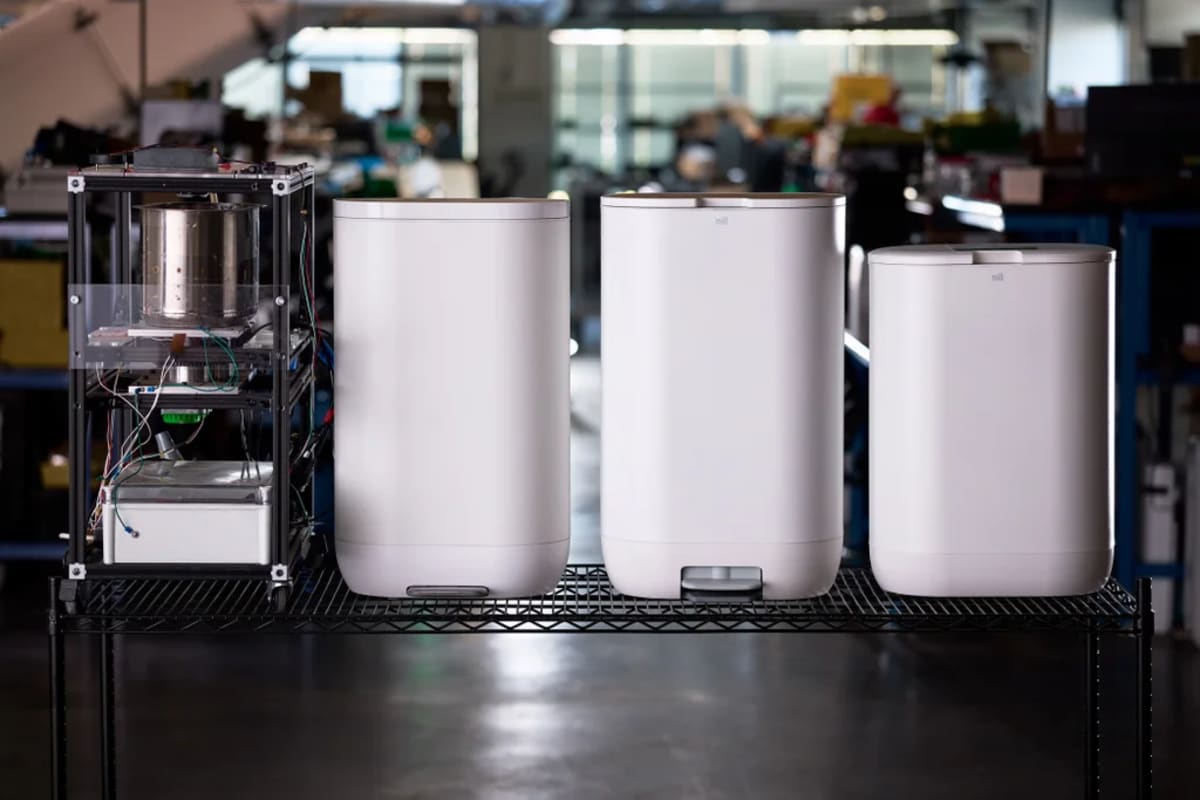
The technology builds on Mill's home kitchen version, which has helped the company raise over $232 million since 2020. But the commercial product tackles waste at a much bigger scale, where a quarter of all U.S. food waste originates.
The Ripple Effect
When restaurants waste less food, the benefits cascade outward. Farms get a steady supply of feed material for chickens. Businesses save money they can invest back into better ingredients or fair wages. Landfills receive less waste, reducing methane emissions that warm the planet.
And perhaps most importantly, the system shows other industries that climate solutions don't have to be complicated or expensive. Sometimes the biggest impact comes from redesigning the everyday systems we've stopped questioning.
Mill's approach proves that fighting climate change can actually improve the bottom line instead of hurting it.
More Images

Based on reporting by Fast Company - Innovation
This story was written by BrightWire based on verified news reports.
Spread the positivity!
Share this good news with someone who needs it