Mindfulness Professor Finds Simple Pause Changes Decisions
A meditation teacher discovered that 20 years of practice wasn't reaching her everyday choices until she learned one key technique. Her research shows brief moments of awareness can rewire how we think and decide.
For two decades, a mindfulness professor meditated for thousands of hours, taught conscious consumer behavior, and served her community. Yet she kept ordering from Amazon despite knowing it conflicted with her values.
The disconnect wasn't about willpower or awareness. It was about something she'd never examined: whether her meditation practice actually reached the moment before she clicked "buy."
Dr. Sarah Rudell Beach teaches mindful marketing and holds an MBSR certification. She finally paused long enough to question her assumption that Amazon had no real alternatives. Within minutes, she found Thrive Market and a local food cooperative that had been there all along, some with better prices.
That pause changed everything. Not because she became more mindful, but because she brought mindfulness to the exact moment a decision formed.
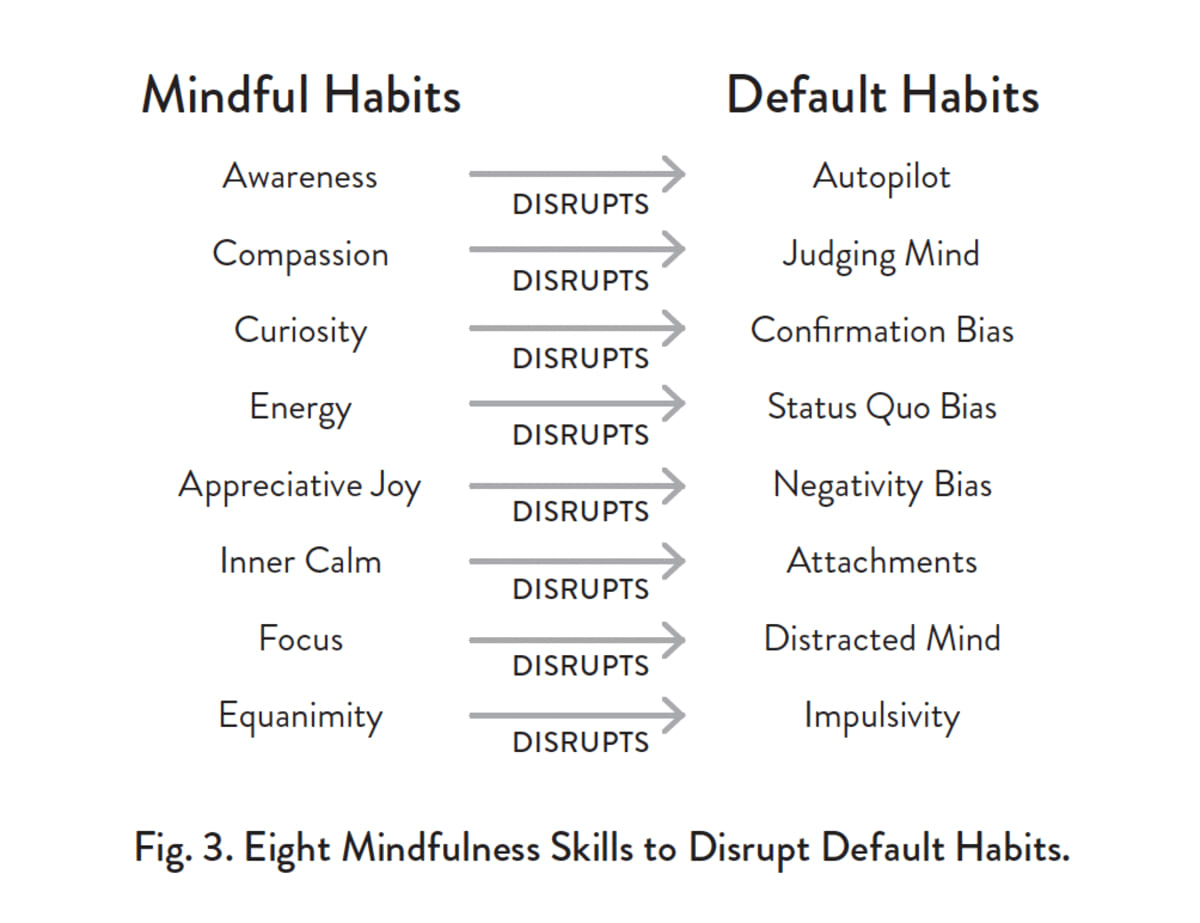
New research backs up what she discovered personally. Scientists Maymin and Langer tested 22 common thinking errors like confirmation bias and loss aversion. Participants who received just a brief instruction to notice what's new and unfamiliar showed significantly less bias on 19 of the 22 tests.
They didn't meditate for years. They simply shifted into active noticing for a few moments.
Beach calls these shifts "micro-practices." They're different from traditional meditation because they happen right when you're making choices, not on a cushion an hour earlier. Her research reveals we don't have one unified self making decisions. We have multiple selves that show up in different contexts, each running on autopilot.
Your morning self might meditate beautifully. Your consumer self still shops on habit. The key is bridging that gap with brief moments of curiosity, compassion, and calm right before deciding.
The Ripple Effect
The implications go far beyond shopping. A 2025 study in Communications Psychology found that simply repeating a choice in a context makes us biased toward that choice again, regardless of whether it serves us. Our brains groove pathways that keep us locked in patterns.
But when we pause with genuine curiosity before deciding, we interrupt those automatic loops. We create space for choices that actually align with what we care about. Beach emphasizes this isn't about judgment or perfection. It's about asking one question: does this choice reflect my values?
The research suggests we don't need decades of meditation to start shifting our decisions, though longer practice builds crucial capacity. What we need is to bring that quality of attention to the micro-moments that shape our days.
Twenty years of meditation gave Beach the foundation. One intentional pause before clicking changed her consumer life and sparked research that could help millions close the gap between their values and their choices.
More Images


Based on reporting by Mindful
This story was written by BrightWire based on verified news reports.
Spread the positivity!
Share this good news with someone who needs it