Minnesota Farmers Get Local Green Fertilizer Plant
A wind-powered facility in western Minnesota is producing ammonia fertilizer on-site, helping farmers cut costs and reduce dependence on fragile global supply chains. The breakthrough could save the state's farmers up to $1 billion annually.
Minnesota farmers who've watched fertilizer prices swing wildly by over 300% now have a reason to hope for more stable costs right in their own backyard.
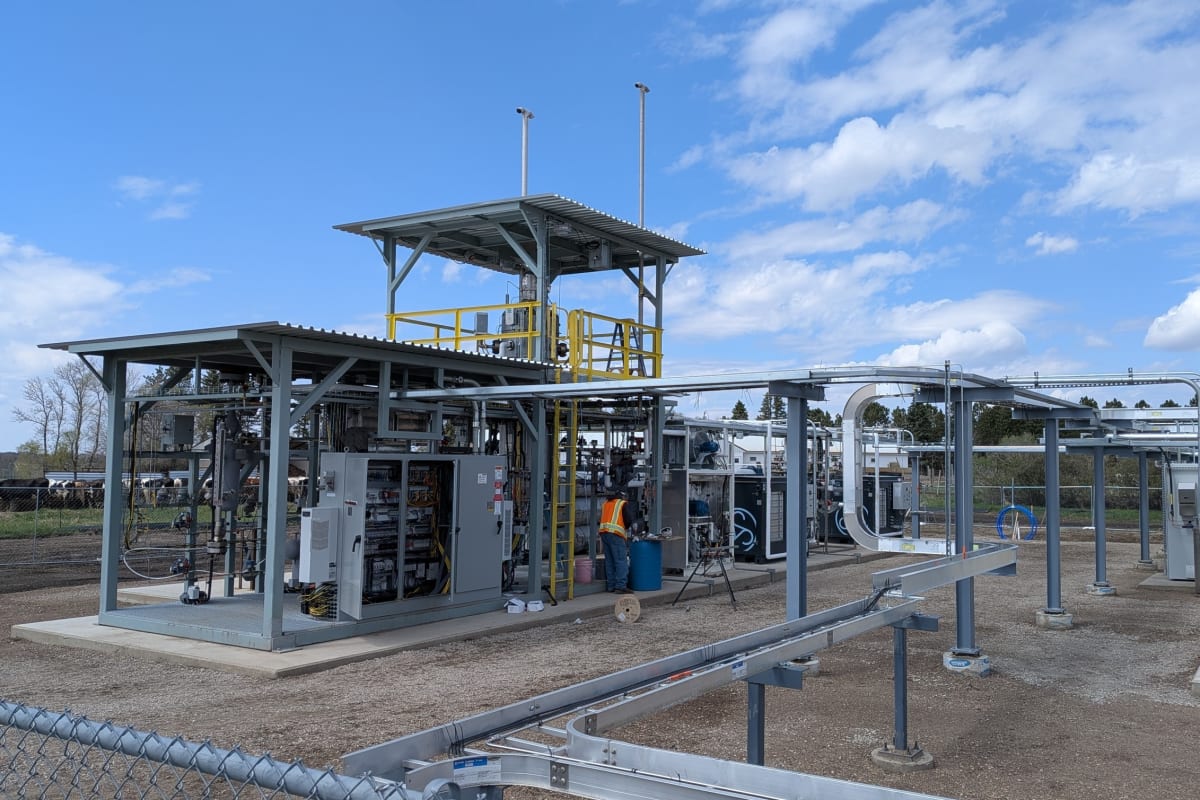
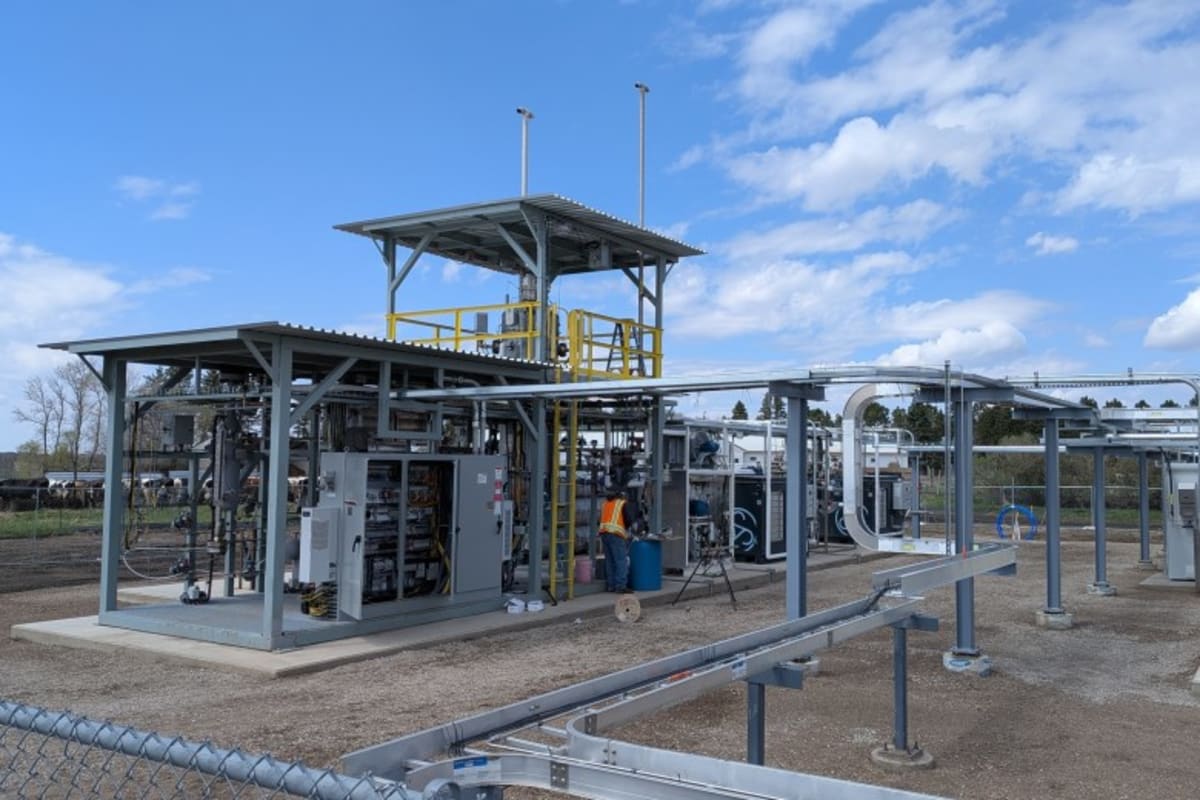
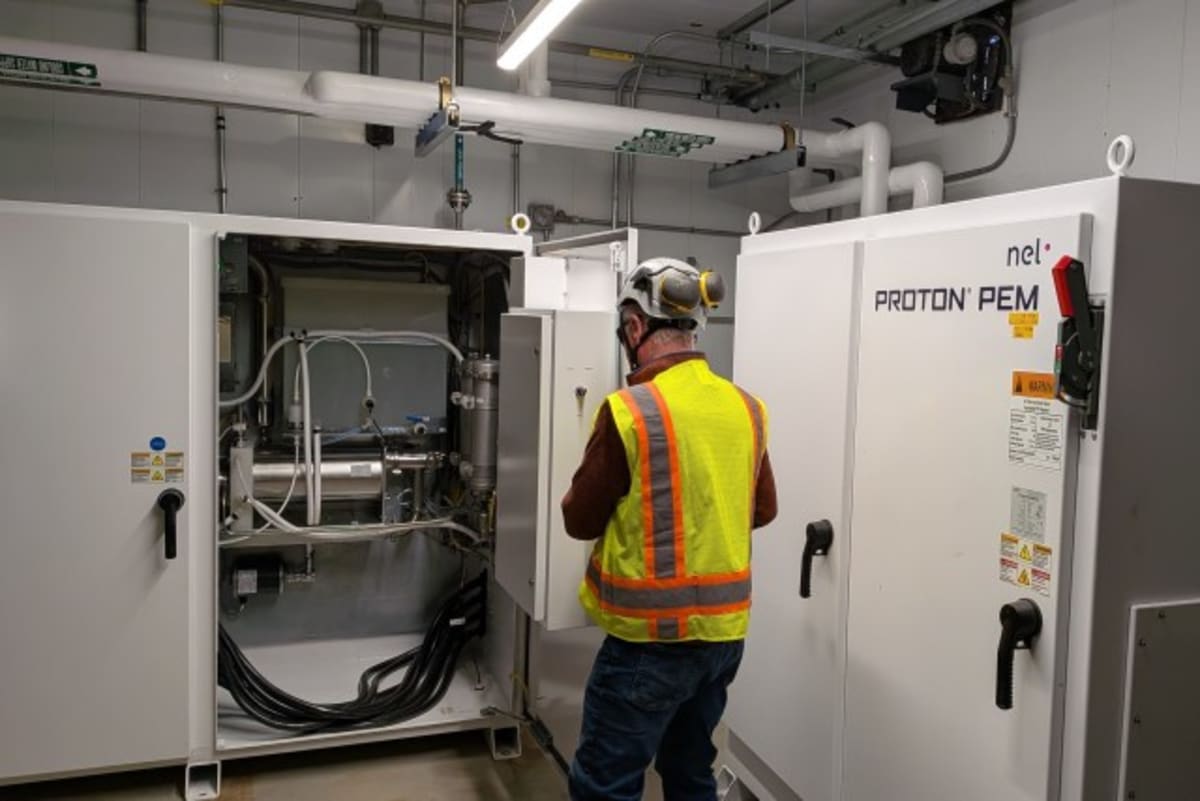
The University of Minnesota just opened a facility near Morris that uses wind power to make ammonia fertilizer locally. When the wind blows across the plains, turbines power machines that pull hydrogen from water and nitrogen from air, then bind them together into the same fertilizer farmers spread on their cornfields.
The plant can produce hundreds of kilograms daily now, with plans to scale up to one metric ton per day. That might sound small compared to the 900,000 tons Minnesota imports each year, but it proves the technology works at a price farmers can afford.
Minnesota farmers currently send at least $500 million out of state every year for fertilizer, money that flows to massive production plants on the Gulf Coast. When global crises hit, like the recent conflict that closed the Strait of Hormuz to cargo ships, prices spike even higher and can top $1 billion in costs.
The Morris facility uses only sun, air, and water to make fertilizer. No natural gas, no complex global supply chains, no price shocks when international shipping routes close.
Michael Reese, who leads green ammonia research at the center, sees a future where similar facilities dot the Minnesota countryside. The technology can work anywhere with adequate power, whether that's farm country or remote industrial sites.
The Ripple Effect
The impact is already spreading beyond Morris. In March, a southern Minnesota farming cooperative announced plans for a larger facility in Blue Earth County that could produce 12,000 tons annually within a few years. That would cover most of what their member farmers need.
The company behind that technology, Texas-based Talusag, says local production can cut ammonia costs by up to 50% compared to imported fertilizer. Farmers get stable prices, and the ammonia can also supply raw material for transportation fuels and industrial processes that need hydrogen.
Sameer Parvathikar from RTI International, which helped develop the Morris system, called it an important milestone in building a cost-competitive industry from scratch. The April celebration drew University of Minnesota leaders and developers exploring commercial applications across the Corn Belt.
For farmers tired of watching profits disappear into fertilizer bills that swing wildly with global events, homegrown ammonia offers something precious: control over their own costs and independence from distant supply chains that can break at any moment.
More Images
Based on reporting by Google News - Wind Energy
This story was written by BrightWire based on verified news reports.
Spread the positivity!
Share this good news with someone who needs it