Minnesota Schools Add 148 Electric Buses for Cleaner Rides
Rural Minnesota school districts are leading a clean energy revolution with electric buses that cost less to run and keep kids healthier. What started with one district in 2017 has grown to 148 buses serving students across the state.
Students at Red Lake Elementary noticed something different about their morning commute last fall. The bus drop-off area got quieter, the air got cleaner, and the shiny new electric buses stayed free of doodles and graffiti.
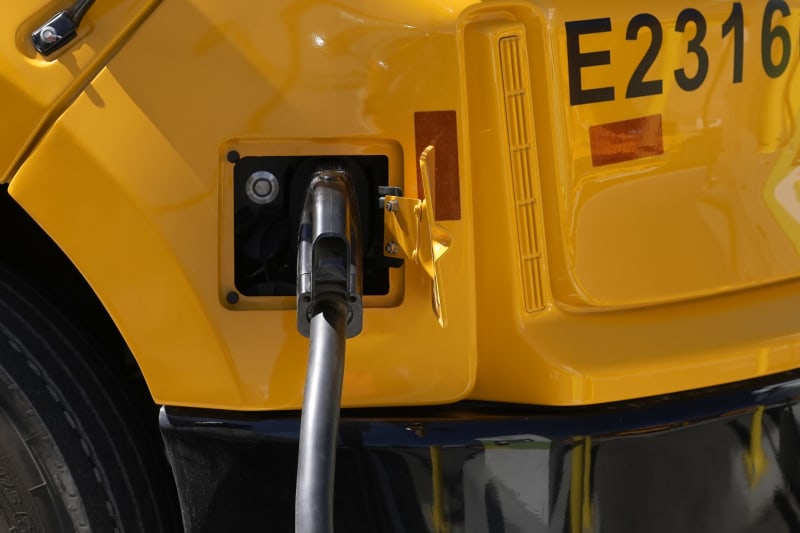
Red Lake Public School District in northern Minnesota now runs two electric school buses on its sprawling reservation routes. Three more arrive this year, meaning electrons will power over 20% of the fleet in an area where electric cars are still rare.
The switch is happening thanks to federal and state grants that cover up to 80% of the buses' $300,000 sticker prices. Districts across Minnesota have ordered or received 148 electric buses total, with 19 already on the road carrying about 700 students daily.
Business manager Willie Larson says students treat the electric buses with unusual respect. The district tied the new technology to tribal values of protecting lakes and woodlands, and kids responded by taking better care of the vehicles.
The buses make financial sense too. Moorhead Area Public Schools transportation director Sean Schneider calculated that fuel costs drop by half to two thirds compared to diesel. An Environmental Defense Fund study found electric buses cost 40% less to own and operate over 12 years thanks to fewer repairs and lower maintenance.
Cold weather does cut battery range by about 30% on the chilliest days. Districts like Moorhead are starting smart, assigning electric buses to shorter 50-mile routes so they complete morning and afternoon runs without charging in between.
The Ripple Effect
More than half the Minnesota districts adding electric buses serve rural communities like Ogilvie, Laporte, and Vermilion County. These aren't wealthy urban districts chasing green trends. They're practical school leaders who ran the numbers and saw cleaner air for kids plus long-term savings.
The growth from one bus in 2017 to 148 committed buses today shows how quickly smart solutions spread when they work. State funding comes partly from Volkswagen's emissions scandal settlement, turning corporate wrongdoing into cleaner rides for thousands of Minnesota students.
Superintendent Tim Lutz reports curious questions from other rural district leaders who once seemed skeptical. Larson's answer is simple: with heavy state subsidies available right now, electric buses aren't much different from diesel buses except they're cheaper and healthier.
At least 21 Minnesota districts will run electric buses by the 2026-2027 school year, proving that rural communities can lead on clean technology when it makes practical sense.
More Images
Based on reporting by Google News - Electric Vehicle
This story was written by BrightWire based on verified news reports.
Spread the positivity!
Share this good news with someone who needs it