Missouri Farmers Double Grazing With GPS Cattle Collars
Farmers are trading barbed wire for smartphones with GPS collars that herd cattle virtually, ending backbreaking fence moves and giving ranchers their first vacations in years. One Missouri farmer doubled his land productivity while checking on birthing cows from his phone.
For the first time in five years, a Missouri farmer took a vacation because GPS technology could watch her goats better than she could.
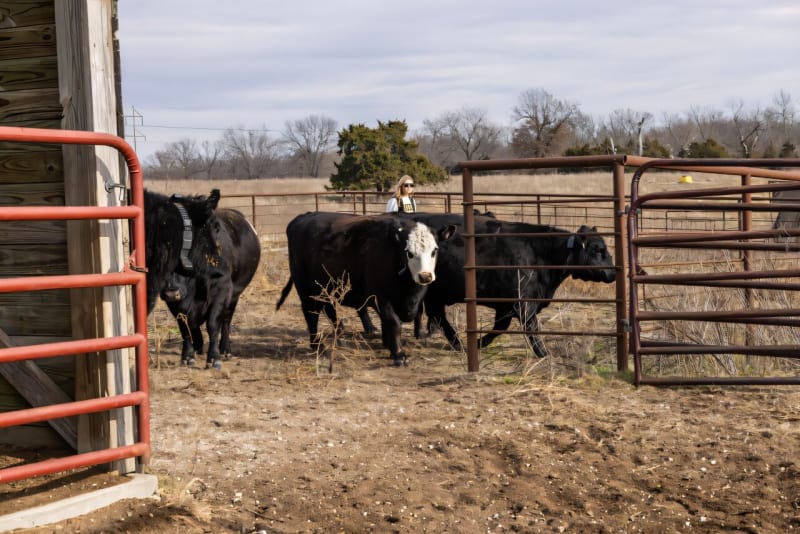
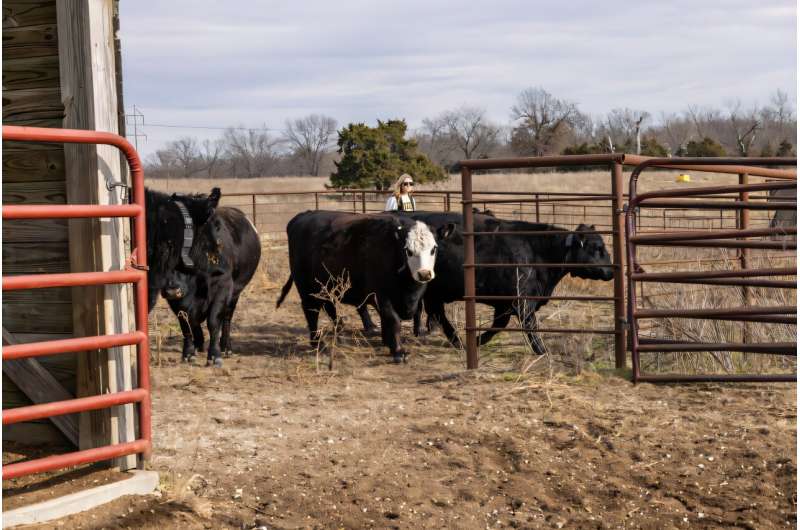
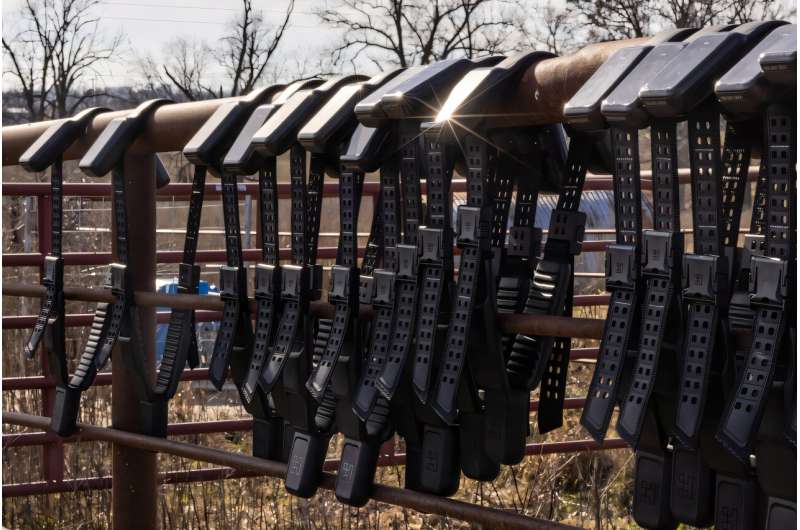
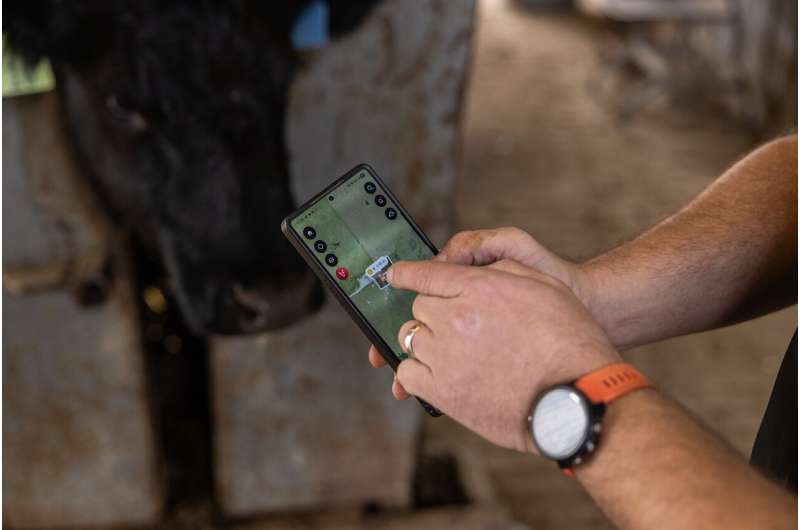
Virtual fencing is replacing the grueling routine of moving physical fences multiple times daily in scorching heat and freezing rain. Five Missouri livestock producers are testing GPS-enabled collars that guide cattle, sheep, and goats using gentle audio cues and mild corrections, controlled entirely through a smartphone app.
The University of Missouri's Center for Regenerative Agriculture launched the three-year project last summer, targeting farmers who graze animals on cover crops. These protective plants grow between cash crop seasons, and efficiently grazing them has always required constant fence adjustments.
Chris Hudson from Middletown, Missouri, collared 50 of his cattle and watched his results soar. His grazing days per acre jumped from 90 to 170, nearly doubling the value of the same land since cattle finished one field completely before moving to the next.
The technology solved problems Hudson didn't even know his phone could handle. When the app showed a pregnant cow wandering off alone, he knew she was giving birth and called his dad to check on the newborn without leaving his current task.
Kaitlyn Dozler manages the Virtual Fence Program and hears similar stories from all five participating producers. One shared how she now checks her phone at her child's soccer game when someone calls about escaped cattle, instantly confirming her animals are safely contained without rushing home.
The Ripple Effect
The Missouri farmers are spreading their experiences at events like the 2026 Cattle Industry Convention and Trade Show. Farmers trust other farmers, and these early adopters are smoothing the path for neighbors to adopt the technology on their own operations.
The collars aren't meant to replace perimeter fences but excel as interior boundaries for rotational grazing. This approach keeps pastures healthier by preventing overgrazing while giving farmers unprecedented flexibility in managing their herds.
The project represents exactly what a land-grant university should deliver: innovative technology moving from research labs directly into the hands of the people who need it most.
Fewer hours wrestling fence posts means more time at dinner tables, ball games, and long-overdue vacations.
More Images
Based on reporting by Phys.org
This story was written by BrightWire based on verified news reports.
Spread the positivity!
Share this good news with someone who needs it