Missouri Seeks Birdwatchers to Track 3 Billion Bird Loss
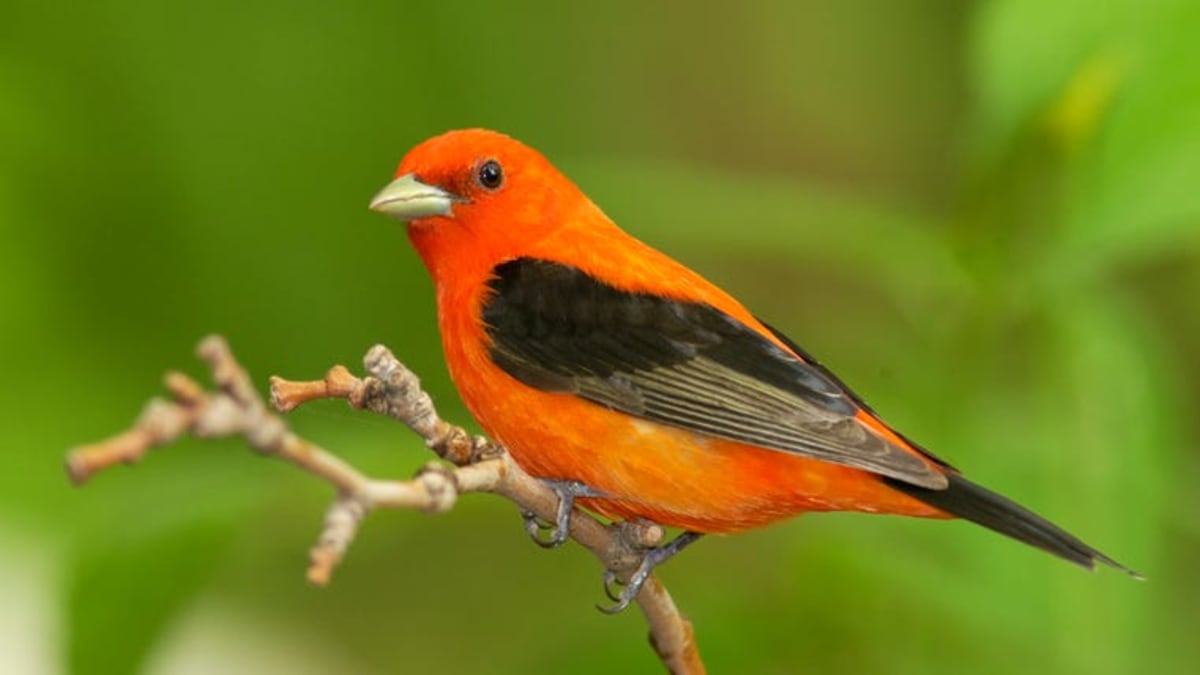
Missouri needs skilled birdwatchers to help track declining bird populations across five survey routes this summer. The volunteer effort is part of a 60-year conservation program that revealed North America has lost nearly 3 billion birds since 1970.
Nearly 3 billion birds have vanished from North America since 1970, but volunteers across Missouri are helping scientists fight back with binoculars and keen ears.
The Missouri Department of Conservation is recruiting birdwatchers with strong identification skills to count birds along five routes in Maries, Clay, Nodaway, Platte, and Lafayette counties. The surveys run from May 27 through July 7 as part of the North American Breeding Bird Survey, a conservation program that's been tracking bird populations since 1966.
Each volunteer will cover a 24.5-mile route, stopping every half mile to count birds they see or hear within a quarter-mile radius. The three-minute counts happen at 50 stops per route and must start half an hour before sunrise, taking about five hours total.
The work requires more than just spotting cardinals and blue jays. Volunteers need to identify birds by their songs, since most birds counted are singing males marking their territory during breeding season.
Janet Haslerig, an avian ecologist with the Missouri Department of Conservation, says the data helps scientists understand serious threats to bird populations. Habitat loss, land fragmentation, and chemical contaminants are pushing many species toward decline.
The survey's long-term data was crucial in discovering the staggering loss of 3 billion birds over five decades. That's nearly one in four birds that filled North American skies in 1970.
New volunteers must complete online training before their counts can contribute to the official data. Haslerig hopes participants will stick with their assigned routes for multiple years, which keeps data collection consistent and helps surveyors become familiar with local bird populations.
The Ripple Effect: This citizen science program shows how everyday people can contribute to global conservation efforts. The data collected by volunteers along Missouri's rural roads feeds into international research that shapes wildlife protection policies and helps scientists identify which species need urgent help. Every bird counted by a Missouri volunteer becomes part of a massive dataset spanning 60 years and two countries.
Haslerig says returning to the same route year after year isn't just good for science. "Volunteers also get familiar with the routes and have better ideas about what birds they will encounter. And it's fun!"
Interested volunteers can contact Haslerig at Janet.Haslerig@mdc.mo.gov or visit the program website for more information about available routes and training requirements.
Based on reporting by Google: volunteers help
This story was written by BrightWire based on verified news reports.
Spread the positivity!
Share this good news with someone who needs it