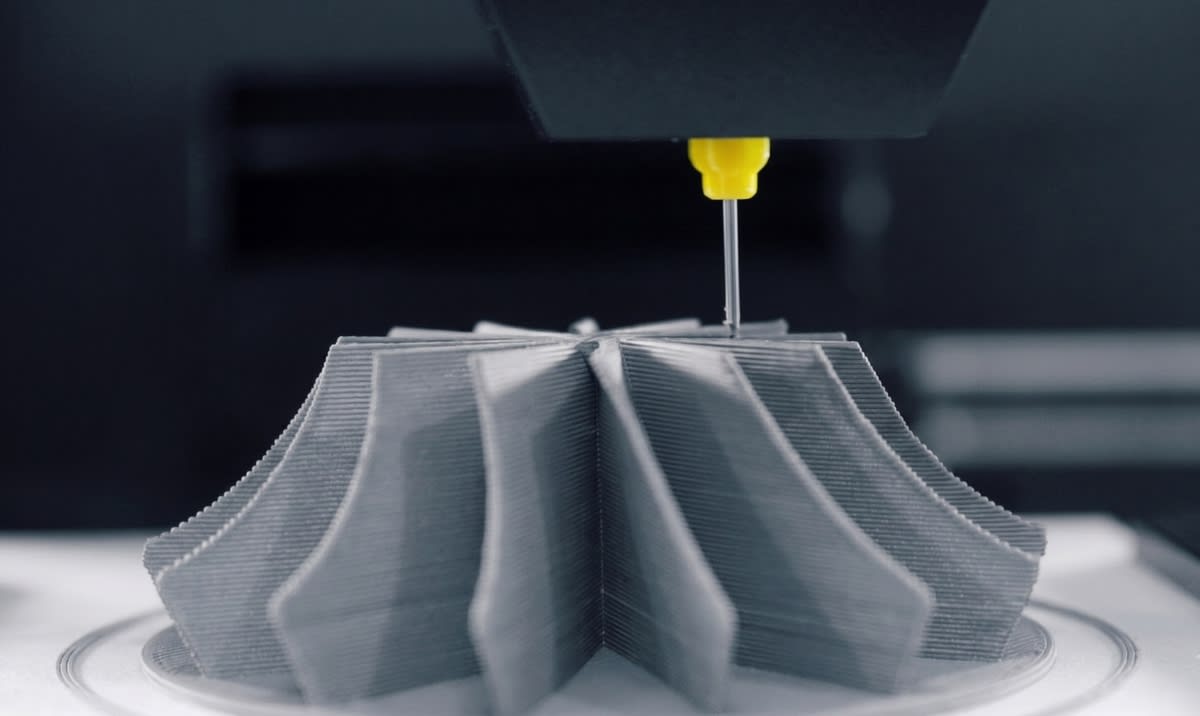
MIT 3D-Prints Working Motor in Hours Using Five Materials
Engineers can now print a fully functional electric motor in about three hours for 50 cents, potentially ending costly factory delays from broken parts. MIT researchers developed a breakthrough platform that prints complex machines using multiple materials in one step.
A broken motor can shut down an entire factory floor, costing thousands in delays while waiting for replacement parts to arrive from distant suppliers.
MIT researchers just solved that problem with a 3D-printing platform that can produce a working electric motor in about three hours. The device performs as well as traditionally manufactured motors but costs only 50 cents in materials and requires just one simple step after printing to become fully functional.
The breakthrough addresses a major challenge in 3D printing: working with multiple specialized materials at once. Electric machines need conductive materials to carry current, magnetic materials to generate fields, and insulating materials to prevent short circuits. Most 3D printers can only handle two materials at a time, and they must be in the same form.
The MIT team retrofitted a printer with four different extruders, each designed to handle a unique type of material. One squeezes out conductive ink using pressure, while others process filaments and pellets at carefully controlled temperatures. Custom sensors and software ensure each layer aligns perfectly, since even tiny misalignments can ruin the device's performance.
The researchers demonstrated their system by printing a linear motor, the type used in robotics, baggage conveyers, and optical systems. They used five different materials that work together to convert electrical energy into motion. The only post-printing step required was magnetizing the magnetic components.
The Ripple Effect
This technology could fundamentally change manufacturing by letting factories produce custom parts on demand instead of relying on global supply chains. Companies could design and print specialized components for robots, vehicles, or medical equipment in hours rather than weeks.
The environmental impact matters too. Traditional manufacturing involves multiple specialized facilities, extensive shipping, and significant material waste. Printing machines on site in a single step eliminates much of that footprint.
Luis Fernando Velásquez-García, the senior researcher, sees this as just the beginning of democratizing complex manufacturing. Right now, producing electric machines requires specialized equipment and processes available only at a few manufacturing centers.
The platform could be especially transformative for smaller companies and research labs that need custom electronic components but can't afford traditional manufacturing setups. A hospital could print replacement parts for medical equipment, or a startup could rapidly prototype new robotic systems.
The team emphasizes they're not just making existing manufacturing slightly faster—they're opening the door to making hardware completely differently. Instead of designing products around what's available from suppliers, engineers could create exactly what they need, when they need it.
The research appears in the journal Virtual and Physical Prototyping, showing that on-demand manufacturing of complex electronics isn't science fiction anymore.
Based on reporting by MIT News
This story was written by BrightWire based on verified news reports.
Spread the positivity!
Share this good news with someone who needs it