MIT Cracks 100-Year Wind Energy Equation, Boosting Power
Engineers at MIT discovered a critical flaw in the century-old math that guides wind turbine design and built a better model that could squeeze more energy from existing wind farms. The breakthrough fixes errors right where turbines need accuracy most.
For over a century, wind energy has been built on broken math, and engineers knew it all along.
The equations that guide wind turbine design date back to the late 1800s, with physicist Albert Betz calculating in 1920 that turbines could capture at most 59.3 percent of wind energy. That "Betz limit" became the gold standard for the entire industry.
But there was a problem. The theory failed precisely where turbines actually operate, breaking down within 10 percent of the peak efficiency zone where farms run every day.
Instead of fixing the foundation, engineers spent decades patching the cracks with corrections based on observations rather than physics. The patches worked well enough to build a global industry, but they were never a real solution.
MIT postdoc Jaime Liew, doctoral student Kirby Heck, and Professor Michael Howland decided to start over. Using detailed computer simulations, they built a new model from scratch, analyzing how air actually flows through rotors without relying on century-old assumptions.
Their unified momentum model does something the original never could. It accounts for misaligned turbines, the constant reality on working wind farms as machines adjust to shifting wind directions.
The team discovered the Betz limit itself was slightly wrong. Turbines can actually extract a few percent more energy than the old rule predicted, meaning a benchmark that guided the industry for over a hundred years was conservative.
Why This Inspires
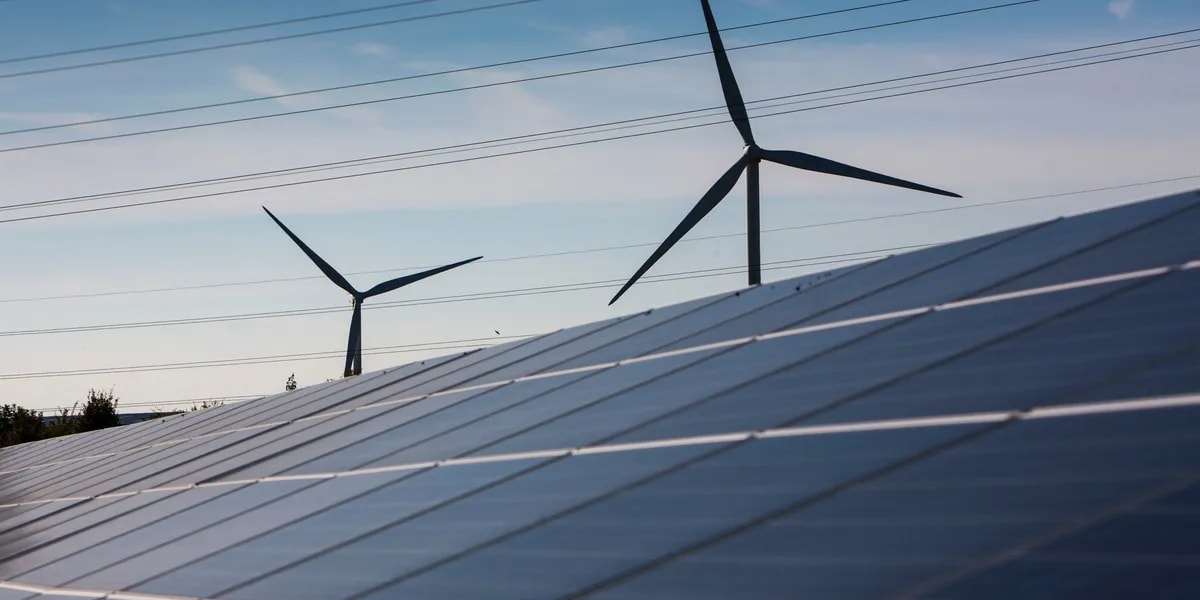
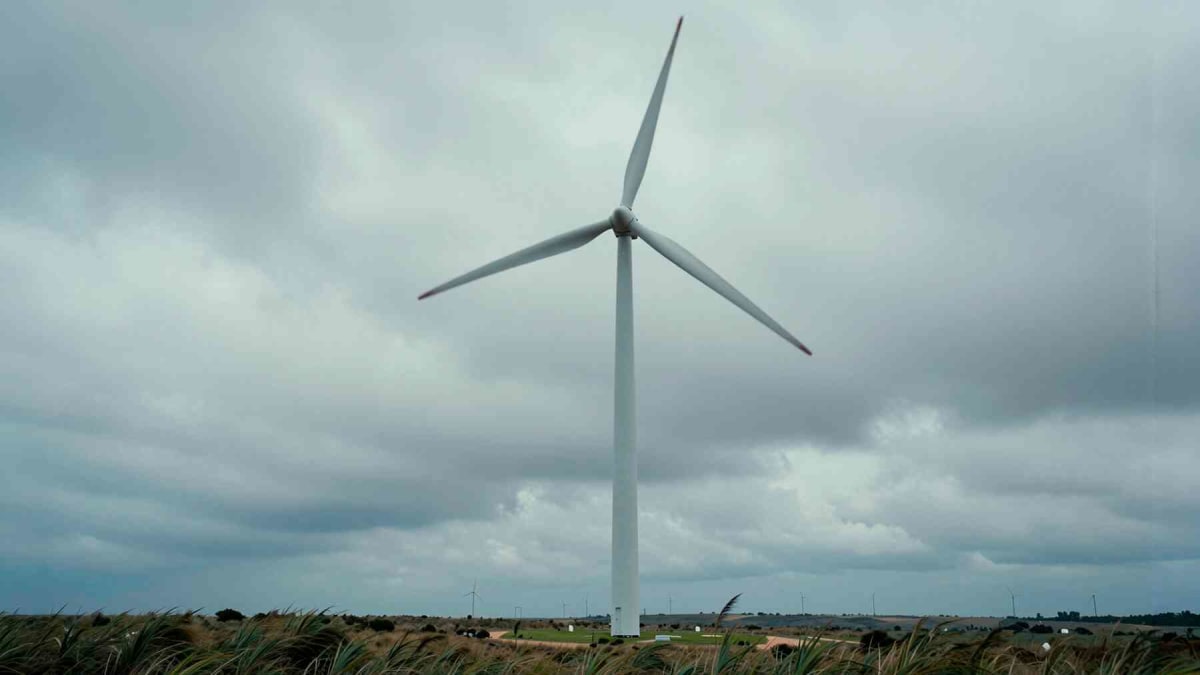
The beauty of this breakthrough is that wind farms don't need new equipment to benefit. The model works with turbines already spinning in fields across the world, turning better math into immediate gains.
It connects to earlier MIT research showing that deliberately angling some turbines away from the wind actually boosts total farm output by reducing interference between machines. Now there's solid physics to explain why that counterintuitive strategy works.
The team released their model as free, open-source software on GitHub so engineers everywhere can integrate it into design and control systems. What started as fixing flawed equations could accelerate how quickly wind capacity grows worldwide.
The same principles apply beyond wind energy too. Aircraft propellers, ship propellers, and underwater turbines that harvest tidal and river energy all follow similar fluid dynamics, meaning the unified model could improve performance across multiple industries.
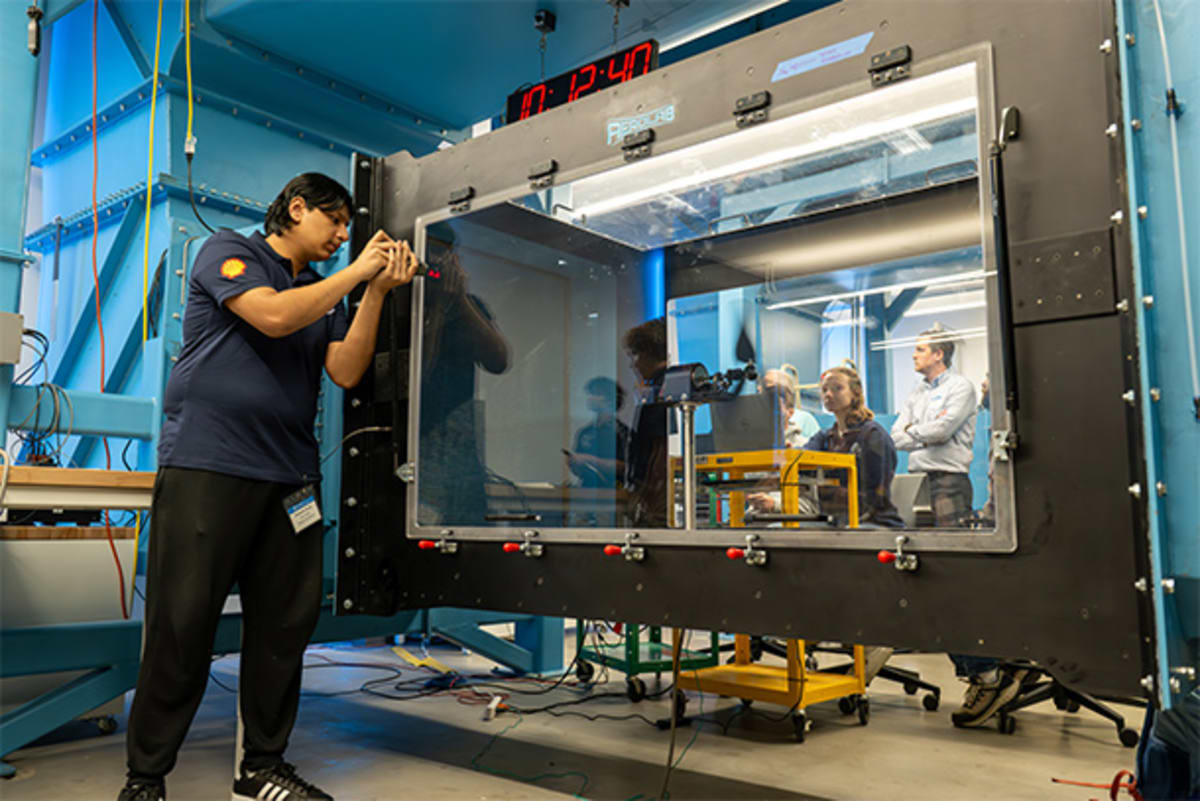
Wind tunnel testing and real-world trials are underway now, with optimized control strategies heading toward actual deployment on operating farms. After a century of patching old equations, clean energy finally has the math it deserves.
More Images



Based on reporting by Google News - Wind Energy
This story was written by BrightWire based on verified news reports.
Spread the positivity!
Share this good news with someone who needs it