MIT Creates Edible Batteries for Medical Capsules
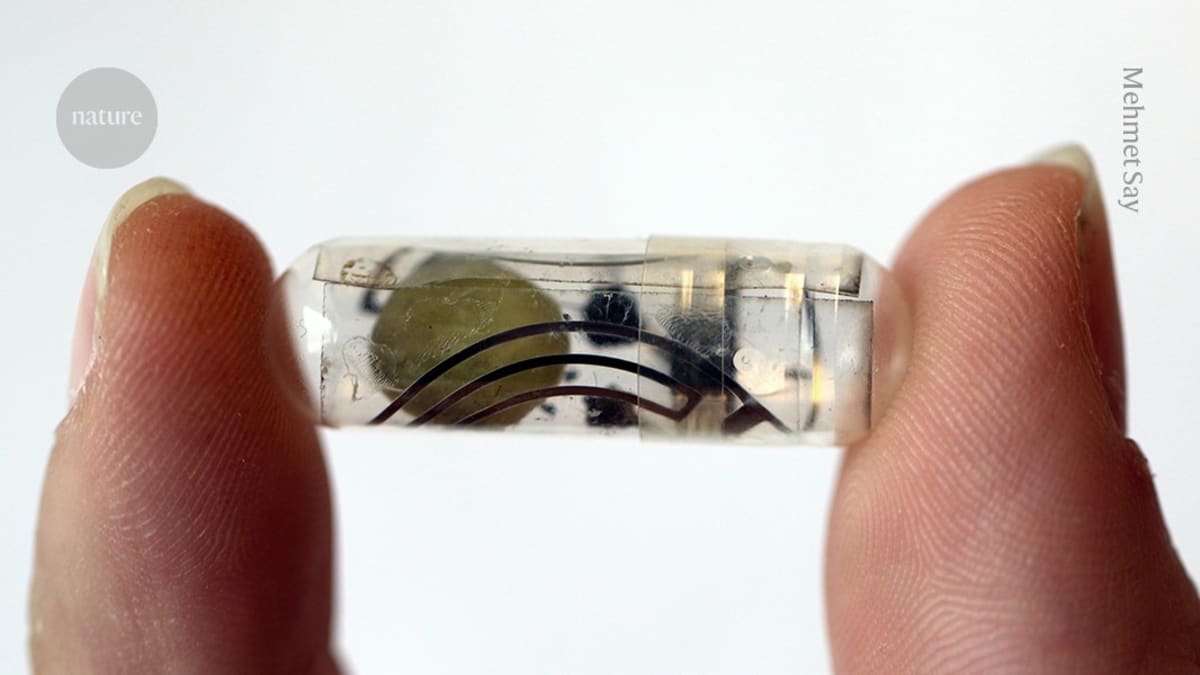
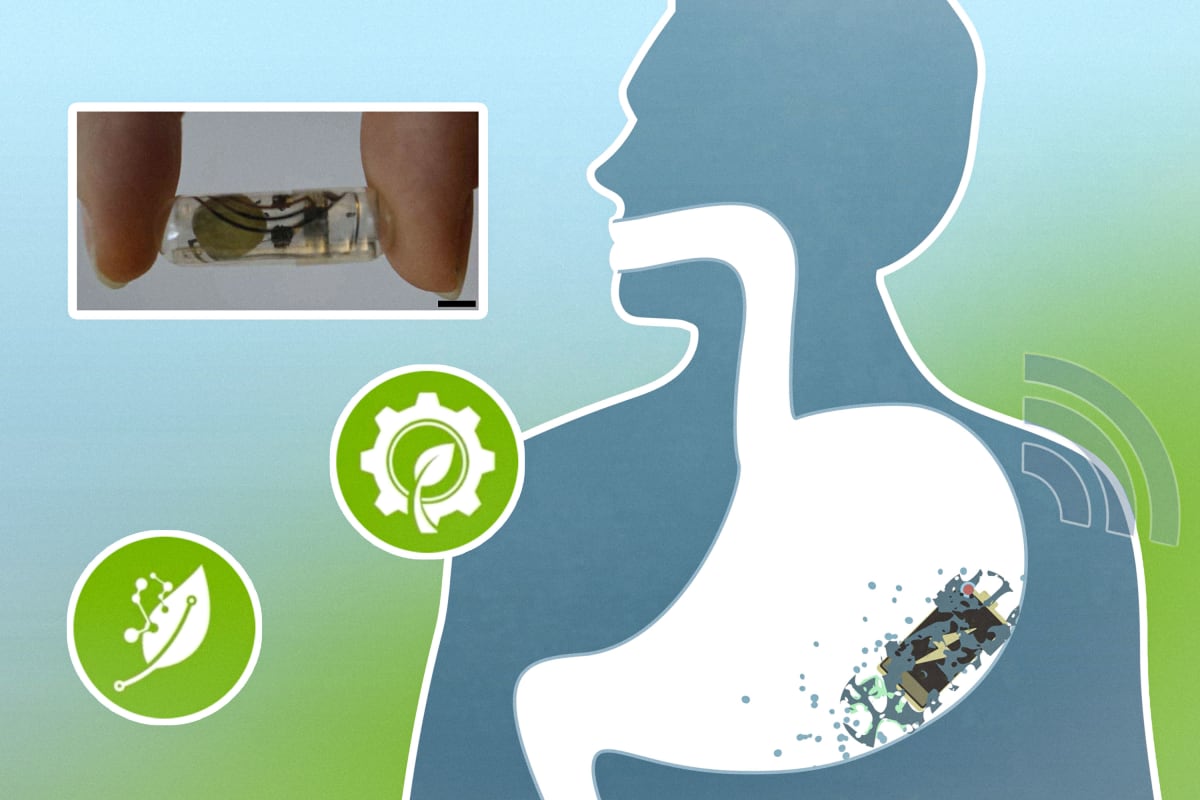
Scientists at MIT have developed tiny, fully digestible batteries made from safe food-grade materials that power swallowable medical devices. The breakthrough could make ingestible electronics safer for patients while reducing environmental waste.
Swallowing a battery to monitor your health might sound dangerous, but MIT researchers just made it as safe as taking a vitamin.
Scientists have created tiny batteries made entirely from materials the human body can safely absorb. The breakthrough solves a major safety concern with ingestible medical devices, which currently rely on lithium or silver oxide batteries that could harm patients if their protective coating breaks down in the digestive system.
The new batteries use magnesium and molybdenum trioxide as electrodes, both safe for human consumption in small amounts. The entire battery, including its gel interior, breaks down naturally in the body within a few weeks.
Giovanni Traverso, an MIT mechanical engineering professor and gastroenterologist at Brigham and Women's Hospital, led the research team. "The biggest driver was thinking about materials that can be tolerated by humans," he explains.
The batteries come in two sizes: a disc measuring 7.5 millimeters across and a rectangular bar 24 millimeters long. Despite their small size, they pack enough power to run different types of medical devices, generating 1.84 volts.
The team tested the batteries by exposing them to solutions mimicking stomach acid. The batteries worked normally for about three days before gradually breaking down completely over several weeks.
Why This Inspires
This technology opens doors for safer, more sophisticated medical treatments that patients can simply swallow. The researchers successfully used their battery to power a capsule that stimulates production of ghrelin, the hunger hormone, which could help cancer patients and others struggling with appetite loss.
The batteries also powered an RFID tag that transmits data from inside the stomach, showing promise for monitoring conditions without invasive procedures. Unlike earlier devices that needed external power sources or potentially hazardous batteries, these new systems work independently and safely.
The environmental benefits matter too. After the device passes through the body, nothing toxic remains behind.
Over the past decade, Traverso's lab has developed various ingestible capsules for monitoring vital signs, delivering drugs, and even detecting opioid overdoses. Adding a safe, reliable power source makes all these technologies more practical for everyday medical use.
The research appears in Nature Chemical Engineering, marking another step toward making advanced medical care as simple as swallowing a pill. For patients who need continuous monitoring or targeted drug delivery, help might soon come in the most digestible form possible.
More Images

Based on reporting by MIT News
This story was written by BrightWire based on verified news reports.
Spread the positivity!
Share this good news with someone who needs it