MIT Creates Injectable "Mini Livers" for Transplant Patients
Scientists at MIT have developed tiny injectable liver tissues that could save thousands of patients who can't get transplants. The "satellite livers" stayed healthy in mice for two months and performed essential liver functions.
More than 10,000 Americans waiting for liver transplants may soon have another option that doesn't require major surgery.
MIT engineers have created injectable "mini livers" that can take over the work of a failing liver. These tiny tissue grafts, injected through a simple syringe, stayed alive and functional in mice for at least two months.
"We think of these as satellite livers," says Sangeeta Bhatia, professor at MIT and senior author of the study published in Cell Biomaterials. "If we could deliver these cells into the body, while leaving the sick organ in place, that would provide booster function."
The breakthrough solves a major challenge in liver treatment. Many patients with liver failure aren't healthy enough to survive transplant surgery, and there simply aren't enough donated organs to go around.
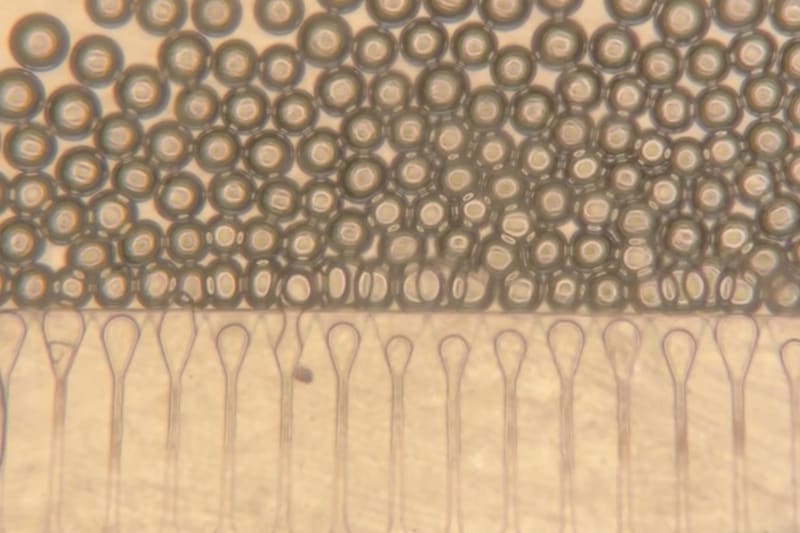
The team mixed liver cells with special hydrogel microspheres that act like liquid when packed together, allowing them to flow through a syringe. Once inside the body, they solidify and help the liver cells stick together and connect with nearby blood vessels.
The microspheres create a protective neighborhood for the liver cells. Without them, injected cells would scatter and fail to integrate with the body. With them, the cells form stable tissue grafts that quickly link up with the body's circulation system.
The researchers also included supportive fibroblast cells in the mixture. These helper cells keep the liver cells healthy and encourage blood vessels to grow into the new tissue.
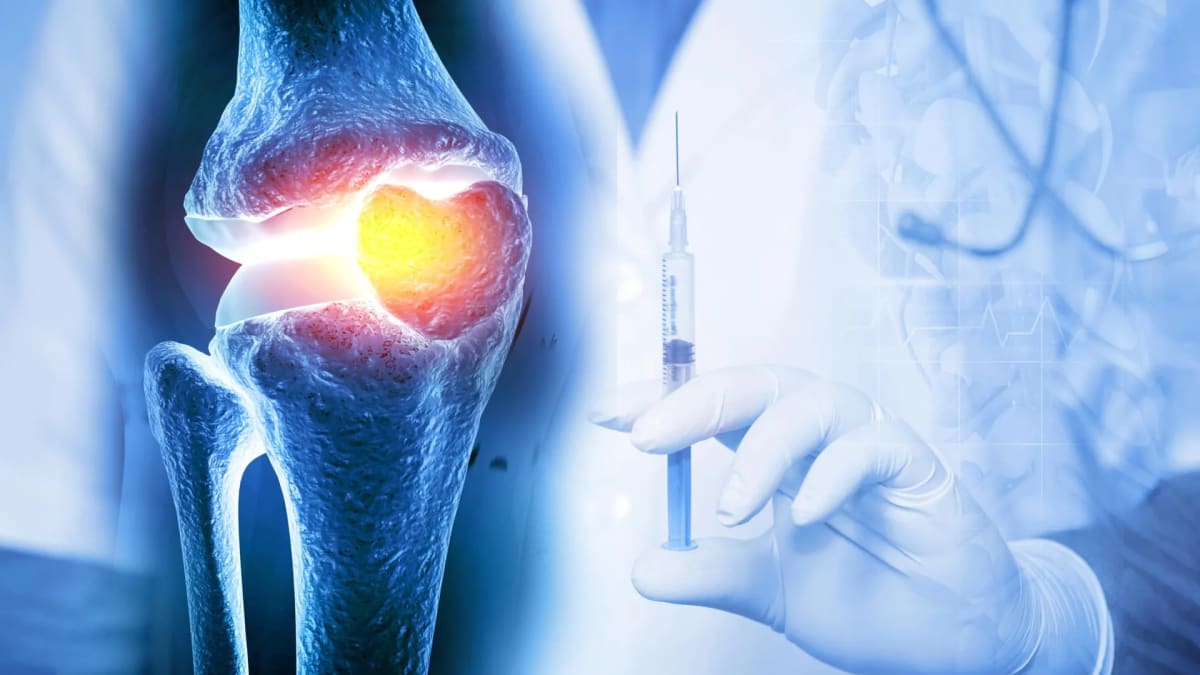
Using ultrasound guidance, doctors can inject the mixture into fatty tissue in the belly. The same ultrasound technology lets them monitor how well the implant is working over time, all without additional surgery.
The Ripple Effect
The human liver performs about 500 essential jobs, from clotting blood to filtering bacteria to processing medications. These mini livers successfully produced many of the same enzymes and proteins that natural livers create.
In future versions, doctors could deliver these grafts to different body locations like the spleen or near the kidneys. The flexibility means treatment could be customized for each patient's needs.
The approach represents a fundamental shift in how we think about organ failure. Instead of replacing a sick organ entirely, doctors could boost its function with supportive tissue delivered through a simple injection.
For patients who can't undergo major surgery or who are waiting months or years for a donated organ, this could mean the difference between life and death.
The mini livers could transform treatment for liver disease from an all-or-nothing transplant to a manageable condition supported by injectable tissue therapy.
Based on reporting by MIT News
This story was written by BrightWire based on verified news reports.
Spread the positivity!
Share this good news with someone who needs it