Scientists Create First Tool to Study Hidden Alzheimer's Target
Vanderbilt researchers developed two breakthrough compounds that let scientists study TAOK proteins for the first time, opening new paths to understanding and potentially treating Alzheimer's disease. More than seven million Americans with Alzheimer's now have new hope for future treatments.
Scientists just gained their first real tool to investigate a group of proteins that could hold answers to treating Alzheimer's disease, a condition that has resisted cure attempts for decades.
Researchers at Vanderbilt University created two new compounds that help them study TAOK proteins, which have been linked to Alzheimer's but remained almost impossible to investigate until now. Without ways to control how these proteins behave, scientists couldn't determine whether they might be useful targets for future treatments.
The team, led by the Vanderbilt Warren Center for Neuroscience Drug Discovery, made dozens of related compounds with small chemical differences. They tested each one to see how it affected TAOK proteins and whether it had properties that could work in the human body.
Their effort paid off with VU6083859, the first compound that selectively blocks TAOK-1 protein activity. This inhibitor gives researchers a new handle on studying how TAOK-1 contributes to Alzheimer's and could provide an early foundation for developing treatments.
But the team got an unexpected gift too. Another compound, VU6080195, did the opposite by activating all three members of the TAOK family instead of blocking them.
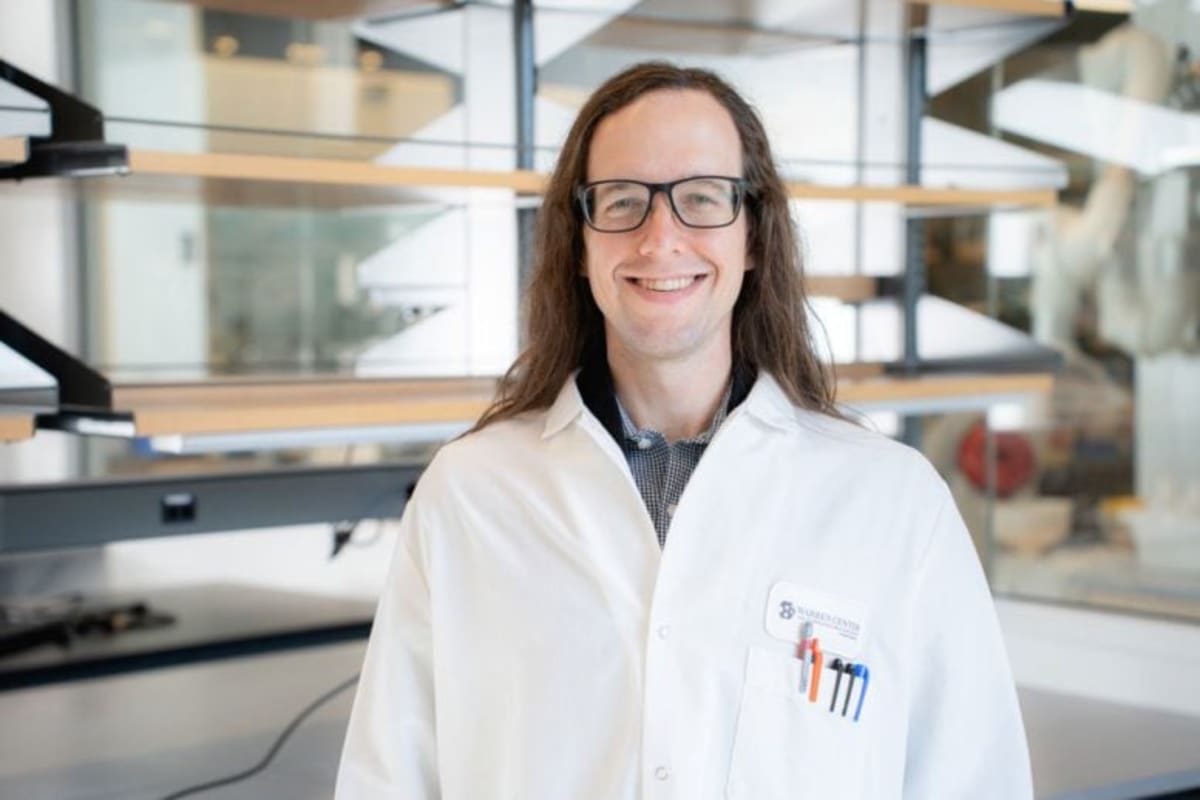
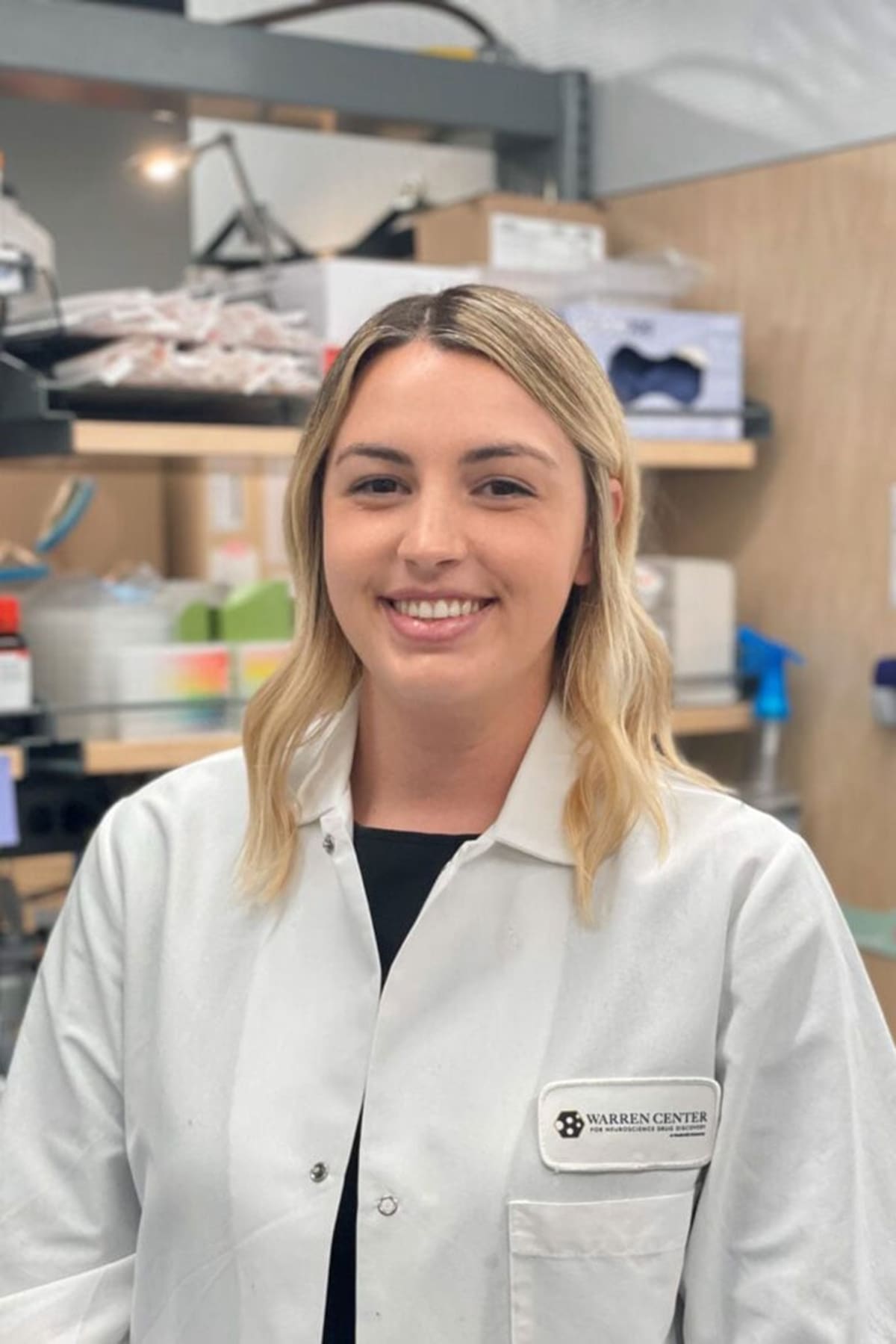
"As scientists, we can get lost in planning our projects to the last detail and expecting things to go a certain way, so it was quite fun to see this unexpected result," said Daniel Schultz, who co-led the research as a postdoctoral fellow at Vanderbilt.
Why This Inspires
Understanding the basic biology of disease gives scientists their best shot at developing treatments that actually work. For Alzheimer's, most current treatments only address symptoms rather than fixing what goes wrong in the brain.
These two new tools mean neuroscientists can finally study a protein family that's been sitting in the shadows, potentially revealing new approaches to fighting a disease that affects millions. The TAOK family has received little research attention simply because scientists lacked the right tools to investigate it properly.
The Vanderbilt center behind this work isn't just making research tools. It's a clinical-stage biotech startup with five drug compounds already in human trials, showing how basic discoveries can lead to real treatments.
With better tools to understand what drives Alzheimer's and other neurological diseases, researchers are one step closer to therapies that could slow, stop, or even reverse these devastating conditions.
More Images

Based on reporting by Google News - Disease Cure
This story was written by BrightWire based on verified news reports.
Spread the positivity!
Share this good news with someone who needs it