MIT Creates mRNA Cancer Vaccine That Erased Tumors in Mice
Scientists at MIT have developed a revolutionary cancer vaccine that completely eliminated tumors in most test mice by supercharging the body's T cells. The breakthrough could transform how we fight cancer and infectious diseases.
Scientists just took a giant leap forward in the fight against cancer, and the results are nothing short of remarkable.
Researchers at MIT have created a new type of mRNA vaccine that doesn't just slow tumor growth. In tests on mice with aggressive cancers, it completely erased most tumors by unleashing an army of supercharged immune cells.
The breakthrough came from rethinking how vaccines work. Most cancer vaccines try to help the immune system recognize tumors, but they often produce weak responses that can't kill the cancer. The MIT team wanted to create something more powerful.
Their solution was elegant. Instead of injecting immune-stimulating proteins that can cause dangerous side effects, they delivered mRNA instructions that reprogram immune cells from the inside out. The mRNA encodes two genes, IRF8 and NIK, that flip dendritic cells into high gear.
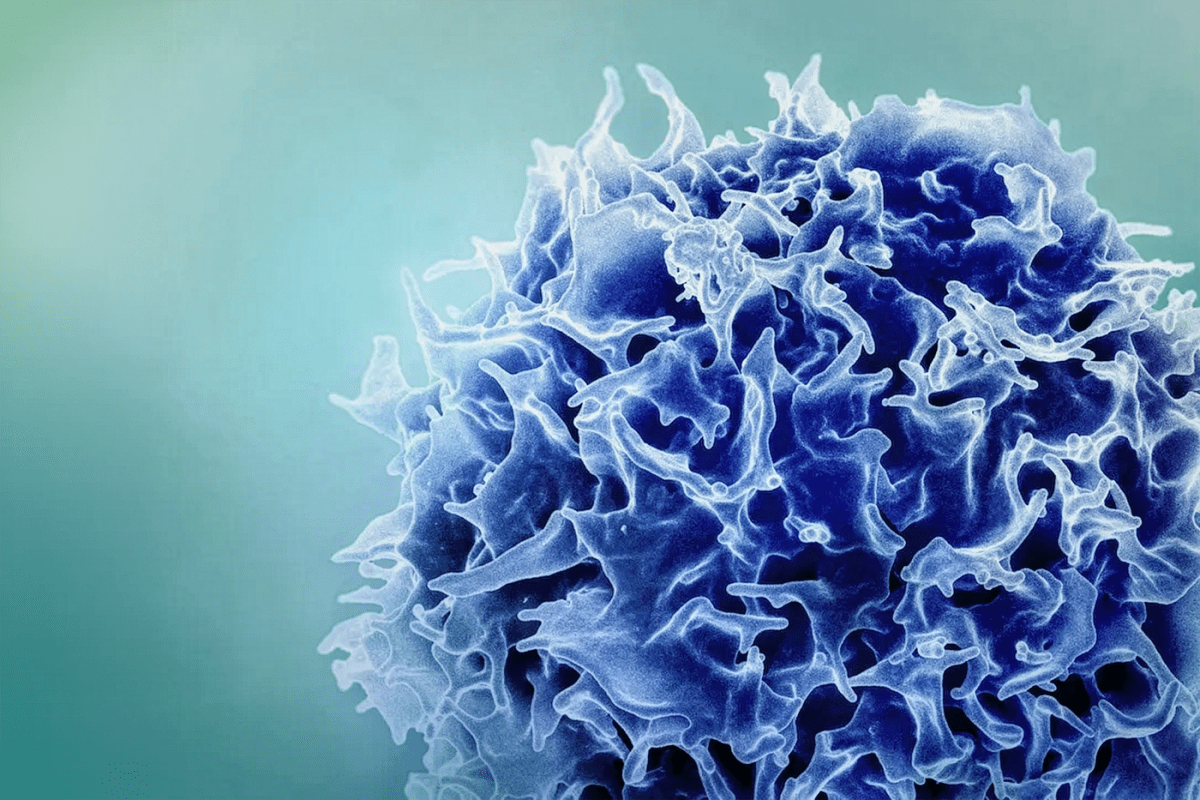
Think of dendritic cells as the immune system's alarm system. They detect threats and wake up T cells to attack. The new vaccine transforms them into a supercharged version that creates far more cancer-fighting T cells than normal.
The researchers tested their approach on mice with bladder cancer, colon cancer, melanoma, and lung cancer. The results stunned them. The mRNA treatment significantly slowed tumor growth in nearly all the mice, and in many cases, tumors disappeared completely.
Even better, the same technology boosted immune responses to flu and Covid vaccines. That means this approach could make all kinds of vaccines more effective, not just cancer treatments.
The Ripple Effect
This discovery arrives at a perfect moment. While some cancer vaccines have shown promise in human trials, they work brilliantly for some patients but fail for others. This new approach could be the missing piece that makes cancer vaccines work for everyone.
The technology builds on the same mRNA platform used in Covid vaccines, which means it could move from lab to clinic faster than traditional drug development. Millions of people have already received mRNA vaccines safely, giving doctors and patients confidence in the basic technology.
Within 24 hours of injection, immune cells in the spleen start expressing the reprogramming genes. Over the next week, T cell armies multiply and spread throughout the body, hunting down cancer cells wherever they hide.
Lead researcher Akash Gupta explains that the dendritic cells shift toward a specific type called cDC1, the most effective variety for generating powerful T cell responses. It's like upgrading from a car alarm to a full security system.
The team is now working toward human trials, hopeful that what worked so dramatically in mice will translate to people fighting cancer.
Based on reporting by MIT News
This story was written by BrightWire based on verified news reports.
Spread the positivity!
Share this good news with someone who needs it