Scientists Find Fatal Weakness in Pancreatic Cancer
Researchers discovered that pancreatic cancer cells depend on inflammation from damaged mitochondria to survive, and blocking this process kills tumors. The breakthrough could finally offer new treatment options for one of the deadliest cancers.
Scientists just uncovered a hidden weakness in pancreatic cancer that could transform treatment for a disease that has stubbornly resisted most therapies.
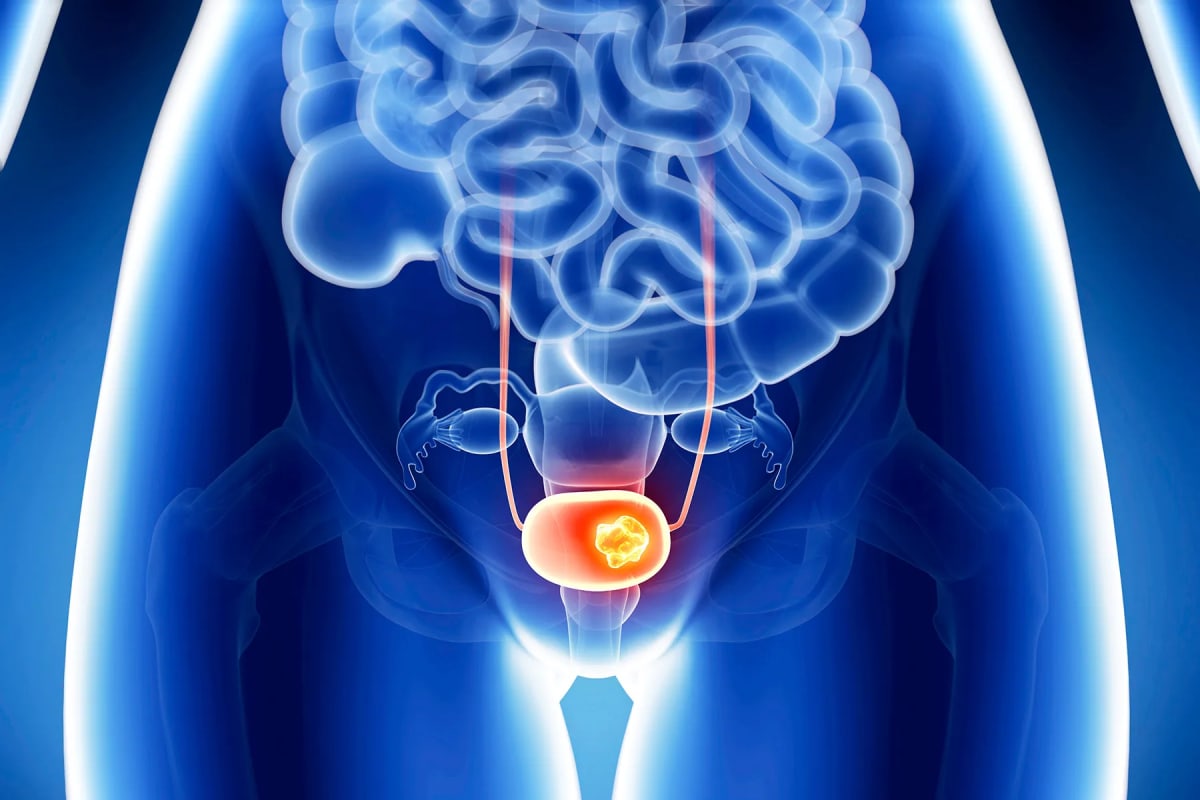
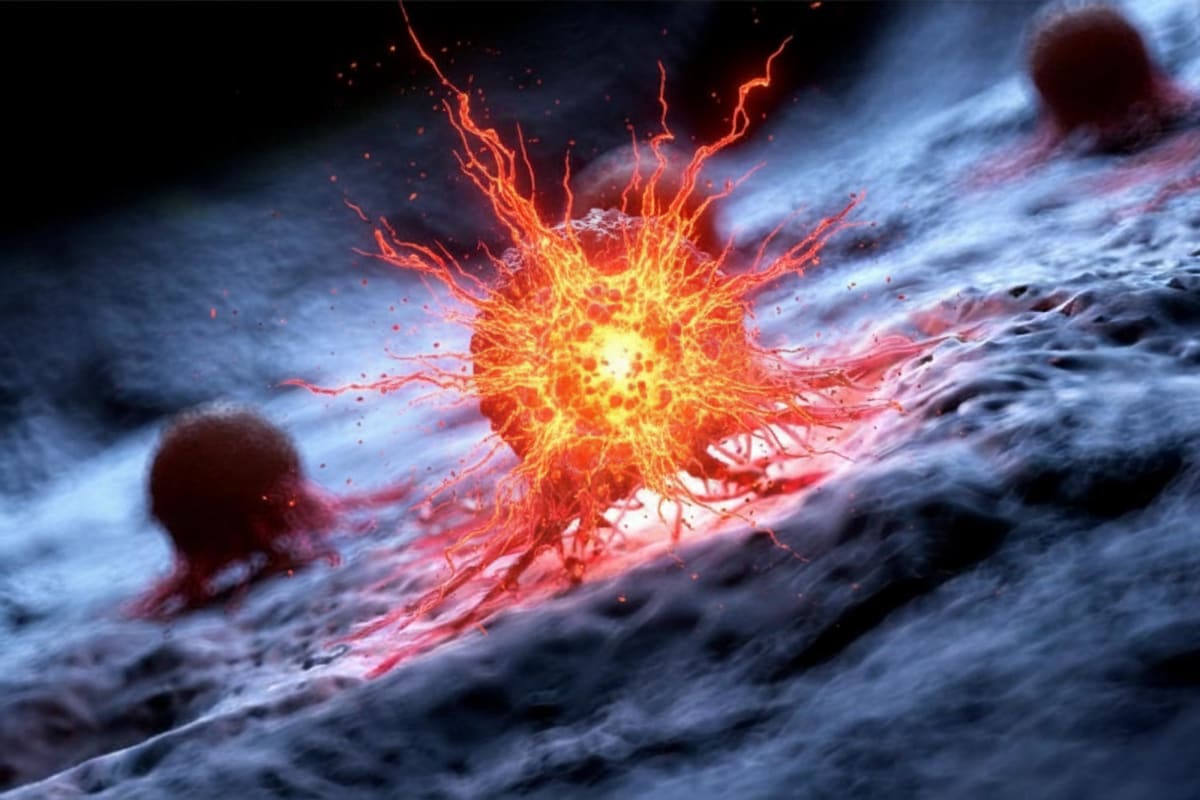
Researchers at The Wistar Institute and ChristianaCare's Helen F. Graham Cancer Center discovered that pancreatic cancer cells become addicted to a specific type of inflammation triggered by damaged structures inside them called mitochondria. When they blocked this inflammatory process in experiments, the cancer cells died while healthy cells remained completely unharmed.
The finding was published in the Proceedings of the National Academy of Sciences and points to a new treatment target that doctors desperately need. Pancreatic cancer is one of the deadliest forms of the disease, often diagnosed too late and resistant to standard treatments.
Dr. Dario Altieri, who led the research, explained that the team found something completely unexpected. Inside many cancer cells, mitochondria lose a protective protein called Mic60 and become severely damaged, yet somehow stay in the cell like ghosts.
These damaged mitochondria start leaking genetic material called double-stranded RNA. The cell mistakes this leak for a viral infection and triggers a massive inflammatory response through two proteins called TLR3 and TRAF6.
Here's where it gets interesting. The cancer cells become so dependent on this inflammation that they can't survive without it. When researchers used drugs to block the TLR3/TRAF6 pathway in mice, pancreatic tumors stopped growing entirely.
"It's been known that mitochondria could release double-stranded RNA and generate inflammation, but not in cancer, and not as a cancer driver," Altieri said. This discovery connects dots that scientists never linked before.
Why This Inspires
For decades, pancreatic cancer has been a medical puzzle with heartbreaking outcomes. This research offers something rare: a genuine vulnerability in the cancer itself that healthy cells don't share.
Dr. Nicholas Petrelli, who co-authored the study, captured the significance perfectly. "For pancreatic cancer patients, options remain far too limited and the prognosis far too often devastating. What makes this finding so exciting is that it points us toward a genuine vulnerability in the cancer itself, one we may be able to exploit therapeutically."
The research team is now working to understand exactly how the damage happens and whether they can interrupt it at even earlier stages. They're also developing drugs specifically designed to target the TLR3/TRAF6 pathway.
The breakthrough could extend beyond pancreatic cancer to other tumor types that might rely on the same mechanism. Sometimes the most powerful discoveries come from finding what seemed impossible: a weakness in something that appeared invincible.
More Images

Based on reporting by Google News - Scientists Discover
This story was written by BrightWire based on verified news reports.
Spread the positivity!
Share this good news with someone who needs it