MIT Cuts Campus Carbon 35% With Heat Recovery Innovation
MIT has slashed energy use by over 10% per square foot while growing its campus, and one building renovation alone cut carbon emissions by 35%. The university is on track to hit net-zero emissions this year through rooftop solar, heat recovery systems, and partnerships creating renewable energy projects that prevent 200,000 tons of CO2 annually.
A single building renovation just proved that even the most energy-hungry research facilities can dramatically slash their carbon footprint without sacrificing innovation.
MIT's Brain and Cognitive Sciences Complex, known as Building 46, was one of the university's biggest energy guzzlers. After a careful lab-by-lab renovation and mechanical systems upgrade completed in 2024, the building now uses 35% less energy and produces 35% fewer carbon emissions. That one project reduced the entire campus's emissions by 2%.
The results come five years after MIT launched its Fast Forward climate action plan in 2021. Since then, the Cambridge campus has become a testing ground for technologies that could transform how universities and research institutions approach energy use.
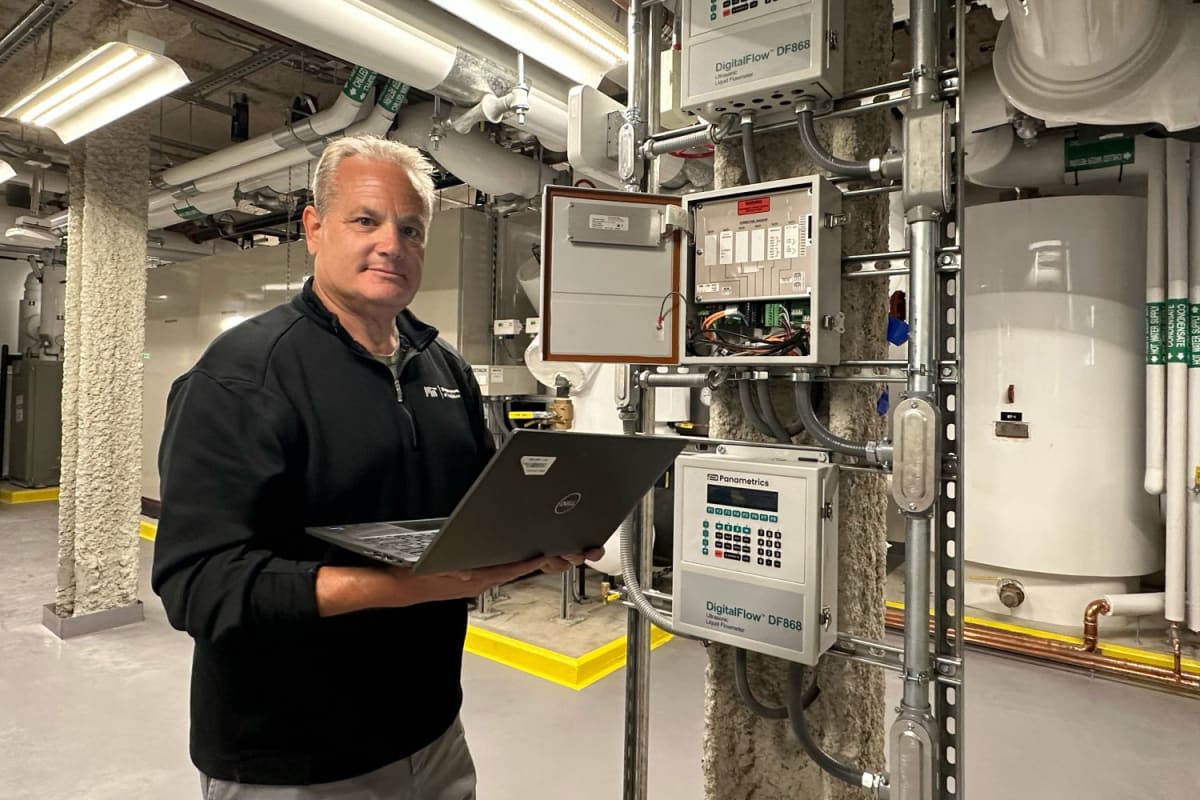
The newly opened Metropolitan Storage Warehouse showcases one breakthrough: a heat-recovery system that captures waste heat from the campus cooling system and redirects it through electric heat pumps to warm the building. MIT plans to scale this approach across campus.
Over the past decade, MIT has cut energy use per square foot by more than 10%, even as the campus expanded and research intensified. Rooftop solar power generation jumped fivefold, with panels now installed on student centers, libraries, residence halls, and arts buildings.
Since 2014, MIT has upgraded 101 of its 168 main campus buildings with energy-efficient features. The work includes smarter ventilation controls, better heating and cooling management, and AI systems that adjust classroom temperatures based on weather forecasts, occupancy patterns, and the carbon intensity of the regional power grid.
The Tina and Hamid Moghadam Building became MIT's first Living Future Zero Carbon Certified building in May. Thirty-three building projects have earned LEED certification.
The Ripple Effect
MIT's climate work extends far beyond its campus boundaries. The university partnered on large-scale renewable energy projects in U.S. regions still heavily dependent on fossil fuels, including the Summit Farms solar farm in North Carolina.
Together, these projects prevent over 200,000 tons of carbon dioxide annually, roughly equal to MIT's entire direct campus emissions. Joe Higgins, vice president for campus services and stewardship, says these initiatives put the university on track to reach net-zero emissions this year.
Future renovations will push even further. Building 39, slated to house a quantum research lab, will incorporate advanced insulation, smart ventilation, LED lighting, and heat-recovery systems projected to cut energy use and emissions by 70-80% compared to the existing building.
McCormick Hall's renovation, expected to finish by fall 2028, will replace gas cooktops with electric induction, add high-performance windows, improve stormwater management, and plant native species that support local biodiversity while requiring less water and maintenance.
Glen Shor, MIT's executive vice president and treasurer, notes the campus work complements the university's research and policy efforts on climate. The campus itself has become a living laboratory, testing solutions that other institutions can adopt.
Over 300 energy-efficiency projects have touched nearly every corner of MIT, proving that research-intensive institutions don't have to choose between scientific progress and climate action.
Based on reporting by MIT News
This story was written by BrightWire based on verified news reports.
Spread the positivity!
Share this good news with someone who needs it