MIT Doubles Startup Support for Climate and Health Solutions
Sixteen new hard-tech startups join MIT's accelerator program, bringing real-world solutions for climate change, healthcare, and clean energy closer to market. The program now supports over 30 companies turning lab breakthroughs into products that could change millions of lives.
The number of cutting-edge startups getting help from MIT just doubled, and they're tackling some of humanity's biggest challenges.
MIT.nano announced that 16 new companies joined its START.nano accelerator program in 2025, more than twice the number from the previous year. These aren't your typical app developers. They're working on brain-computer interfaces, carbon capture technology, affordable genetic testing, and batteries that could revolutionize clean energy storage.
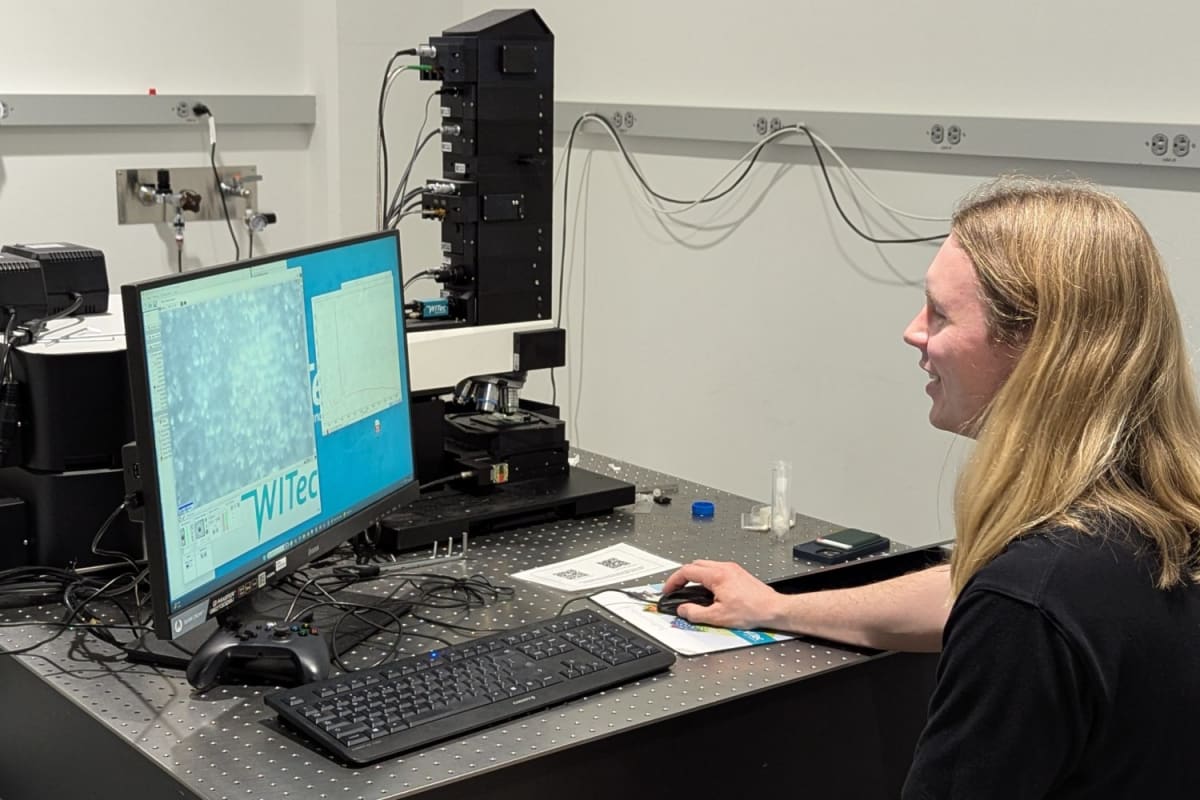
The program gives early-stage companies something precious: discounted access to MIT's world-class nanofabrication facilities. For startups working at the bleeding edge of technology, this access can mean the difference between success and shutdown.
"For an early-stage startup working at the frontier of superconductor discovery, the combination of infrastructure and community has been irreplaceable," says Jason Gibson, CEO of Quantum Formatics, one of the new participants.
Take Rheyo, which is reinventing dental care with advanced materials. Or Mantel Capture, designing carbon capture systems that work inside industrial furnaces where traditional methods fail. Or Acorn Genetics, building what they call a "smartphone of sequencing" to make genetic testing fast and affordable for everyone.
Nearly half the participating startups are founded by MIT graduates, but you don't need an MIT connection to join. The program welcomes innovators from anywhere who are serious about solving real problems.
The Ripple Effect
The accelerator's impact goes beyond helping individual companies survive. START.nano has already graduated 11 companies that have moved past prototyping into actual commercialization, turning laboratory breakthroughs into products people can use.
These aren't pie-in-the-sky ideas. Vertical Semiconductor is building next-generation chips to power artificial intelligence. Addis Energy is using drilling technology to produce clean ammonia from iron-rich rocks. Electrified Thermal Solutions is helping factories switch from fossil fuels to electricity with reinvented firebricks.
Program Manager Joyce Wu explains that hard-tech startups face unique challenges. Unlike software companies that can launch from a laptop, these ventures need expensive equipment and specialized facilities just to build prototypes.
The newly launched PITCH.nano competition gives participants a platform to present their innovations to potential investors and partners. This networking opportunity has proven just as valuable as lab access.
"START.nano isn't just a resource," says Cynthia Liao, CEO of Vertical Semiconductor. "It's a strategic advantage that accelerates our roadmap."
With over 32 active companies now in the program, START.nano is proving that providing the right support at the right time can help world-changing ideas make the leap from laboratory benches to real-world impact.
Based on reporting by MIT News
This story was written by BrightWire based on verified news reports.
Spread the positivity!
Share this good news with someone who needs it