MIT Engineers Control Blood Vessel Growth With Stretching
Scientists at MIT have cracked a major puzzle in tissue engineering by discovering they can grow and direct artificial blood vessels simply by stretching them. This breakthrough could finally enable the creation of fully functional artificial organs that have eluded researchers for years.
Growing replacement organs has been medical science's ultimate promise, but there's been one stubborn problem holding everything back. Without precise networks of blood vessels to deliver nutrients, even the most sophisticated artificial tissues can't survive.
MIT engineers just solved it with an elegantly simple solution: stretch the vessels and they'll grow exactly where you need them.
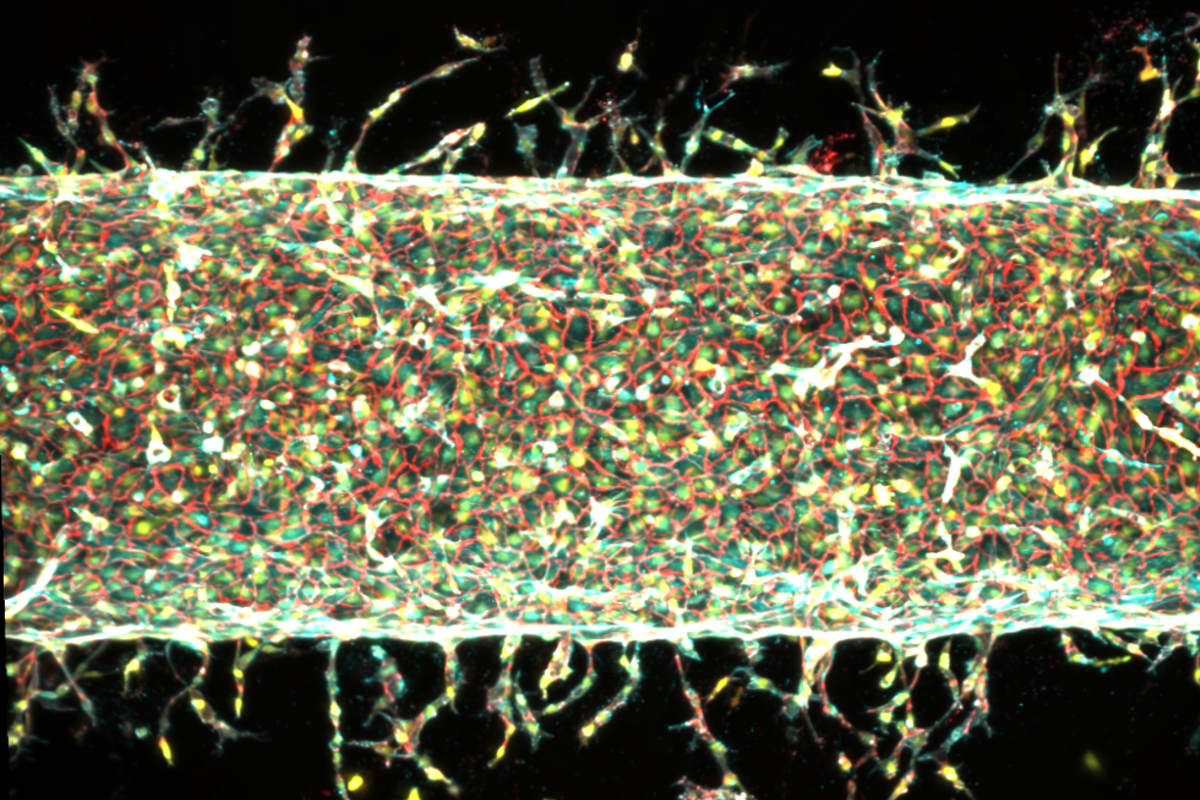
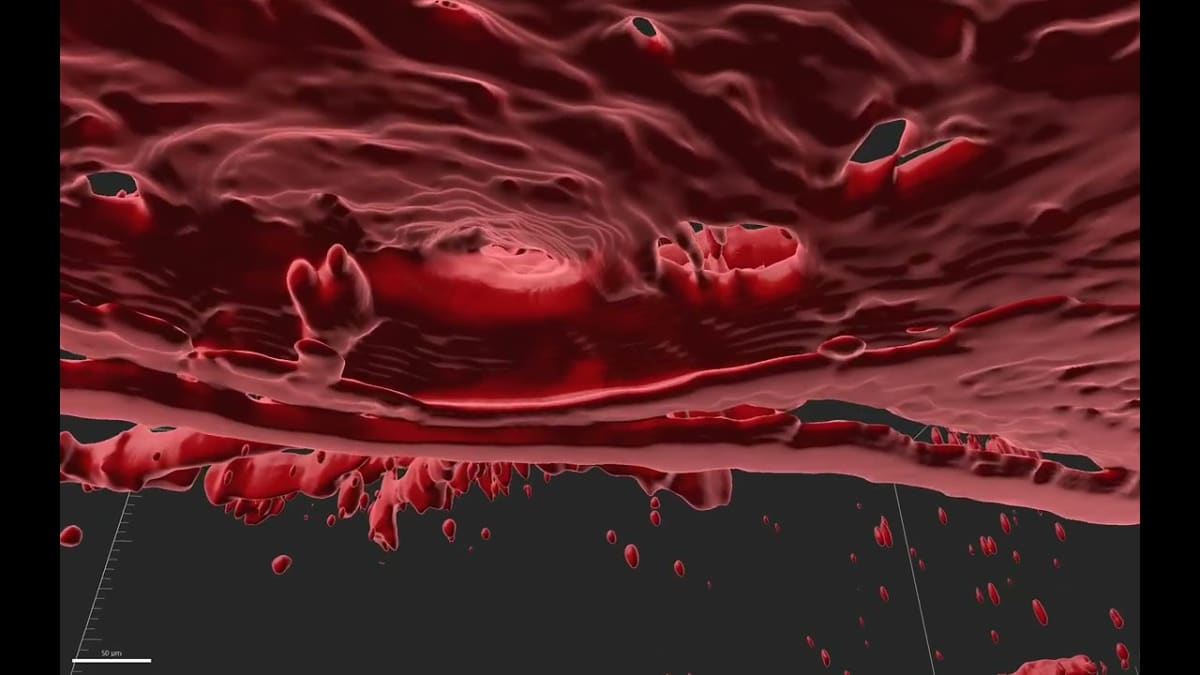
The team created a "blood vessel on a chip" using real human endothelial cells formed into a central artery, embedded in a nutrient-rich gel containing a tiny magnet. By moving an external magnet to jostle the gel back and forth, they discovered they could trigger the artery to sprout new capillaries on demand.
The real magic is in the control. When researchers changed the direction of the stretching, the new vessels grew in that direction. Adjusting how much they stretched the artery influenced how many new vessels sprouted.
"Healthy tissues depend on organized blood vessel networks, but state-of-the-art protocols don't enable fabricating such networks within engineered tissues," says Ritu Raman, associate professor of mechanical engineering at MIT and the study's co-lead author.
Previous attempts to guide blood vessel growth relied on chemical cues like growth factors, but those methods lacked precision. 3D printers can produce large arteries and veins, but they're not accurate enough to recreate the hair-thin capillaries that keep tissues alive.
The breakthrough builds on the team's earlier work growing artificial muscles and nerves through mechanical exercise. They applied the same principle to blood vessels and found that movement stimulates healthy, organized growth.
Why This Inspires
This discovery represents more than just a lab achievement. It's a pathway to helping millions of people waiting for organ transplants or living with damaged tissues after injury or disease.
The beauty of this approach is its simplicity. Rather than complex chemical cocktails or expensive equipment, controlled stretching provides the physical cues cells naturally respond to in the body. It's reproducible, scalable, and uses the body's own growth mechanisms.
The results, published in the Proceedings of the National Academy of Sciences, give tissue engineers a practical tool they've desperately needed. Scientists have successfully grown artificial muscles, livers, kidneys, and skin, but those tissues remained non-functional without proper blood supply.
Now researchers can program blood vessel patterns the same way they might write software code. Stretch here for growth, change direction to redirect, adjust intensity to control density.
The next generation of artificial organs just became possible.
More Images
Based on reporting by MIT News
This story was written by BrightWire based on verified news reports.
Spread the positivity!
Share this good news with someone who needs it