MIT Finds Gene Flaw Behind Rett Syndrome Brain Vessel Leaks
Scientists at MIT discovered why brain blood vessels become leaky in children with Rett syndrome and found a way to potentially fix it. The breakthrough traces the problem to a single overactive molecule that weakens blood vessel walls.
Scientists just cracked a major puzzle in understanding Rett syndrome, a severe developmental disorder that affects mostly girls starting around age two or three.
Researchers at MIT's Picower Institute discovered that two common genetic mutations causing Rett syndrome trigger a chain reaction that makes developing brain blood vessels leaky. More importantly, they found a way to help repair the damage.
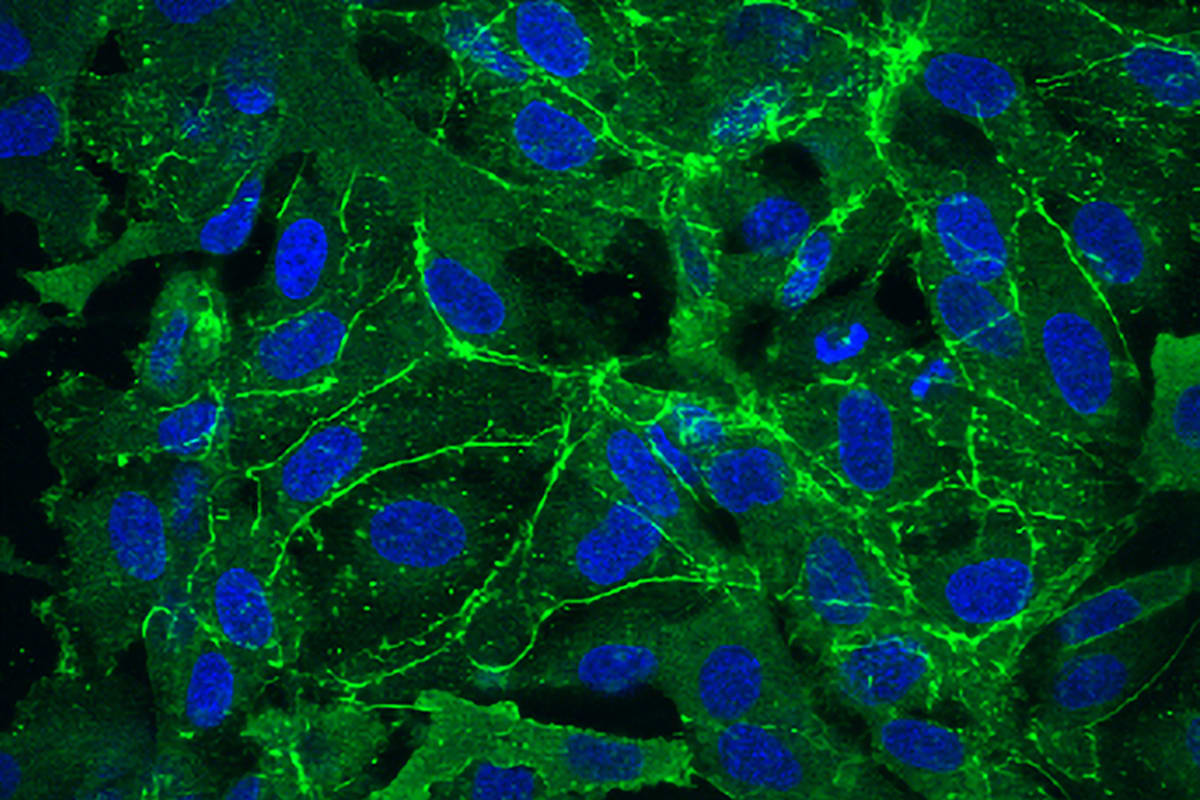
The team, led by Tatsuya Osaki and Professor Mriganka Sur, built tiny 3D models of human blood vessels using stem cells donated by Rett syndrome patients. These miniature vascular networks allowed them to watch exactly what goes wrong as the vessels develop.
They discovered that both mutations cause overproduction of a molecule called microRNA-126-3p. This excess microRNA then reduces a crucial protein called ZO-1, which normally acts like grout between tiles to seal blood vessel walls tightly.
Without enough ZO-1, the vessels become leaky. This matters enormously because the brain depends on a tight blood-brain barrier to control what enters and exits, protecting delicate neural tissue.
The researchers tested their theory by reducing microRNA-126-3p levels in the faulty vessels. It worked. The treatment helped restore the vascular defect, suggesting a possible path toward therapy.
The discovery carries extra weight because the two mutations they studied affect the MeCP2 gene in different ways, yet both led to the same vascular problem. This suggests leaky brain vessels are a core feature of Rett syndrome, not just a side effect.
The team even exposed healthy neurons to medium from the leaky Rett vessels. Those nerve cells showed reduced electrical activity, hinting at how vascular problems might contribute to the neurological symptoms children experience.
The Bright Side
This research offers hope on multiple fronts. First, it identifies a specific molecular target for potential treatments. Second, the advanced tissue culture techniques the team developed could accelerate research into other neurodegenerative diseases like Alzheimer's and ALS, which also involve blood-brain barrier problems.
The study bridges a critical gap in understanding Rett syndrome. Symptoms don't appear until ages two or three, precisely when brain blood vessels undergo critical development. Now scientists know what to look for during that crucial window.
Professor Sur emphasizes the significance: demonstrating that microRNA-126-3p sits downstream of the genetic mutation and directly causes endothelial cell dysfunction is an important piece of the Rett syndrome puzzle finally falling into place.
For families affected by Rett syndrome, this breakthrough represents real progress toward understanding why the disorder develops and how it might one day be treated. The path from lab discovery to therapy is long, but knowing exactly what goes wrong is the essential first step toward making it right.
Based on reporting by MIT News
This story was written by BrightWire based on verified news reports.
Spread the positivity!
Share this good news with someone who needs it