MIT Finds Gut Protein That Kills Antibiotic-Resistant Bugs
Scientists at MIT discovered a natural protein in our gut that both strengthens our protective mucus layer and kills dangerous bacteria, including strains that resist antibiotics. This breakthrough could lead to entirely new treatments for gut diseases and drug-resistant infections.
Your gut has been hiding a powerful secret weapon against dangerous bacteria, and scientists just figured out how it works.
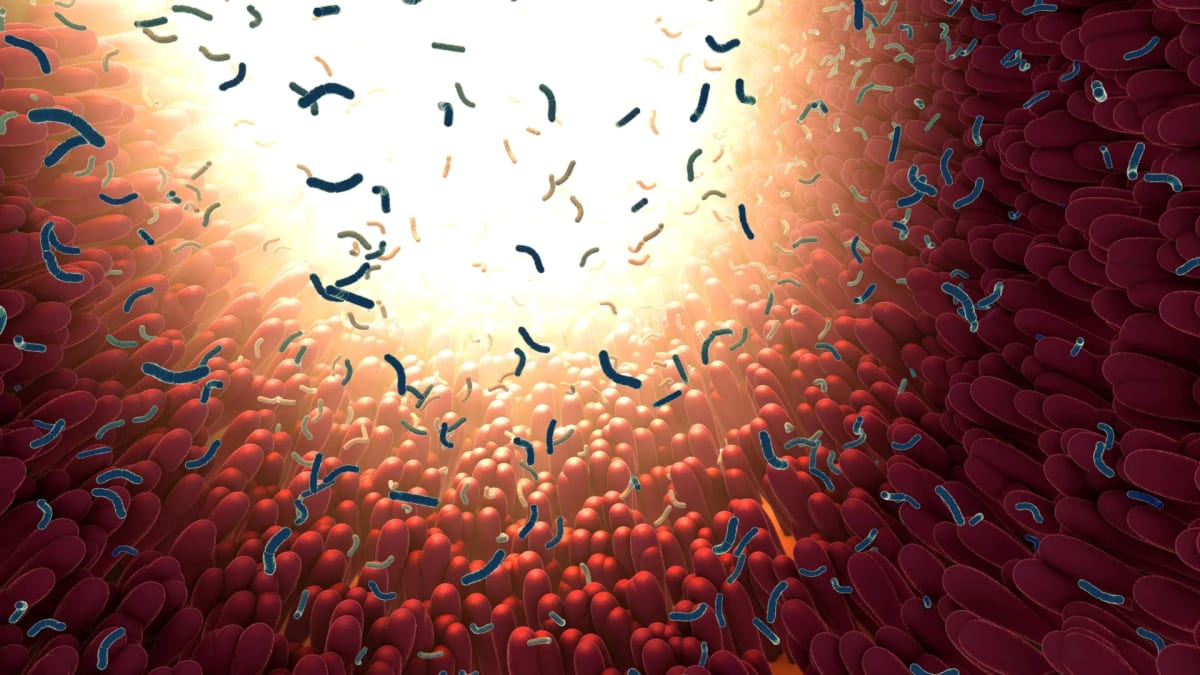
Researchers at MIT discovered that a protein called intelectin-2 acts like a two-part defense system in your intestines. It strengthens the mucus barrier protecting your gut while actively trapping and killing harmful bacteria that try to break through.
Laura Kiessling, the Novartis Professor of Chemistry at MIT who led the study, explains what makes this protein special. "Intelectin-2 operates in two complementary ways. It helps stabilize the mucus layer, and if that barrier is compromised, it can directly neutralize or restrain bacteria that begin to escape."
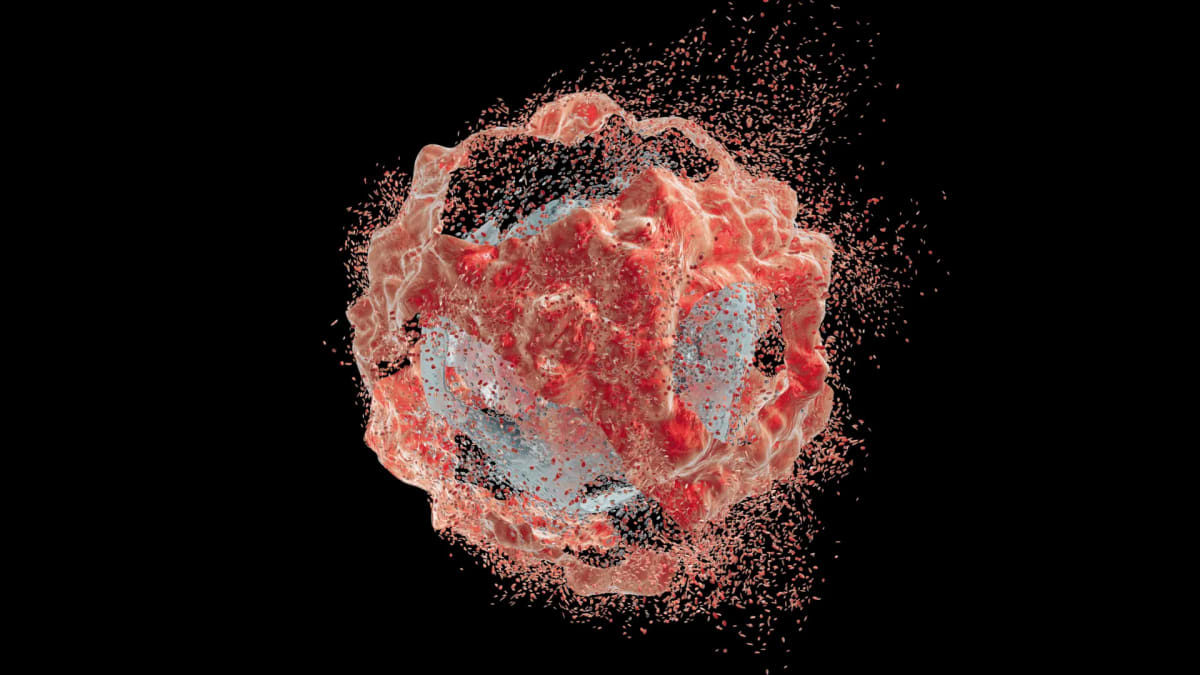
The protein works by latching onto sugar molecules found on both mucus and bacterial surfaces. When it binds to mucus, it links the molecules together like reinforcing a fence. When it attaches to bacteria, it traps them and breaks apart their cell walls, ultimately killing them.
What excites scientists most is that intelectin-2 destroys many types of bacteria, including notorious pathogens like Staphylococcus aureus and Klebsiella pneumoniae. These bacteria often resist standard antibiotics, making infections extremely difficult to treat.
The discovery came after Amanda Dugan, a former MIT research scientist, began investigating the protein's role in detail. She found that in humans, Paneth cells in the small intestine consistently produce intelectin-2, while in mice, it appears in response to inflammation or parasitic infections.
Why This Inspires
This breakthrough represents a fundamentally different approach to fighting infections. Instead of developing new chemical antibiotics that bacteria eventually resist, scientists can now harness proteins your body already uses for protection.
For people with inflammatory bowel disease, this research offers particular hope. Many patients have imbalanced levels of intelectin-2, which either weakens their mucus barrier or eliminates helpful gut bacteria. Therapies designed to restore normal levels could help millions manage their condition more effectively.
The team's findings, published in Nature Communications, suggest that intelectin-2 could eventually be developed into new treatments. These could either fight resistant infections directly or help repair damaged gut barriers in people with chronic digestive diseases.
Kiessling sees enormous potential in exploring how our own immune system protects us. "Taking advantage of proteins that the body already uses to protect itself against pathogens is completely different from traditional drug development. We're learning from billions of years of evolution."
The research opens doors to designing similar proteins that actively reinforce protective barriers throughout the body, not just in the gut.
Sometimes the best solutions have been inside us all along.
Based on reporting by Health Daily
This story was written by BrightWire based on verified news reports.
Spread the positivity!
Share this good news with someone who needs it