MIT Finds Key to Repairing Leaky Brain Vessels in Rett Syndrome
Scientists at MIT have discovered what causes leaky blood vessels in children with Rett syndrome and found a way to repair them. The breakthrough points toward potential treatments for a devastating disorder that affects thousands of young girls.
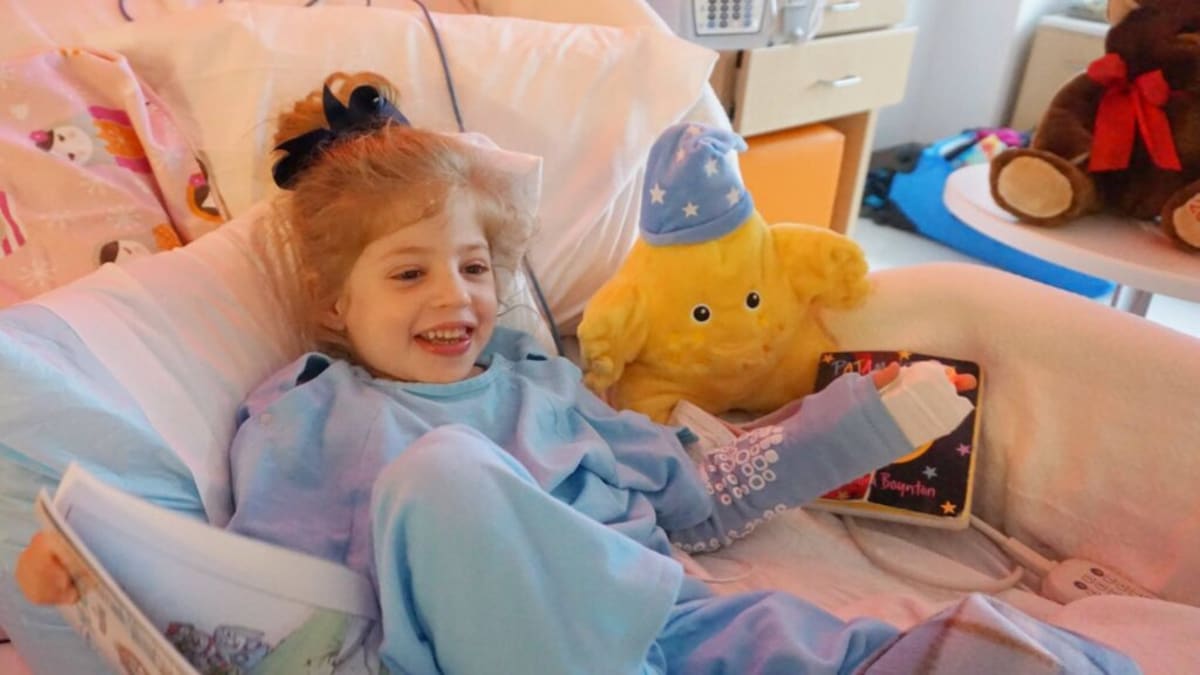
For families watching their daughters lose developmental abilities to Rett syndrome, new research from MIT brings genuine hope for future treatments.
Scientists at the Picower Institute have cracked a crucial puzzle about why children with Rett syndrome develop problems with their brain's blood vessels. The team discovered that two common genetic mutations both trigger the same chain reaction, causing vessels to become leaky at a critical time in early childhood development.
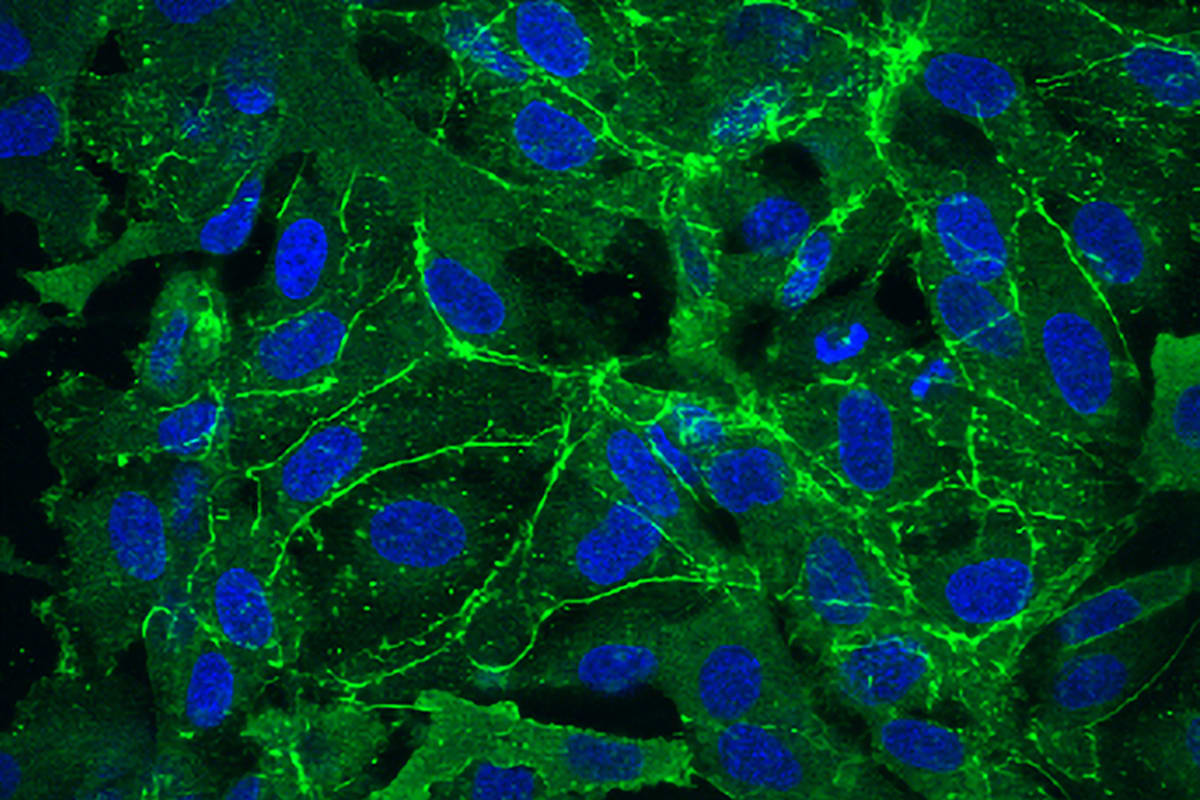
The breakthrough came through innovative lab work by researcher Tatsuya Osaki and Professor Mriganka Sur. They grew tiny blood vessel networks using stem cells from Rett syndrome patients, creating a window into exactly what goes wrong during development.
What they saw was striking. The vessels showed reduced levels of a protein called ZO-1, which acts like grout between tiles to seal the junctions in blood vessels. Without enough ZO-1, the vessels couldn't form the tight barriers young brains need.
The culprit turned out to be a microRNA called miRNA-126-3p. When the Rett mutations occur, this microRNA goes into overdrive, disrupting the normal development of blood vessels. Think of it like a volume knob turned up too high, drowning out the signals cells need to build properly.
Here's where it gets exciting. When the researchers lowered the levels of this overactive microRNA in their lab models, the blood vessels improved. The defect could be rescued.
Why This Inspires
This discovery matters because it transforms Rett syndrome research from studying what's broken to testing how to fix it. The team showed that despite two different mutations causing the disease in different ways, they share this common pathway involving miRNA-126-3p.
That's powerful information. It means one treatment approach could potentially help many patients, regardless of which specific mutation they carry.
Professor Sur notes that while scientists suspected microRNAs played a role in Rett syndrome, proving that miRNA-126-3p sits downstream of the genetic mutations and directly causes blood vessel problems fills in "an important piece of the Rett syndrome puzzle."
The research also sheds light on how leaky brain blood vessels might contribute to other neurological conditions like Alzheimer's and ALS. When the team exposed healthy neurons to material from the Rett blood vessels, those nerve cells showed reduced electrical activity, suggesting the vascular problems directly impact brain function.
Rett syndrome affects roughly one in 10,000 girls, with symptoms typically emerging around age two or three. The disorder causes severe developmental regression, seizures, and loss of purposeful hand use and speech.
While this research is still in the laboratory stage, it provides researchers with a clear target for developing treatments. The path from discovery to medicine takes time, but every journey begins with understanding what needs to be fixed.
Based on reporting by Google News - Scientists Discover
This story was written by BrightWire based on verified news reports.
Spread the positivity!
Share this good news with someone who needs it