MIT Flips Biology Teaching: Proteins Before DNA in Worcester
A simple switch in how biology is taught is transforming understanding for thousands of Massachusetts students. MIT's Edgerton Center discovered that teaching proteins before DNA helps concepts finally click.
What if we've been teaching biology backward this whole time?
That's exactly what Kathy Vandiver from MIT's Edgerton Center realized after years of watching students struggle with molecular biology. She had a breakthrough insight: teach students about proteins first, then show them how DNA makes those proteins.
The traditional approach walks students through "DNA makes RNA, RNA makes proteins" without ever explaining what proteins actually are or why they matter. Vandiver compares it to handing someone blueprints for a building they've never seen. Students memorize the steps but miss the bigger picture entirely.
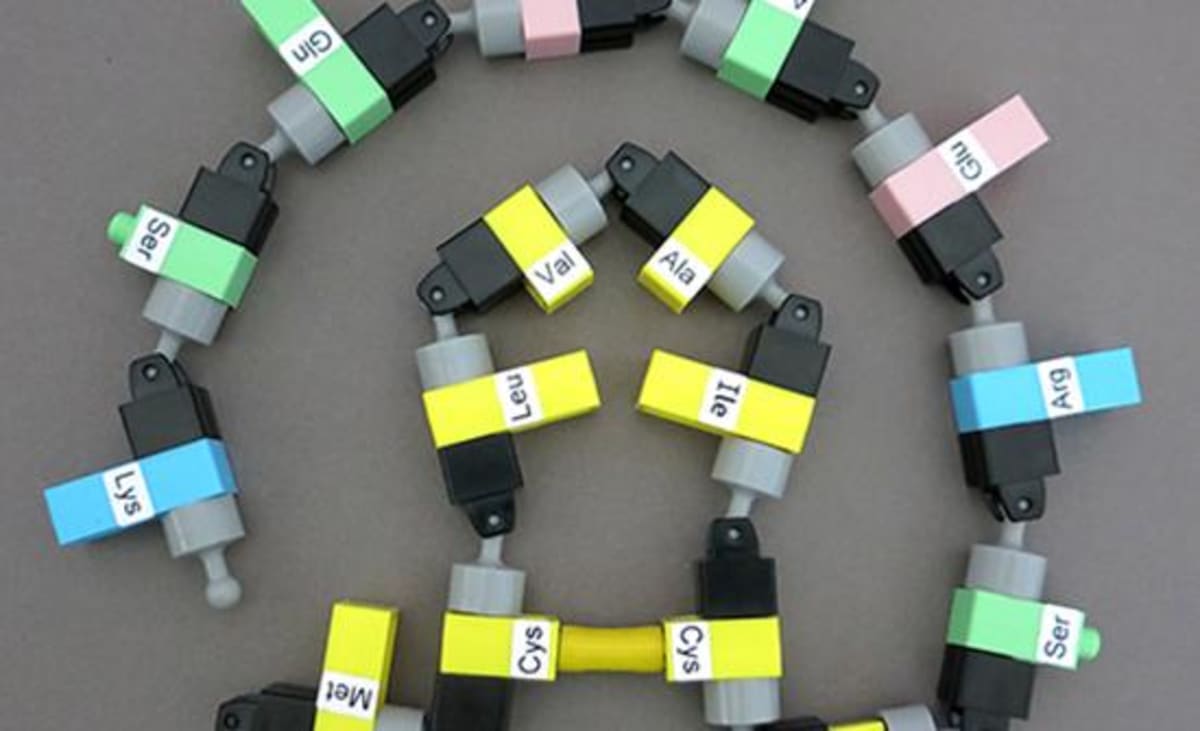
Her solution flips the script. Students start by physically building protein models with their hands, snapping together colorful blocks to understand what proteins look like and how they work. Only after creating these structures do they learn about the DNA that codes for them. When they circle back to proteins later, there's a genuine "aha" moment as they recognize their old friend, the channel protein.
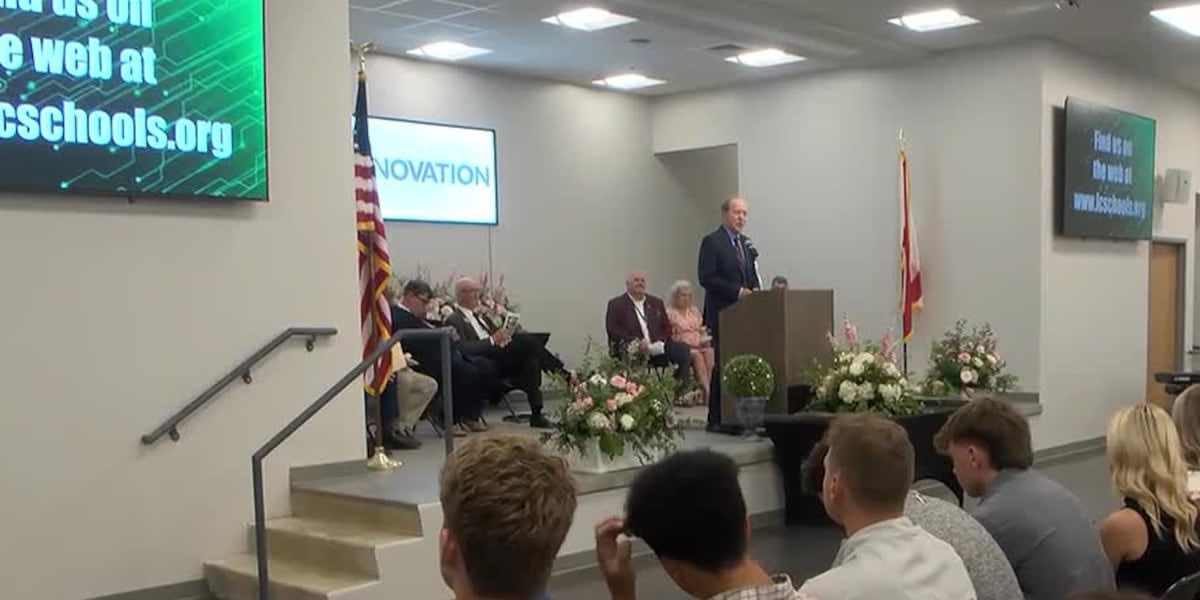
Worcester Public Schools, Massachusetts' second largest district, is now bringing this approach to every single biology classroom. Thanks to a grant from the Massachusetts Life Sciences Center, all 55 biology teachers received hands-on training and classroom kits. Instead of training teachers one at a time like previous efforts, Worcester equipped everyone at once.
The transformation started with one teacher. David Mangus first discovered these molecular biology sets at a conference and experienced the power of hands-on learning himself. When he became Worcester's science curriculum specialist, he brought the program to his entire district.
Why This Inspires
This story reminds us that sometimes progress means questioning the way we've always done things. Vandiver spent 25 years developing these teaching tools because she believed students deserved better than memorization.
The hands-on approach also levels the playing field. Every student, regardless of background, can build these models and grasp concepts that once seemed impossibly abstract. What the hands build, the mind retains.
Research backs up what Vandiver observed in classrooms: active learning experiences create memories that stick. Students aren't just memorizing sequences anymore. They're constructing genuine understanding, and they're actually enjoying the process.
Worcester is rewriting the playbook for how molecular biology gets taught, creating a generation of students who truly understand the proteins that build tissue, transport oxygen, fight infection, and carry out nearly everything our bodies do.
After decades in the shadows behind DNA's celebrity status, proteins are finally getting their moment in the spotlight.
Based on reporting by MIT News
This story was written by BrightWire based on verified news reports.
Spread the positivity!
Share this good news with someone who needs it