MIT Interns Tackle Ship Hacking and Linux Security Gaps
Two graduate students spent their summer at MIT Lincoln Laboratory developing defenses against maritime cyberattacks and making operating systems safer. Their breakthrough research is now continuing into the academic year, turning promising internships into real-world security solutions.
Two graduate students just turned summer internships into ongoing missions to protect ships from hackers and make computer operating systems more secure.
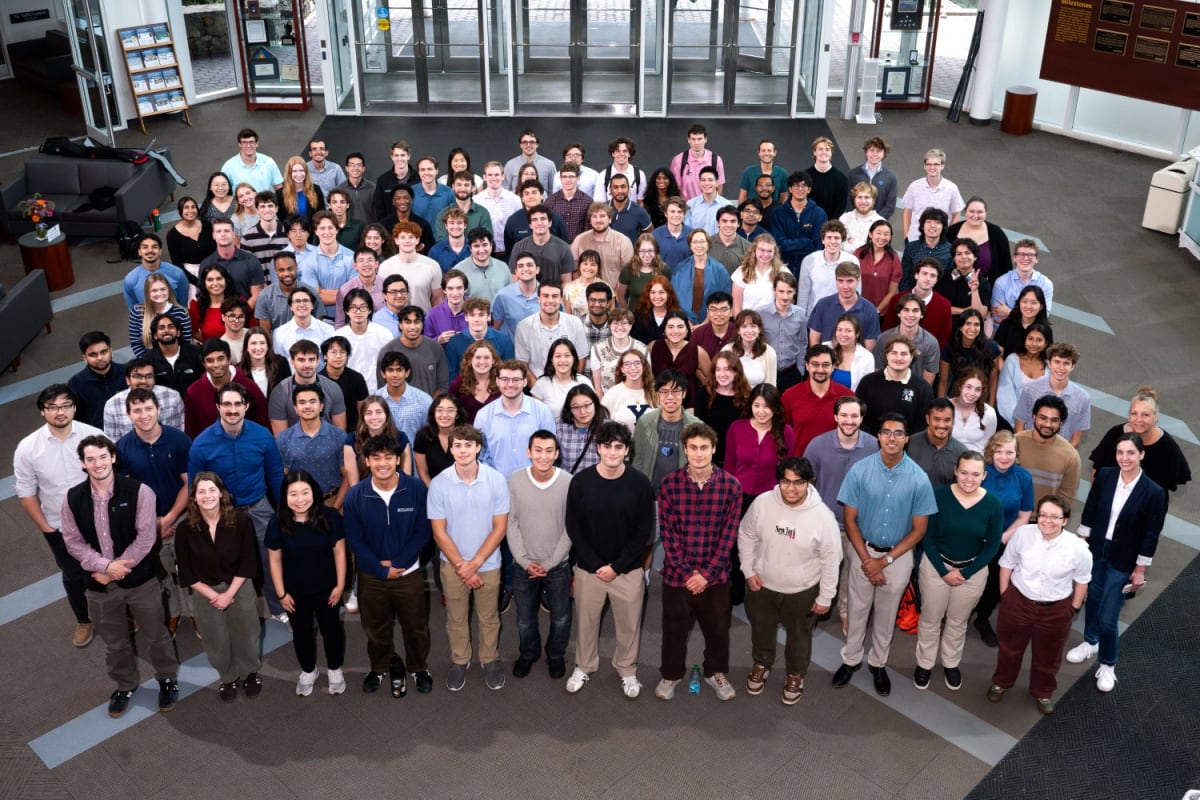
Anna Raymaker and Vivek Jagadeesh were among 170 interns at MIT Lincoln Laboratory this summer. Their work impressed researchers so much that they're staying on as student technical assistants, continuing their national security research during the 2026-27 school year.
Raymaker, a PhD student at Georgia Tech, focused on a problem that kept mariners up at night. Ships worldwide rely on the Automatic Identification System to avoid collisions by broadcasting their location and speed. But the system has a dangerous flaw: it doesn't verify anyone's identity.
"Mariners told me that AIS is their source of truth, so it was very scary when they experienced it being manipulated in the wild," Raymaker says. She discovered that hackers could send fake radio signals appearing to come from legitimate ships, potentially causing vessels to change course or hide their true locations.
Her research revealed several ways criminals could interfere with the system, including creating "ghost fleets" that disguise themselves to evade sanctions. Working with her advisor Hamed Okhravi, she then developed defenses against these false signals and built an experimental test bed to test solutions.
The Florida native got hooked on maritime security four years ago when her advisor offered her a project building a boat test bed. Now she's tackling another major threat: the malicious cutting of undersea internet cables.
Meanwhile, Jagadeesh worked on making Linux operating systems harder to hack. The Worcester Polytechnic Institute master's student developed a transpiler for Hardware-Assisted Kernel Compartmentalization, a technology that isolates different parts of an operating system so one breach can't compromise everything.
His tool makes it easier for the technology to work with existing software, bringing it closer to real-world use. Think of it as creating separate locked rooms in a house instead of one open floor plan where intruders can access everything at once.
The Ripple Effect
The laboratory's 2026 intern program earned recognition on Yello and WayUp's Top 100 Internship Program list and received their Public Service Award for meaningful work benefiting the public good. Nearly 170 interns worked across missile defense, cyber operations, advanced communications and quantum technologies.
"Our summer research program is a key pathway for developing talent to support defense-critical programs," says Robert Loynd, executive officer in the Director's Office. The laboratory embedded interns in research teams across nearly all mission areas.
Raymaker says the collaborative culture surprised her most. Mentioning her project in hallway conversations would prompt staff to connect her with relevant experts across the facility.
After graduation this spring, she plans to keep working through the security problems mariners shared with her: "Their job at sea is hard, and they deserve to be protected."
Based on reporting by MIT News
This story was written by BrightWire based on verified news reports.
Spread the positivity!
Share this good news with someone who needs it