MIT Professor Uses AI to Speed Up Scientific Discovery
An MIT materials scientist believes artificial intelligence is on the verge of transforming how we discover new materials and medicines. His lab has already created breakthrough materials for batteries, screens, and more.
Imagine if scientists could discover lifesaving medicines or game-changing materials in months instead of years. That future might be closer than you think, thanks to researchers like MIT's Rafael Gómez-Bombarelli.
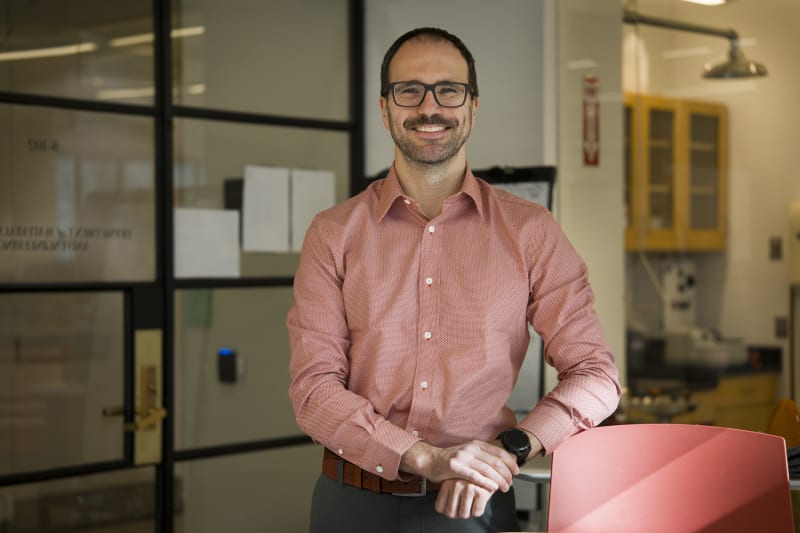
The newly tenured professor has spent over a decade using artificial intelligence to create new materials, from better batteries to brighter screens. Now he says we're hitting a major turning point where AI can supercharge scientific discovery across multiple fields at once.
"AI for science is about bringing a better future forward in time," Gómez-Bombarelli explains. Unlike other AI applications that raise ethical questions, using it to accelerate research offers clear benefits with few downsides.
His journey started in Spain, where he won a Chemistry Olympics competition in 2001. After earning his PhD, he discovered a passion for computer simulations that could model the same reactions he was testing in the lab, but without the physical limitations.
In 2015 and 2016, Gómez-Bombarelli became one of the first scientists to apply deep learning and generative AI to chemistry. His team ran hundreds of thousands of calculations to identify promising new materials, discovering hundreds worth testing in real labs.
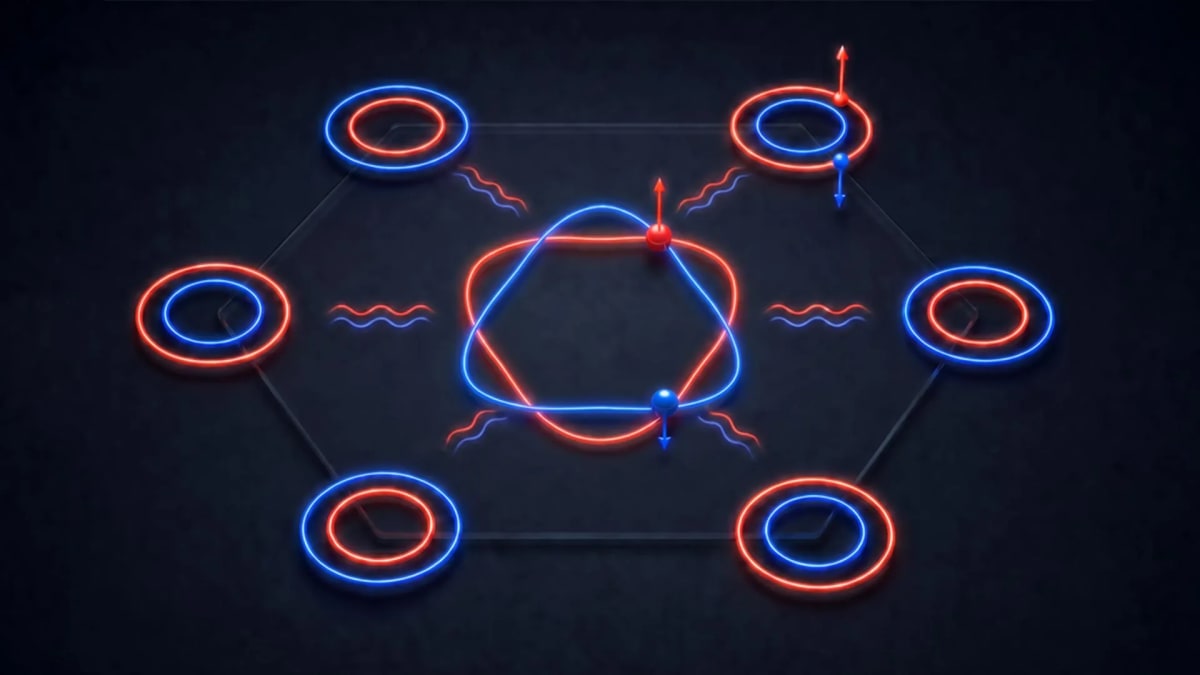
The approach works by combining physics-based simulations with machine learning. Instead of scientists manually testing thousands of possibilities, AI can predict which materials will work best before a single experiment runs.
His research has already produced real-world results. New materials from his lab are improving organic light-emitting diodes, the technology behind many smartphone and TV screens. Other discoveries are advancing battery technology and catalysts for chemical reactions.
Beyond MIT, Gómez-Bombarelli is putting his research into practice. He's co-founded multiple companies and advises startups working on AI-powered drug discovery and robotics. His latest venture, Lila Sciences, aims to build what he calls a "scientific superintelligence platform" for life sciences, chemicals, and materials.
The Ripple Effect
The implications stretch far beyond any single lab. When AI can reason about molecular structures, chemical reactions, and scientific language all at once, it could revolutionize how quickly we solve major challenges. New medicines could reach patients faster. Better batteries could accelerate the clean energy transition. Stronger, lighter materials could transform construction and manufacturing.
Gómez-Bombarelli believes we're entering a second wave of AI-powered science, one that merges multiple types of data and reasoning into systems that can tackle complex problems holistically. The first wave around 2015 brought generative AI and high-throughput data to science. This next wave promises even bigger leaps.
The work represents a fundamental shift in how science gets done. Programming and simulations organize thinking in new ways, freeing researchers from the constraints of what they can physically build or measure in a lab.
For a field that has relied on trial and error for centuries, AI offers a faster path to the discoveries that could improve millions of lives.
Based on reporting by Google: scientific discovery
This story was written by BrightWire based on verified news reports.
Spread the positivity!
Share this good news with someone who needs it