MIT Program Brings Climate News to 3 Million Local Readers
A fellowship program has helped 20 local journalists publish 104 climate stories that reached nearly 3 million people in their own communities. MIT gives reporters the science training and support they need to tell climate stories that matter to their neighbors.
Local reporters across America are bringing climate change closer to home, and MIT is giving them the tools to do it right.
Since 2021, the MIT Environmental Solutions Journalism Fellowship has trained 20 journalists from local newsrooms to report on climate change through the lens of their own communities. Together, they've published 104 stories that have reached nearly 3 million readers and listeners.
The program fills a critical gap. Americans trust their local news sources more than national outlets, but small newsrooms rarely have the resources to maintain dedicated climate reporters.
MIT provides fellows with crash courses in climate science, access to interactive climate models, and support from science editors. Then these journalists go back to their communities and tell stories that connect global climate change to local lives.
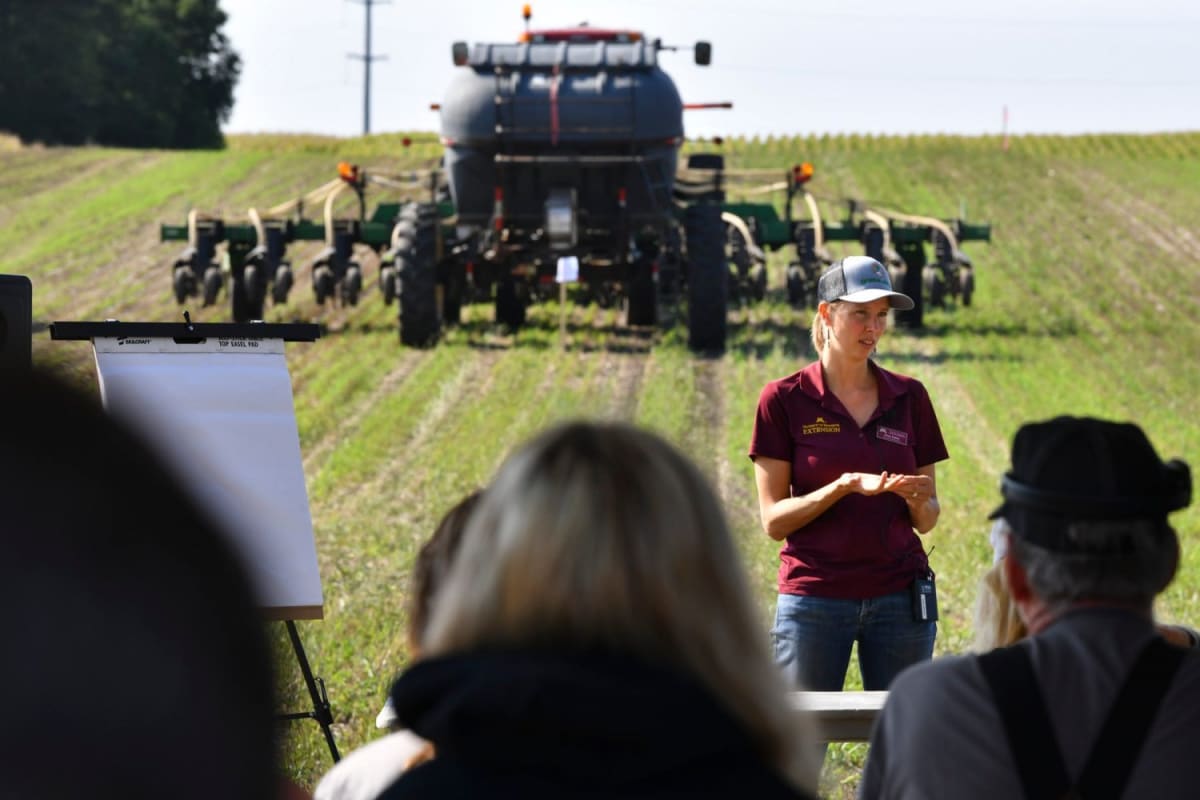
The results speak for themselves. A reporter in Minnesota covered how farmers are exploring carbon credit markets. A journalist in Kentucky documented coal country's economic transition. In Texas, a fellow explained how climate change is pushing the state's "wet dry line" eastward, affecting farms and ranches.
The program doesn't just chase big audiences. It works with newspapers, radio stations, and online outlets of all sizes. Some reach hundreds of thousands of readers. Others serve smaller but equally important communities.
Karina Atkins at the Chicago Tribune investigated how federal policies have prevented Illinois farmers from diversifying their crops for a warming climate. Meanwhile, Carolyn Beans at Lancaster Farming gave dairy farmers detailed information about the market for climate-smart milk.
"We don't ask how big your audience is," says Aaron Krol, who leads the Climate Change Engagement Program at MIT. "We ask who you're going to reach, and how you're going to connect climate change to their lives and livelihoods."
The Ripple Effect
The impact goes beyond individual stories. Newsrooms are dedicating more resources to climate coverage after seeing the response. Fellows are pivoting to full-time energy and environment beats. Some outlets have launched entirely new climate reporting initiatives.
The program proves that quality climate journalism doesn't have to come from big national outlets with dedicated climate desks. Local reporters already know their audiences' needs and perspectives. They just need the scientific training and support to tell these stories well.
Every year, the fellowship receives applications from journalists holding onto climate story ideas, waiting for the chance to pursue them. The demand shows how many local reporters understand that climate change matters to their communities and want to cover it seriously.
MIT's approach treats local journalists as trusted messengers who can spark informed conversations about climate solutions in every corner of the country.
Based on reporting by MIT News
This story was written by BrightWire based on verified news reports.
Spread the positivity!
Share this good news with someone who needs it