MIT Scientists Create Chemical Method to Help Crops Thrive in Harsh Conditions
Researchers at MIT's Whitehead Institute have discovered an innovative and accessible way to help crops develop resilience to drought, heat, and poor soil conditions. Their breakthrough chemical method could revolutionize farming in challenging climates and bring hope to communities that depend on underutilized crops like pigeon pea.
In a discovery that could transform agriculture for millions of people worldwide, scientists at the Whitehead Institute for Biomedical Research have developed a remarkably simple method to help crops adapt to challenging growing conditions. The breakthrough offers new hope for farmers facing drought, salty soils, and rising temperatures.
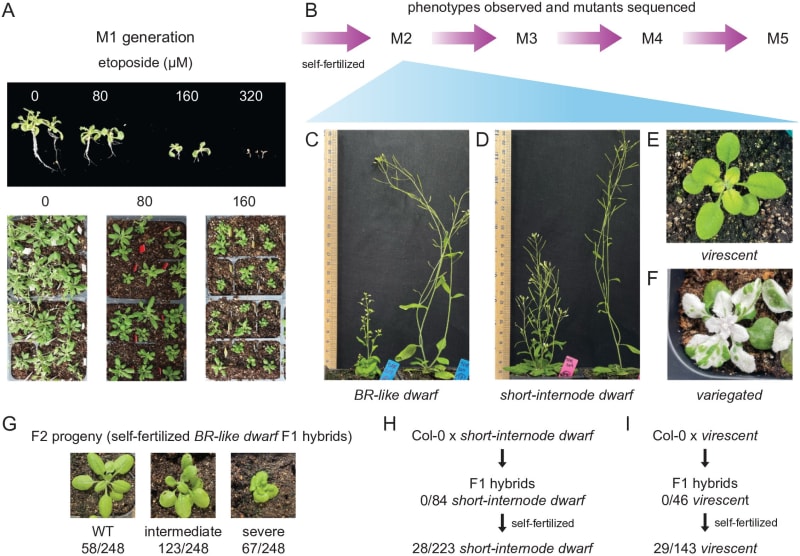
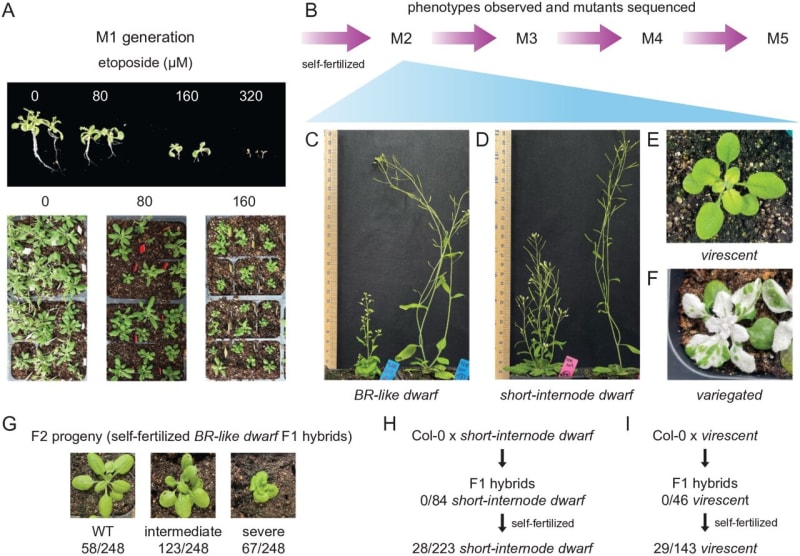
Professor Mary Gehring and her team at MIT have found that a common chemotherapy drug called etoposide can safely introduce beneficial genetic variations in plants, opening doors to crops that can thrive where they previously struggled. What makes this discovery particularly exciting is its accessibility. Unlike traditional methods that require expensive radiation equipment and extensive regulatory approvals, this new approach uses standard laboratory tools that researchers around the world can easily adopt.
The process itself is wonderfully straightforward. Scientists simply germinate seeds in growth medium containing the drug, then transfer the seedlings to soil where they complete their natural life cycle. The results have been remarkable. When Gehring's team tested the method on Arabidopsis thaliana, a plant commonly used in genetic research, roughly two-thirds of the treated plants showed beneficial changes, including variations in leaf shape, plant size, and other traits that could prove valuable in agriculture.
"I was surprised at how efficient it was," Gehring shares warmly. "The diversity of new traits that you could see just by looking at the plants in the first generation was extensive."
The Ripple Effect extends far beyond the laboratory. Gehring's team is now applying this technique to pigeon pea, a nutritious legume that serves as a vital protein source for communities across Asia and Africa. Pigeon pea is naturally drought-tolerant, but centuries of selective cultivation have reduced its genetic diversity, limiting its potential. This new method could change that dramatically.
The researchers are currently screening treated pigeon pea plants for salt tolerance, a trait that could allow the crop to flourish in coastal areas and regions with saline soils where food security remains a challenge. Although pigeon pea takes longer to grow than laboratory plants, the team has already reached their second generation of plants and identified several promising lines showing strong performance in salty conditions.
What makes this breakthrough especially heartening is its potential to support so-called orphan crops, underutilized species that receive limited research attention despite their importance to local food systems. These crops often lack the genetic variation needed for traditional breeding programs, leaving farming communities with limited options as climate conditions shift.
The chemical method also offers advantages for crops that are difficult to modify using precise gene-editing tools like CRISPR, which can be technically challenging for many plant species. Rather than replacing existing genetic tools, this new approach complements them, providing researchers with more options to develop resilient crop varieties.
Looking toward the future, Gehring's laboratory plans to create comprehensive collections of plant mutants with well-characterized genetic variations. These resources will help researchers worldwide understand which genetic changes produce which beneficial traits, accelerating the development of crops that can feed communities even as environmental conditions become more challenging.
For farmers and communities that depend on agriculture in difficult climates, this accessible, affordable method represents genuine hope for a more food-secure future.
More Images

Based on reporting by Phys.org
This story was written by BrightWire based on verified news reports.
Spread the positivity! 🌟
Share this good news with someone who needs it
More Good News
 Innovation
Chinese Scientists Create Mini-Womb Breakthrough That Could Help Millions Conceive
 Innovation
Illinois Scientists Turn Sugar Into Eco-Friendly Chemicals Worth $20 Billion
 Innovation
Berkeley Scientist Launches CRISPR Startup to Bring Personalized Gene Therapy to Rare Disease Patients
DAILY MORALE
What did the thermometer say to the graduated cylinder?
EXPLORE INTEL
DAILY INSPIRATION
Hope is the thing with feathers that perches in the soul and sings the tune without the words and never stops at all.
Emily Dickinson