MIT Steel Powers Formula One Winners, Now Student Race Cars
A revolutionary steel designed at MIT in the 1980s conquered Formula One racing and is now coming home to power student-built race cars. The same material that gave Red Bull four world championships will compete this June in MIT's electric vehicle.
A steel alloy designed on MIT computers over a single weekend in the 1990s just helped Red Bull Racing win four Formula One world championships.
Now that same super-steel is powering the university's own student race team, bringing a decades-long success story full circle.
Professor Gregory Olson started the MIT Steel Research Group in 1985 with a radical idea: use computers to design new materials instead of endless trial and error in the lab. Nobody knew if it would work, but the approach eventually sparked a national movement that President Obama formalized as the Materials Genome Initiative in 2011.
The breakthrough came when the Army asked Olson's team to create better steel for helicopter gears. A PBS documentary crew filming that project asked Olson if the technology could help race cars too.
He designed Ferrium C61 in a single weekend. The steel had the surface hardness of conventional gear steel but the core strength of armor plating.
Baja 1000 off-road racers tested it first. Their dune buggies would launch over sand dunes with wheels spinning, then slam back to earth with crushing force on the drive gears.
Before Ferrium C61, conventional steel gears lasted an average of 0.6 races. The new steel extended that to six races, a tenfold improvement.
Formula One teams took notice. Gearbox failures were the leading mechanical problem plaguing the sport's most elite cars.
Red Bull Racing adopted Ferrium C61 for their gearsets and never experienced another gearbox failure. They went on to claim four world championships in the following decade.
The Ripple Effect
The MIT Motorsports team heard about their professor's champion steel and approached Olson last year. QuesTek Innovations, the materials design company Olson co-founded to commercialize the steel, sold them a sample at a steep discount.
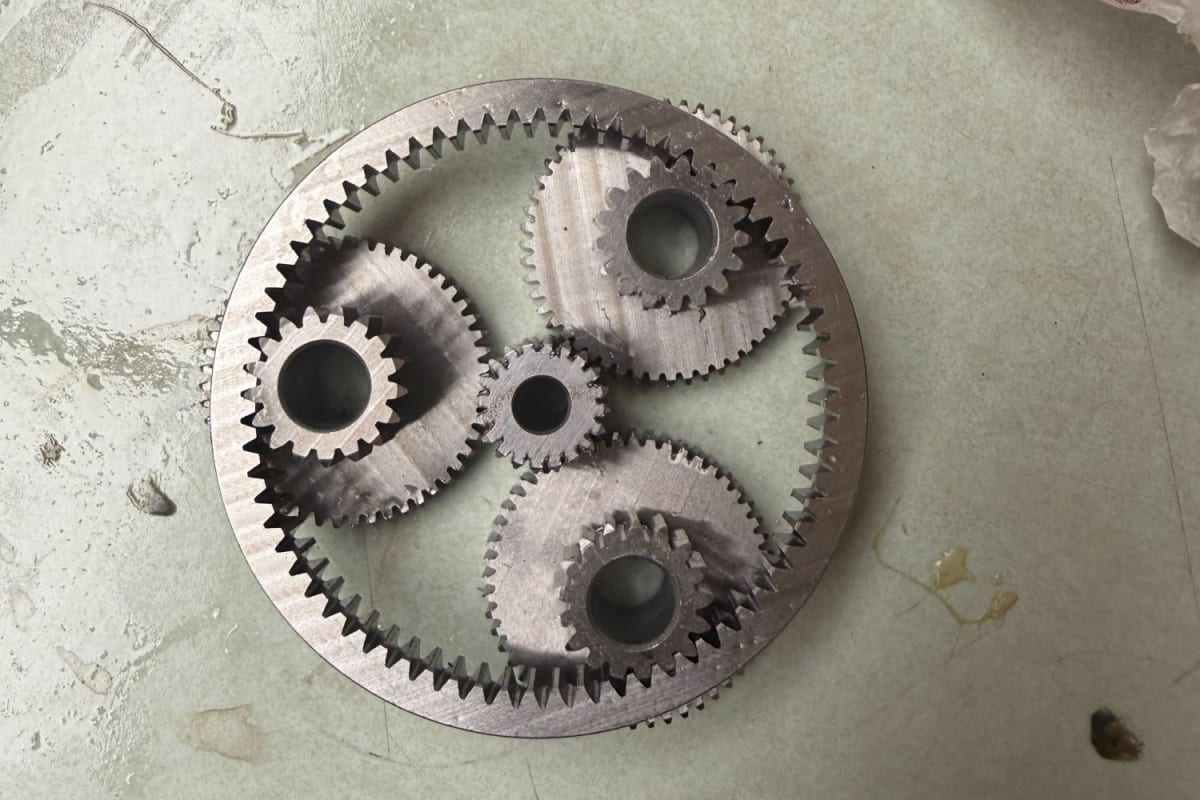
The mostly undergraduate students didn't just install the gears. They manufactured them from scratch, heat-treating the steel themselves following Olson's instructions.
Their electric race car will compete against other universities in the Formula SAE Electric competition this June. The vehicle represents more than engineering skill: it showcases how computational design transforms ideas into championship-winning reality.
From Army helicopters to Baja dune buggies to Formula One podiums to student workshops, one material has proven that smart design beats brute force trial and error. What started as an unproven concept in 1985 now powers victories at every level of racing.
MIT students are taking their professor's legacy for a victory lap.
Based on reporting by MIT News
This story was written by BrightWire based on verified news reports.
Spread the positivity!
Share this good news with someone who needs it