MIT Student Turns Sewage Into Cement, Cuts Methane Emissions
A PhD student from rural Tennessee discovered how to transform wastewater treatment from a climate problem into a solution. His method converts two waste products into useful materials while slashing greenhouse gas emissions. ##
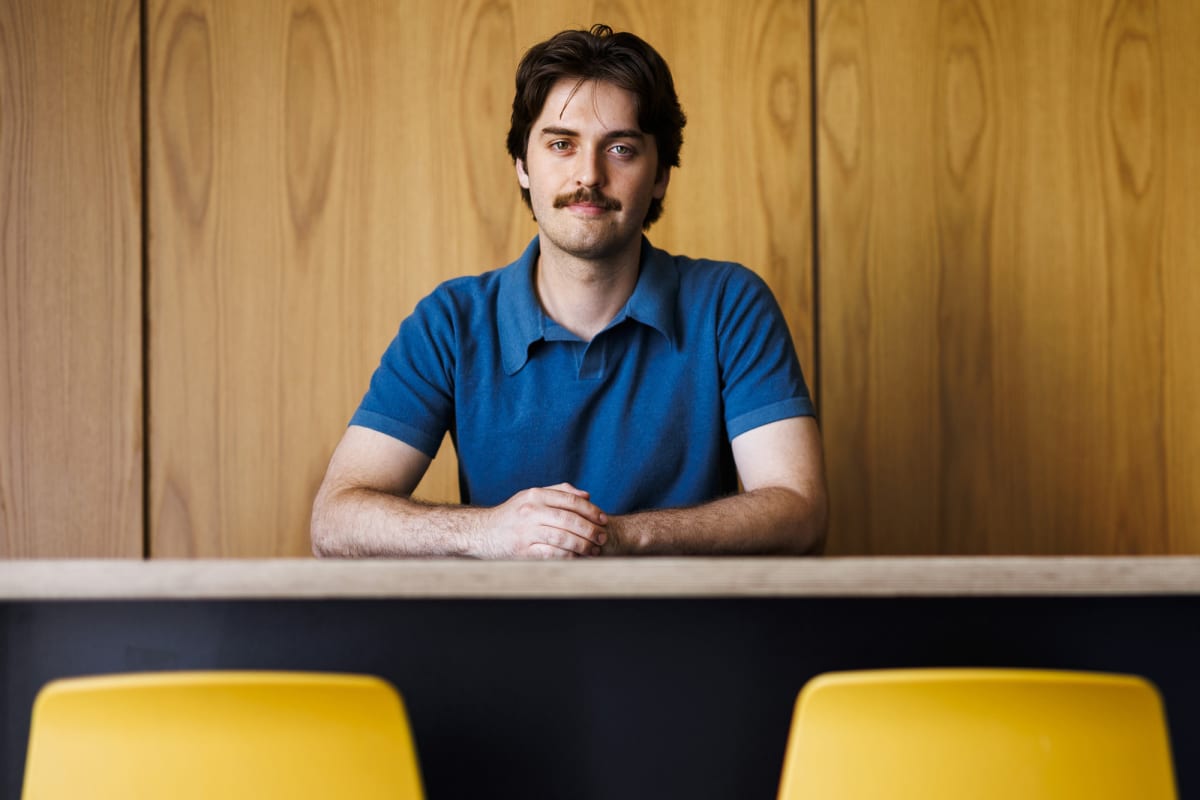
Gage Coon grew up raising chickens and exploring the woods of Waverly, Tennessee, never imagining he'd one day help solve one of wastewater treatment's biggest climate challenges.
Now a third-year PhD student at MIT, Coon has discovered a way to stop methane emissions from sewage treatment plants while creating valuable materials in the process. His breakthrough could transform how cities handle waste worldwide.
The problem starts in giant tanks called anaerobic digesters, where microbes break down sewage. These helpful organisms produce methane, a greenhouse gas 80 times more potent than carbon dioxide. Every wastewater plant becomes an accidental climate polluter.
Coon's solution is surprisingly elegant. By adding gypsum (a waste product from fertilizer manufacturing) to the digesters, he changes what the microbes produce. Instead of releasing methane into the atmosphere, the microbes now create carbonate, which manufacturers use to make cement, pharmaceuticals, and agricultural products.
The process creates a bonus product too: elemental sulfur, essential for making fertilizers. Currently, the world gets this sulfur from oil and gas refinement, but Coon's method provides a cleaner source.
As a first-generation college student, Coon didn't learn that PhD programs existed until several years into his undergraduate studies at the University of Tennessee. When he discovered academic research, the possibilities thrilled him. "Oh my god, constant learning," he remembers thinking. "That is exactly what I want to do forever."
His path from high school chemistry class to MIT's Department of Earth, Atmospheric and Planetary Sciences wasn't straightforward. But his hands-on upbringing, learning to fix things with his mechanic father and exploring nature with his mother, taught him to see systems and solutions.
Coon has taken his research beyond the lab, joining ocean research cruises to study microbes in their natural environment. Standing in the middle of the Atlantic Ocean, studying methane seeps on the continental slope, gave him new perspective on the invisible organisms shaping our planet.
THE RIPPLE EFFECT
The implications extend far beyond individual treatment plants. Cities worldwide process billions of gallons of wastewater daily, and each facility could potentially adopt this technology. The method addresses three challenges simultaneously: reducing greenhouse gases, creating useful construction materials, and producing fertilizer components without relying on fossil fuels.
The timing matters too. As countries search for practical climate solutions that don't require abandoning existing infrastructure, retrofitting current wastewater systems offers a faster path than building entirely new facilities. Coon's approach works within systems cities already operate.
Working with advisor Tanja Bosak, a professor of geobiology, Coon continues refining the process and exploring other ways microbes can help address environmental challenges. The kid who once raised an emu named Big Bird in rural Tennessee is now at the forefront of turning invisible organisms into climate heroes.
##
Based on reporting by MIT News
This story was written by BrightWire based on verified news reports.
Spread the positivity!
Share this good news with someone who needs it