World's First: 5,000 Wild Penguins Get Bird Flu Vaccines
Teams on an Australian beach are vaccinating thousands of wild penguins against deadly bird flu in a world first program. The tiny birds waddle ashore each night into the arms of scientists racing to protect them before the virus spreads.
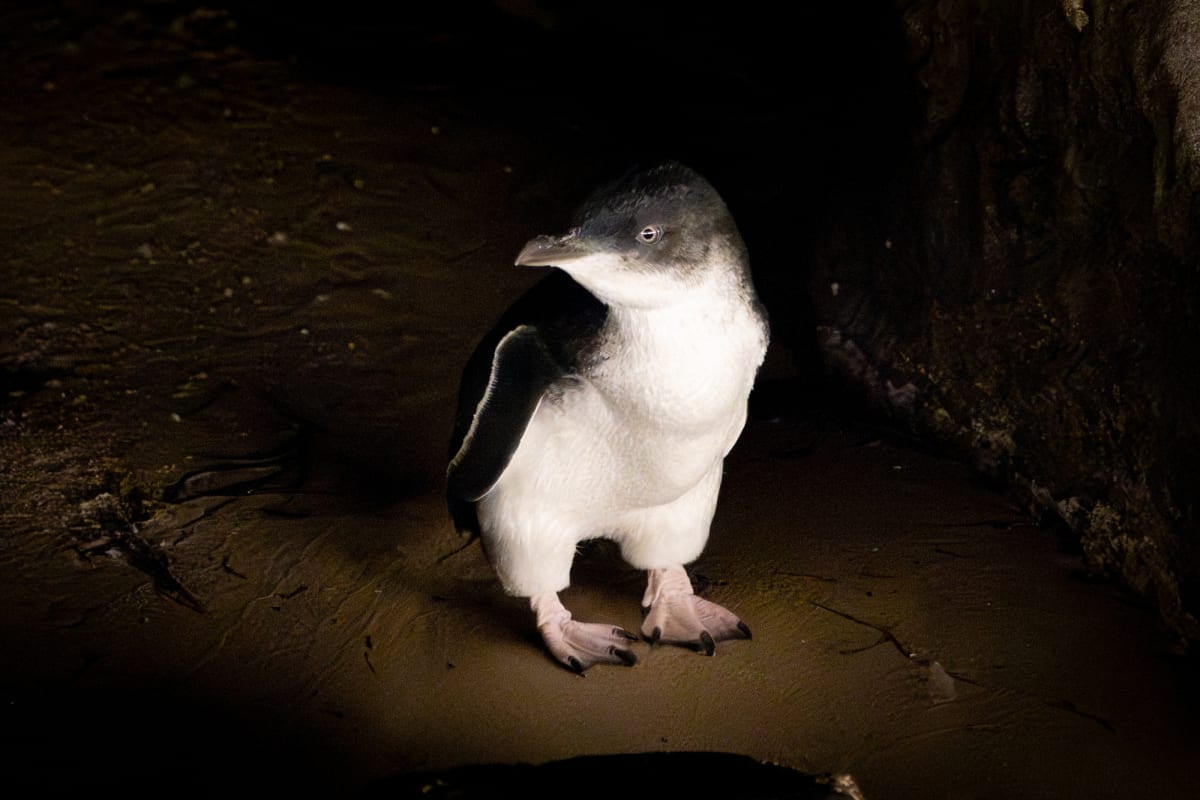
Every evening on Phillip Island, something remarkable happens as the sun sets. Thousands of ruler-sized penguins emerge from the ocean and march up the beach to their burrows, and this year, they're walking into the world's largest wild bird vaccination program.
Over the past two weeks, teams have gently guided more than 1,000 little penguins into small pens as they came ashore. Each bird gets weighed, measured, microchipped, and vaccinated against H5N1 bird flu before continuing home for the night.
The goal is to protect 5,000 penguins across two colonies before deadly bird flu sweeps through. Each bird needs two shots, spaced three weeks apart, and scientists are racing the clock.
"This is the first time anyone around the world has attempted something like this at this scale," said Catherine Basterfield, who leads Phillip Island Nature Parks. The penguins' predictable nightly routine makes this ambitious plan possible, though she admits the birds aren't always easy to handle.
The stakes are heartbreakingly high. On nearby King Island, 51 penguins died after one tested positive for the virus. Without vaccination, up to 16,000 little penguins could die in a worst-case outbreak.
These pint-sized birds already face mounting challenges from climate change: fiercer storms, rising seas, and food sources that keep moving. Now bird flu adds another threat to species already stretched thin.
Researchers chose little penguins for this groundbreaking effort because they're one of the few wild species where vaccination is actually possible. They nest in colonies and return to the exact same burrows every single night, which means scientists can find and treat the same birds twice, three weeks apart.
Most of the hundreds of other species threatened by bird flu can't be reached that way. Getting to wild birds once is hard enough, let alone twice on a schedule.
Why This Inspires
This program proves we're not powerless against new wildlife threats. Scientists took a devastating problem and found a creative solution by working with the penguins' own behavior instead of against it.
The 40,000 penguins on Phillip Island draw 700,000 visitors yearly and contribute $500 million to the local economy, but that's not why this matters most. It matters because we're choosing to protect species before they reach crisis levels, not after.
Officials stress the vaccine isn't a magic solution and strong biosecurity remains critical. But watching teams wait on beaches each evening to protect penguins one by one shows what's possible when we combine science, patience, and genuine care for the species we share this planet with.
Thousands of tiny penguins are marching toward immunity tonight, and that's worth celebrating.
Based on reporting by Optimist Daily
This story was written by BrightWire based on verified news reports.
Spread the positivity!
Share this good news with someone who needs it