MIT Students Lead $1M Properties, Build Lifelong Bonds
Nearly 37% of MIT undergraduates are learning to manage multimillion-dollar properties, coordinate with vendors, and lead organizations while still in college. Their secret? Fraternities, sororities, and independent living groups that function like small businesses.
While most college students are figuring out how to do laundry, some MIT undergraduates are managing multimillion-dollar properties and leading organizations with budgets that would make a seasoned professional nervous.
Nearly 37 percent of MIT students join one of the Institute's 44 fraternities, sororities, or independent living groups. These aren't just places to hang out between problem sets.
Student leaders spend over 10 hours weekly overseeing budgets, coordinating building maintenance, communicating with vendors, and organizing safety inspections for properties that have housed MIT students for more than a century. They're learning skills most people don't develop until years into their careers.
Tea Picconatto, chapter president of Pi Beta Phi, credits her leadership role with landing two internships. "The experience has been valuable in demonstrating leadership and responsibility to future employers," she says.
Anya Kattef, who graduated in 1998 and now directs FSILG Alumni Programs, found more than academic survival strategies in Alpha Phi. She progressed through athletic chair, house manager, and president roles, gaining confidence to thrive in MIT's demanding environment.
The mentorship she received helped her secure her first summer internship and navigate opportunities she might have overlooked. Those friendships became lifelong bonds that continue enriching her life decades later.
Service runs through every organization like a common thread. Members partner with causes from heart health research to literacy initiatives, building local connections with Boston Area Rape Crisis Center, Rosie's Place, and animal welfare organizations.
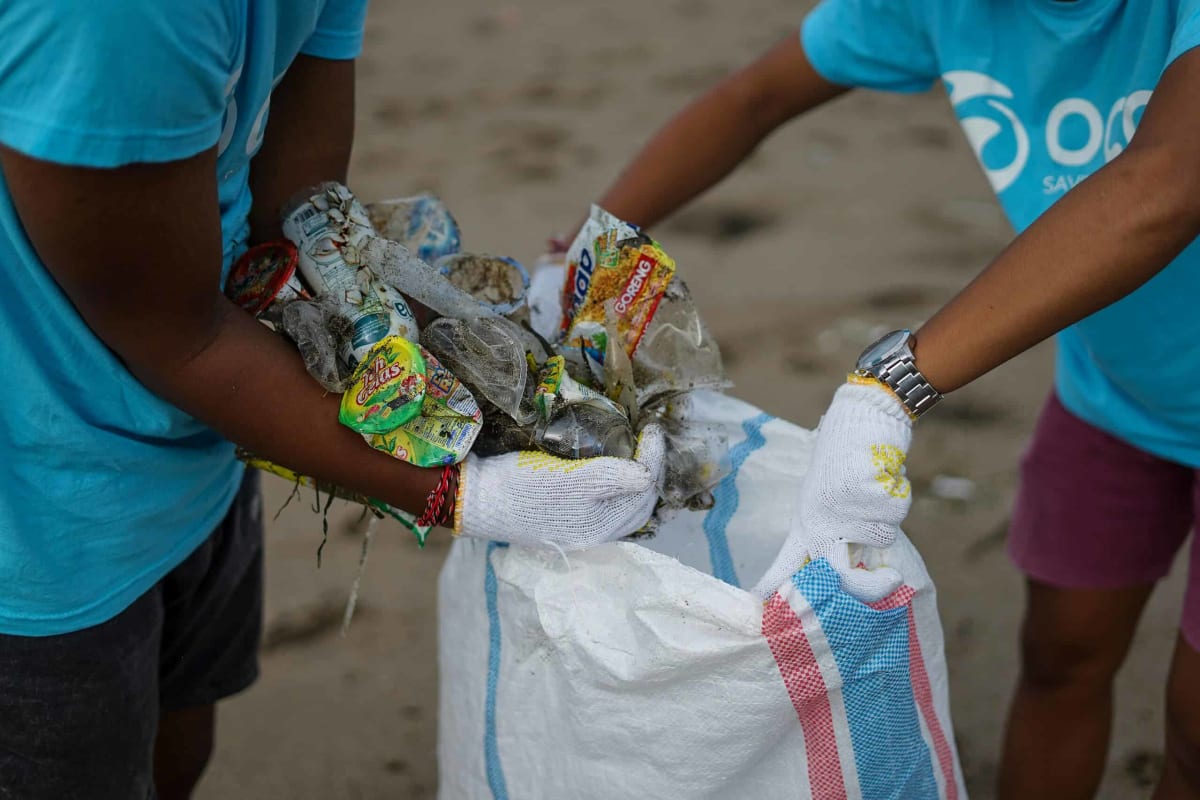
Some culturally based fraternities and sororities require prospective members to demonstrate volunteer work before joining. Others weave service into daily life, organizing Back Bay alley cleanups throughout the year.
The Ripple Effect
These student leaders aren't just preparing for future careers. They're actively practicing conflict resolution, delegation, budgeting, and time management while earning their degrees.
They attend quarterly training covering everything from snow removal to liability insurance. They sit at decision-making tables with senior Institute leaders and alumni volunteers, learning to model the behavior they expect from peers.
House managers coordinate with vendors, oversee chores, and maintain century-old buildings. Presidents run meetings, manage recruitment, and organize educational programming for their communities.
The leadership skills developed in these living groups create professionals who know how to manage people, budgets, and properties before they even receive their diplomas. These students are building both the technical skills MIT is famous for and the soft skills that transform capable graduates into exceptional leaders.
Based on reporting by MIT News
This story was written by BrightWire based on verified news reports.
Spread the positivity!
Share this good news with someone who needs it