MIT's 25-Year-Old Health Database Powers 15,000 Studies Yearly
A visionary data-sharing platform born from cassette tapes mailed in 1980 now helps researchers in 180+ countries accelerate medical breakthroughs. PhysioNet celebrates 25 years as one of the world's most comprehensive health data repositories.
Before cloud storage revolutionized science, a team at MIT and Boston's Beth Israel Hospital had a radical idea: what if researchers could share medical data instead of collecting it all themselves?
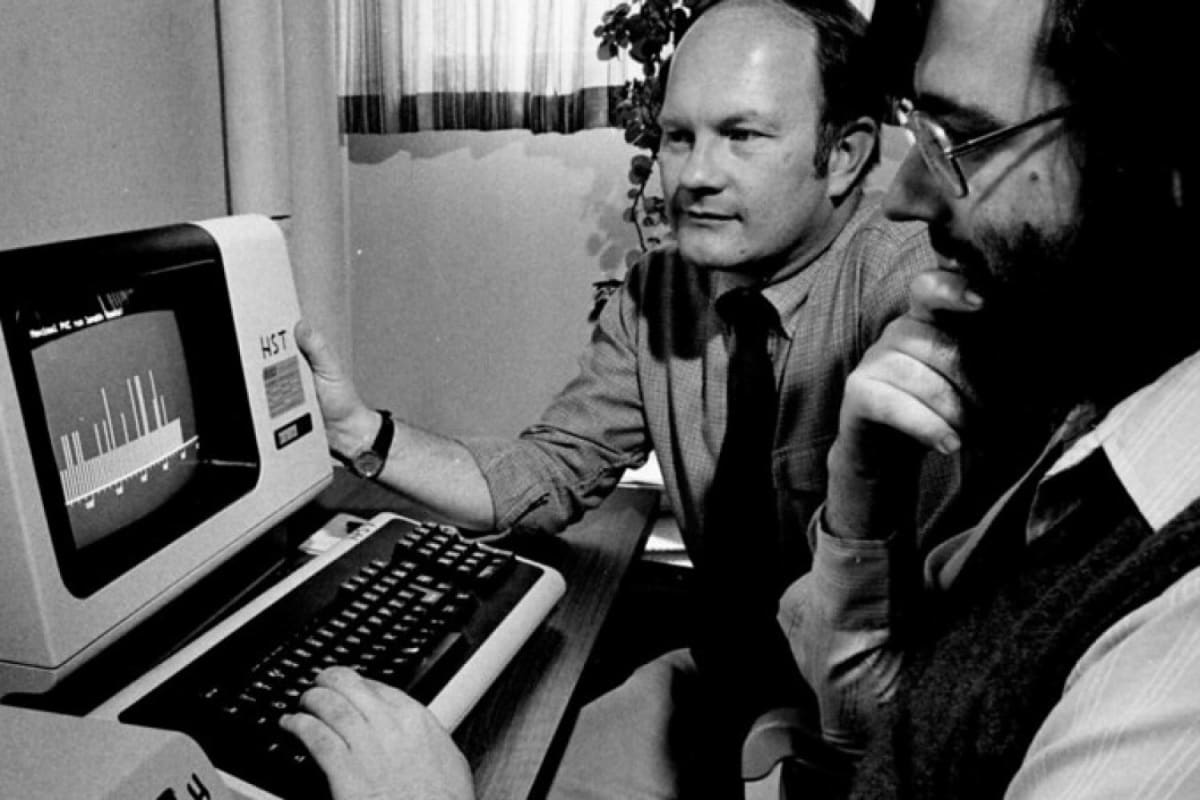
In 1975, they started recording and digitizing heart rhythms, building their own computers and creating over 100,000 annotations by hand. The work took five years, but by 1980, they were mailing cassette tapes of electrocardiogram recordings to anyone who wanted them.
The team expected maybe a dozen groups would be interested. Instead, they sent out 100 copies over the next decade, and demand kept growing.
That collection of tapes became the foundation for PhysioNet, launched in 1999 at the Harvard-MIT Program in Health Sciences and Technology. At the time, freely sharing clinical data was almost unheard of in medical research.
Fast forward to today: PhysioNet hosts hundreds of databases and serves users from more than 180 countries. Last year alone, over 15,000 scientific publications cited the platform, making it one of the most comprehensive biomedical data repositories in the world.
"The founding was incredibly visionary," says Thomas Heldt, a professor at MIT's Institute for Medical Engineering and Science. "It is really beautiful to see that such a vision has proven right and so enabling for so many people."
The platform solved a critical problem for researchers like Tom Pollard, who needed patient data for his PhD dissertation in 2009 but couldn't access it easily at his London hospital. He discovered PhysioNet's MIMIC database of de-identified health records online, flew to Boston to meet the founders, and eventually joined MIT to help build the next generation of the platform.
The Ripple Effect
PhysioNet's impact reaches far beyond academic papers. Researchers, medical device manufacturers, and clinical decision-makers worldwide now use the platform to develop better treatments and technologies without duplicating expensive data collection efforts.
The late Roger Mark and George Moody, PhysioNet's co-founders, recently received the prestigious IEEE Biomedical Engineering Award for their contributions. Mark described the platform's purpose as building an "accessible multinational community around data" to "positively impact global health."
What started with researchers duplicating cassette tapes one by one has become the gold standard for medical data sharing. From tapes to CDs to internet servers, PhysioNet has evolved alongside technology while staying true to its original mission: making medical research faster, cheaper, and more collaborative.
Twenty-five years later, those vision-driven scientists have created a lasting legacy that accelerates medical discoveries and ultimately saves lives around the globe.
Based on reporting by MIT News
This story was written by BrightWire based on verified news reports.
Spread the positivity!
Share this good news with someone who needs it