MIT's 3D-Printed Objects Change Appearance Without Electronics
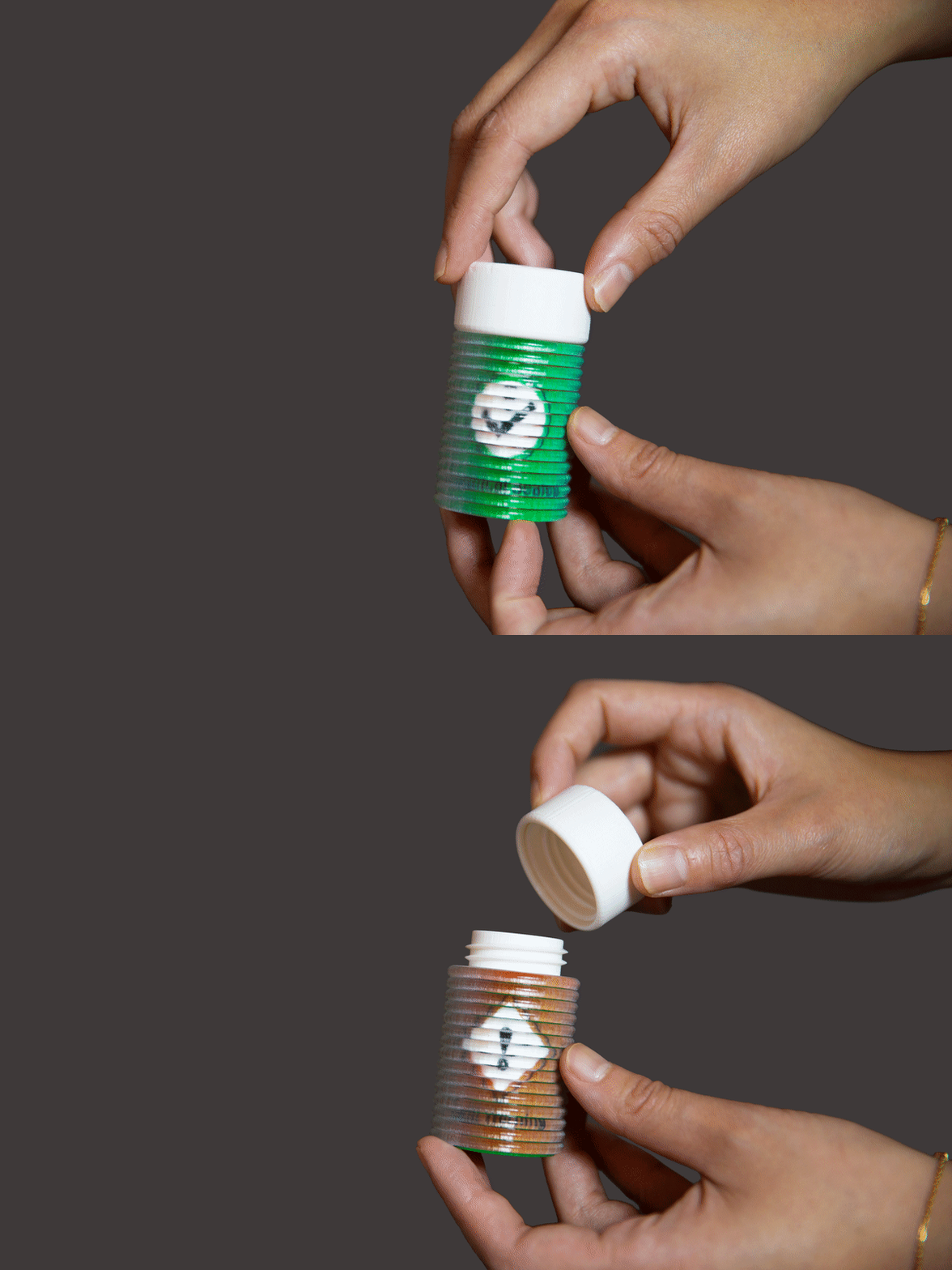
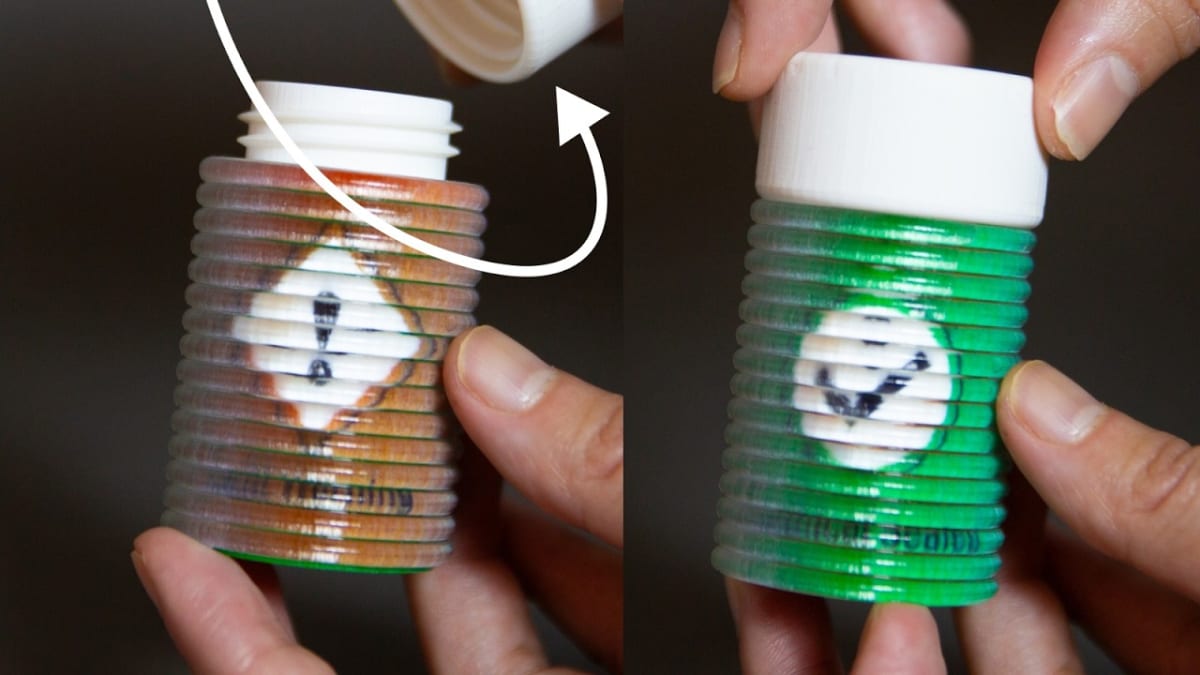
MIT researchers created a 3D printing system that makes everyday objects visually change when you interact with them, no batteries or screens required. A chemical bottle could alert scientists when its lid isn't secure, preventing dangerous spills.
Imagine a warning label that shifts its message when you turn it the wrong way, or a medicine bottle that changes color when opened incorrectly.
MIT researchers just made this possible with a new 3D printing system called ShiftLens. It creates objects that change their appearance when you press, slide, or turn them, all without a single electronic component.
The technology works through a clever combination of two layers. A lens layer sits on top of a patterned backplane, and when you move the object, different images come into view through tiny curved lenses that magnify specific parts underneath.
Graduate student Yunyi Zhu and her team designed the system to be simple enough for anyone to use. People without technical expertise can now create interactive objects that would have previously required complicated electronics and programming.
The practical applications are already exciting scientists and designers. Chemical bottles could warn lab workers when lids aren't properly secured. Shipping packages could show if fasteners came loose during transport. Warning signs could withstand harsh weather without fragile circuits breaking down.
The Ripple Effect
This breakthrough solves a problem that's plagued interactive design for years. Traditional electronic displays break when exposed to water, chemicals, or physical stress. ShiftLens objects can handle all of that because they're entirely mechanical.
The system also speeds up prototyping for artists, architects, and engineers who want to test interactive designs quickly. Instead of waiting for custom electronics, they can print a working prototype in a single pass on a multimaterial 3D printer.
The user-friendly design tool handles all the complex optical and mechanical calculations automatically. Designers just input the images they want to display and the shape they're creating. The system figures out how to align the lenses, mechanical parts, and visual patterns perfectly.
The researchers presented their work at the ACM Symposium on User Interface Software and Technology. Team members included undergraduate Dingning Cao, graduate student Jeremy Mrzyglocki from the Technical University of Munich, Professor Stefanie Mueller, and postdoc Narjes Pourjafarian from Northeastern University.
The technology opens doors for safer laboratory equipment, more reliable outdoor signage, and creative new products that respond to how we use them. Making interactive objects safer, simpler, and more accessible might just change how we design everyday things.
More Images
Based on reporting by MIT News
This story was written by BrightWire based on verified news reports.
Spread the positivity!
Share this good news with someone who needs it