MIT's AI System Helps Predict Self-Driving Car Mistakes
MIT researchers created technology that lets people understand why autonomous vehicles make decisions, helping passengers predict and prevent accidents. Real-world tests show it works.
Imagine sitting in a self-driving car when it suddenly brakes for no clear reason, blocking an ambulance. Now MIT researchers have created a system that helps humans understand and anticipate these potentially dangerous moments before they happen.
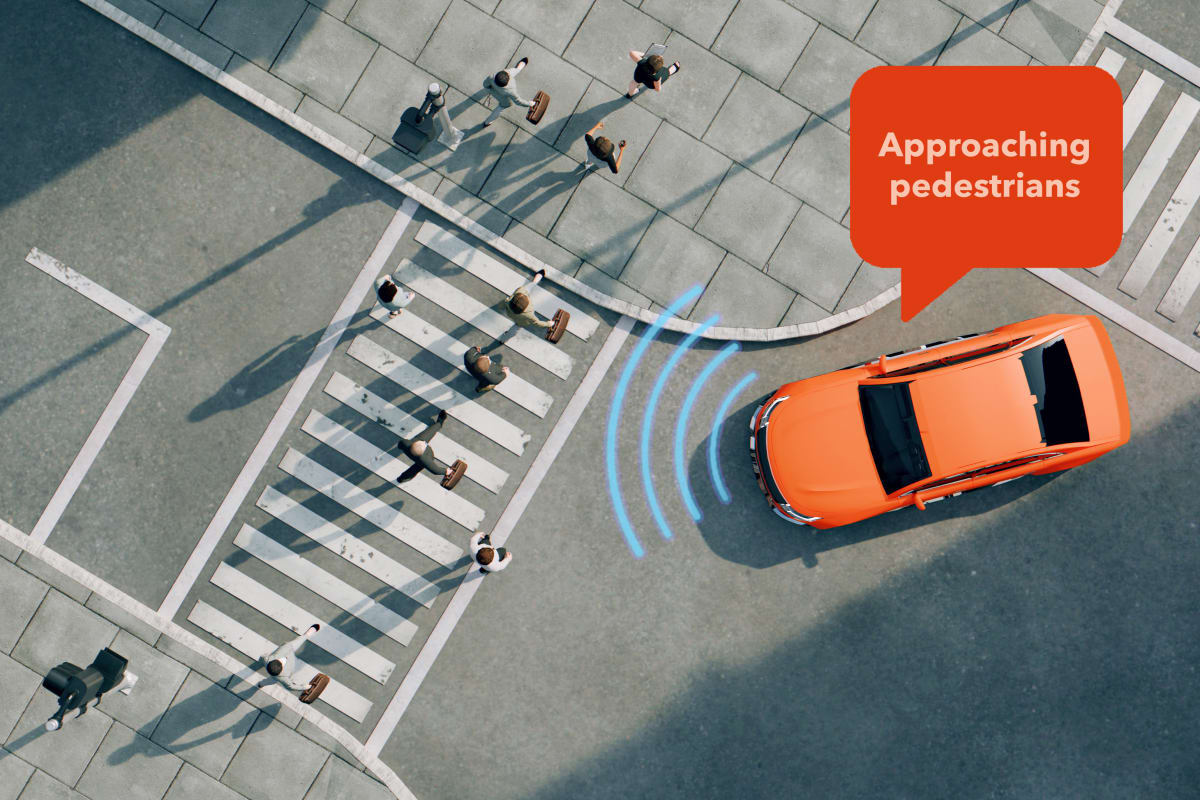
The new technology, called CW-Net, translates the mysterious thinking of autonomous vehicle AI into simple, real-time explanations. Instead of wondering why your car just stopped, you'd see clear reasons like "approaching stopped vehicle" or "close to cyclist" displayed as they happen.
MIT teamed up with Motional, an autonomous vehicle company, to solve a critical safety problem. Self-driving cars use complex deep learning models that act like black boxes, making decisions humans can't predict or understand until it's too late.
CW-Net plugs directly into existing self-driving systems without changing how the car drives. It works like a translator, converting the AI's complex reasoning into concepts anyone can grasp while ensuring those explanations accurately reflect what the car is actually thinking.
The researchers tested their system with real safety drivers on a private track. Drivers who could see CW-Net's explanations predicted vehicle behavior much more accurately than those flying blind. A larger simulation with everyday users showed the same promising results.
The Ripple Effect
This breakthrough reaches beyond preventing individual accidents. Engineers can now spot problems in AI systems during testing that they'd miss otherwise, making autonomous vehicles safer before they hit public roads.
The transparency could also build appropriate trust between humans and self-driving technology. Julie Shah, MIT professor and study co-author, explains that understanding system behavior creates a more reliable foundation for using these technologies safely.
Lead researcher Eoin Kenny points out another crucial benefit. "Instead of just wondering why the car stopped, having real-time data provides feedback that lets you test the system during deployment," he says.
The timing matters enormously as autonomous vehicles move closer to widespread use. Safety concerns remain one of the biggest barriers to public acceptance, and invisible decision-making only deepens that worry.
CW-Net offers something rare in AI development: a way to peek inside the brain of a complex system without sacrificing its performance. The technology maintains all the sophisticated capabilities of modern self-driving systems while making them understandable to the humans whose lives depend on them.
This research shows that advanced AI and human understanding don't have to be opposing goals, and safer roads might depend on bridging that gap.
Based on reporting by MIT News
This story was written by BrightWire based on verified news reports.
Spread the positivity!
Share this good news with someone who needs it