Mitsubishi Plans 1,000 Humanoid Robots Monthly by 2026
Mitsubishi is transforming an old engine plant into a humanoid robot factory, planning to build 1,000 worker robots per month as early as next year. The robots will first help build themselves, then tackle dangerous jobs humans increasingly can't fill.
A Japanese automaker is betting big on a future where humans and robots work side by side, and the robots will start by building more of themselves.
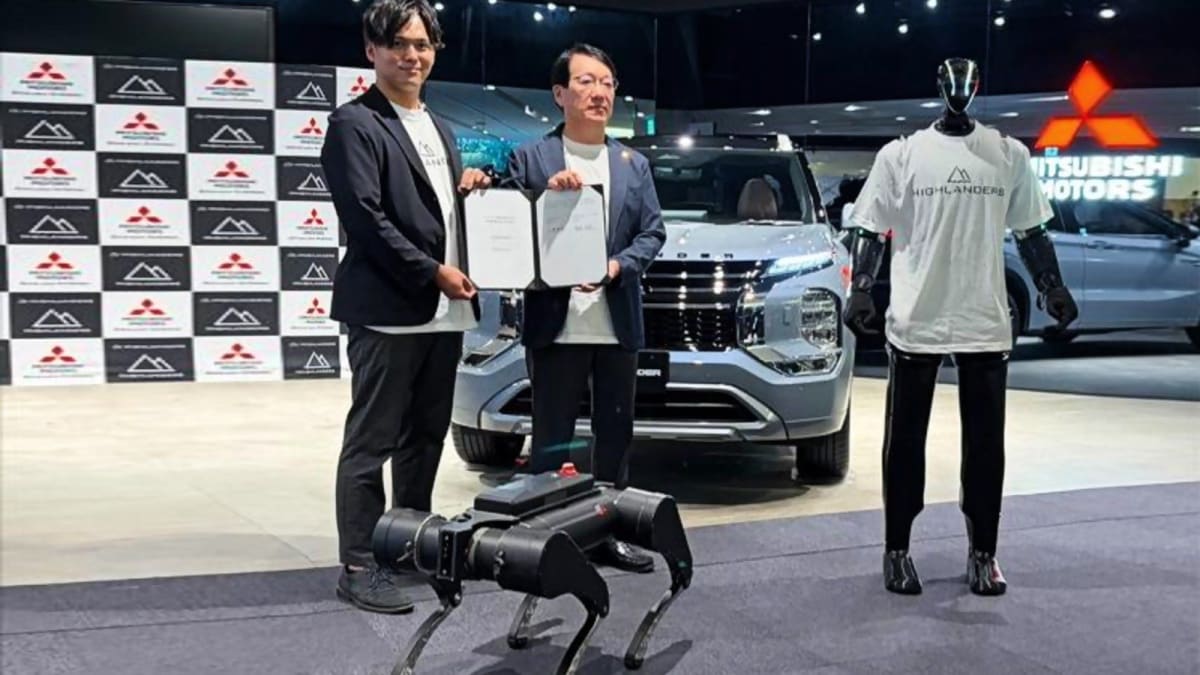
Mitsubishi is partnering with Highlanders, a University of Tokyo startup, to mass-produce humanoid robots at a former engine plant in Kyoto. If all goes to plan, production could start next year at a pace of 1,000 robots monthly.
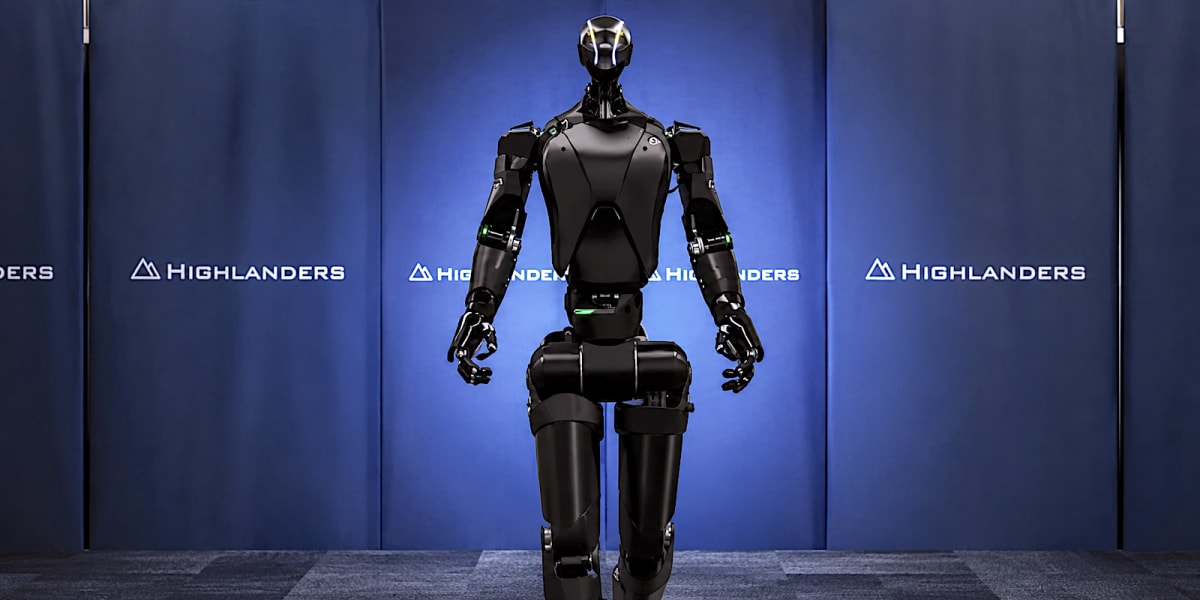
The "HL Human" robots stand out with their human-like movement, powered by 19 points of flexibility and high-output electric actuators. They're designed to see, plan, and even chat with their human coworkers using AI.
These aren't robots built to replace baristas or cashiers. They're headed for manufacturing floors, construction sites, and disaster zones where labor shortages are hitting hardest and the work is often dangerous.
Mitsubishi will test the robots in its own factories first, creating an unusual production loop where humanoids help manufacture the next generation of humanoids. "Our collaboration represents a challenge aimed at building a new industrial foundation in which humans and robots work together," said Takao Kato, Mitsubishi's CEO.
The automaker brings serious credentials to robotics. While many know Mitsubishi for cars, the company is actually a global leader in automation and industrial controls.
The Ripple Effect
This move signals something bigger than one company's manufacturing strategy. As populations age across developed nations, physically demanding and dangerous work faces a real workforce crisis.
Robots capable of entering radioactive zones, handling hazardous materials, or responding to disasters could fill roles that pose serious health risks. They're not taking jobs people are lining up for, they're stepping into gaps that desperately need filling.
Japan faces one of the world's most severe labor shortages due to its aging population. By developing practical humanoid robots now, Mitsubishi is building solutions for challenges many other countries will face within a decade.
The robot revolution looks less like science fiction and more like a practical answer to real human needs.
More Images


Based on reporting by Electrek
This story was written by BrightWire based on verified news reports.
Spread the positivity!
Share this good news with someone who needs it