Moderna Cancer Vaccine Cuts Melanoma Return Risk by Half
A personalized cancer vaccine from Moderna and Merck just proved it can train your immune system to fight melanoma tumors with pinpoint accuracy. Thousands of patients could benefit within years, with trials already underway for lung, pancreatic, and colon cancers.
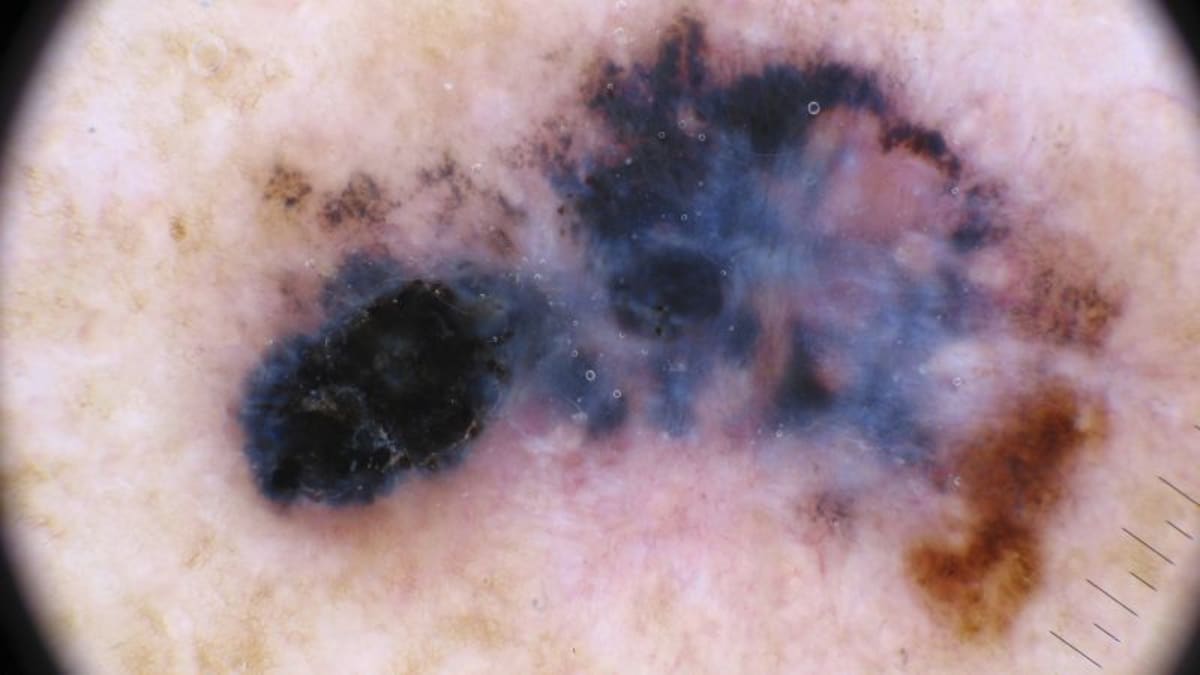
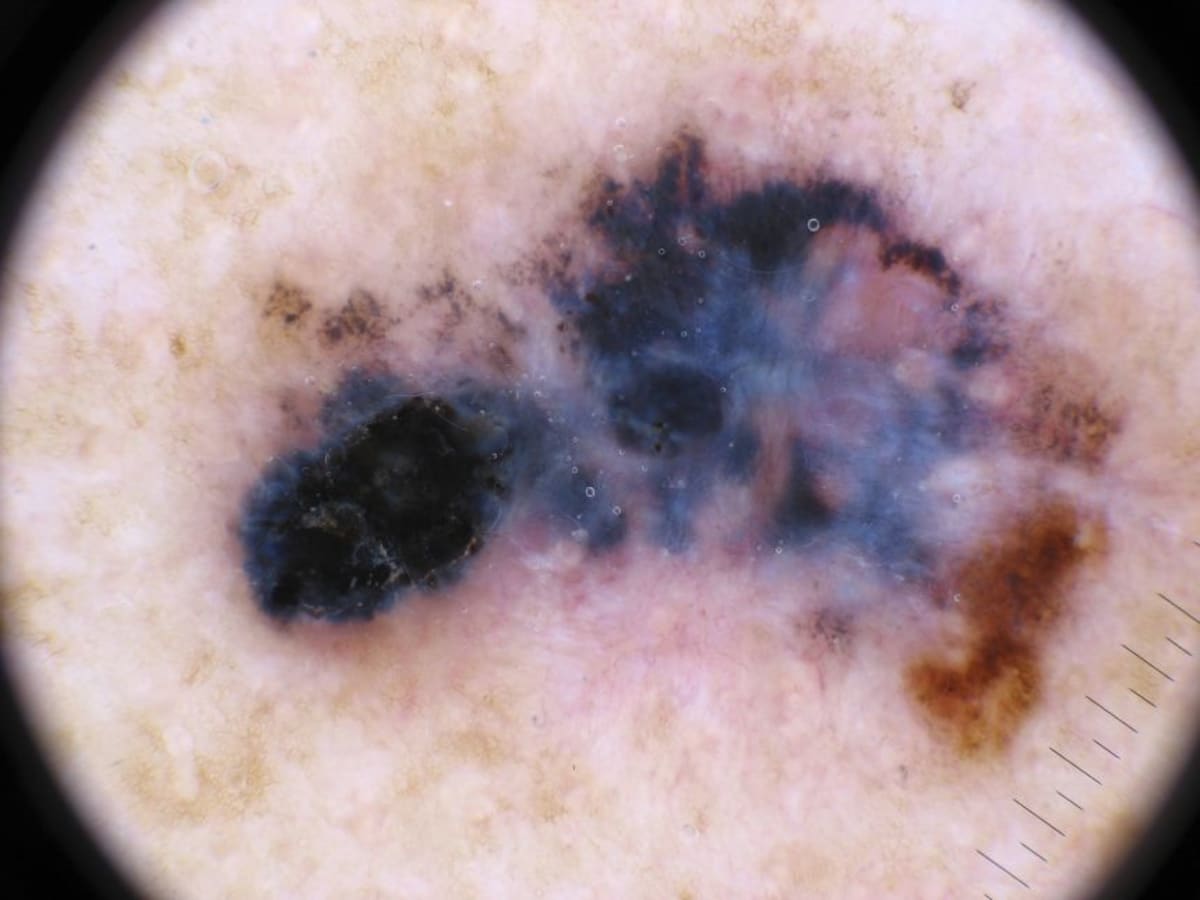
Cancer treatment just took a giant leap forward with news that a personalized vaccine can cut melanoma's return by half after surgery.
Moderna and Merck announced Wednesday that their experimental vaccine helped over 1,000 melanoma patients stay cancer-free after having tumors removed. The patients all faced high risk of their cancer coming back, but the vaccine gave their immune systems a fighting chance.
Here's what makes this different from everything else. Unlike chemotherapy, which destroys healthy cells alongside cancerous ones, this vaccine teaches your immune system to hunt down only the mutations unique to your specific tumor. It's like giving your body a wanted poster with your cancer's exact fingerprint.
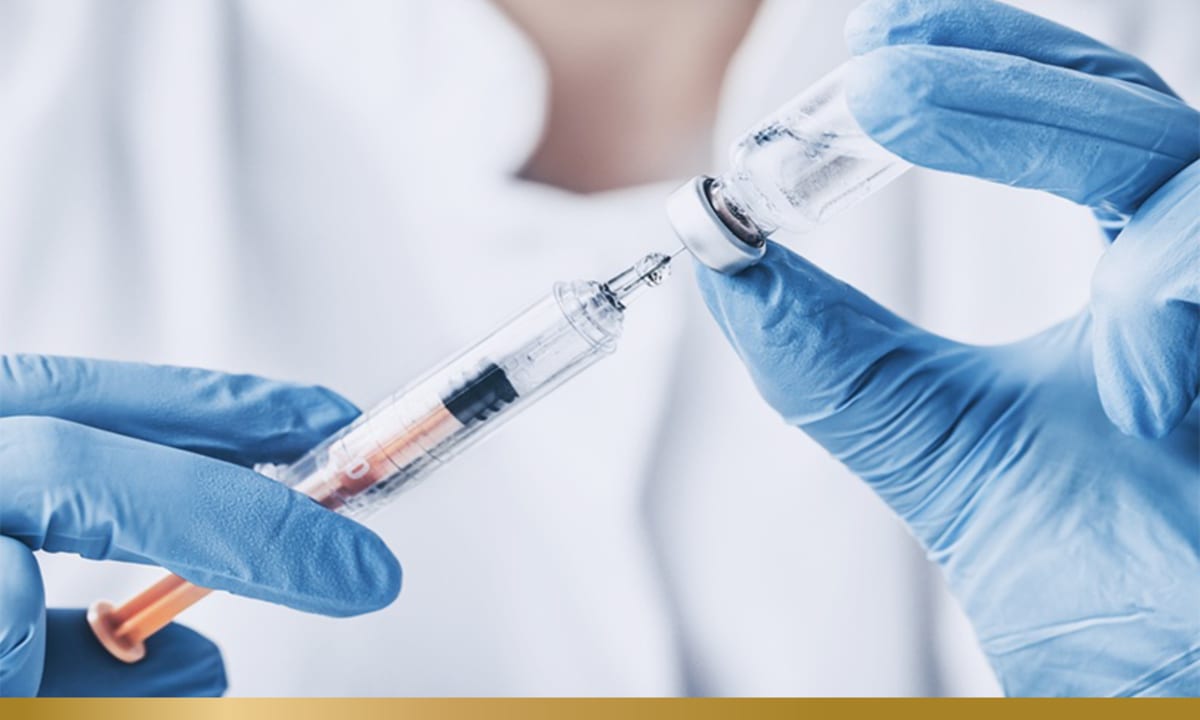
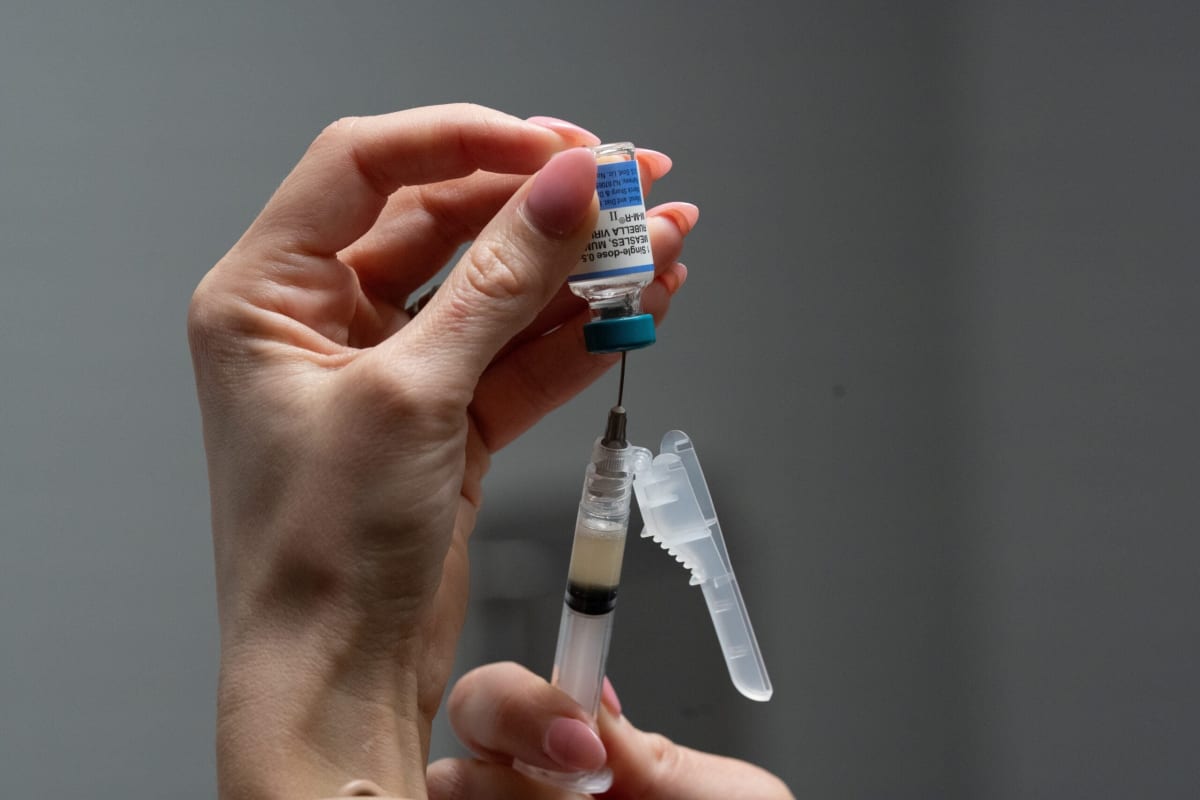
The treatment combines up to nine doses of Merck's immunotherapy drug Keytruda with a customized mRNA vaccine tailored to each patient's cancer. Earlier results showed the combo cut cancer spread to new locations by 59% compared to Keytruda alone, with no worse side effects than a flu shot.
Dr. Ryan Sullivan, who directs the melanoma center at Mass General Brigham, calls it "a big deal for the field in general." He expects the success will spark investment in similar approaches across cancer types.
The Ripple Effect
This breakthrough is already spreading beyond melanoma. Moderna and Merck are testing the vaccine in non-small cell lung cancer patients who've had surgery, plus mid-stage trials in bladder and kidney cancers. Early trials are exploring pancreatic and stomach cancers too, with results expected in the next two years.
Competitors are jumping in as well. Roche and BioNTech are testing a similar treatment in colon cancer patients, with results expected in 2027. Pancreatic cancer trial results will follow in 2031.
Dr. Robert Vonderheide at Penn Medicine's cancer center sees reason for optimism. "We should be hearing results from multiple studies over the next few years and there's every reason to hope now, with this news, that many of them will be positive," he said.
The vaccine works especially well with melanoma because those tumors produce lots of mutations, making them easier for the immune system to spot. But many other cancer types also create multiple mutations, suggesting the approach could help millions.
Dr. Elizabeth Buchbinder, a melanoma specialist, said the vaccine's added benefit "may change the math" for doctors weighing treatment options. Patients with lower recurrence risk might now choose treatment they'd previously skipped due to side effects.
Moderna expects thousands of melanoma patients could access the vaccine within the first few years after approval. The companies continue following trial volunteers to see if the treatment extends overall survival.
The same mRNA technology that helped end a pandemic is now teaching our bodies to end cancer, one personalized vaccine at a time.
More Images

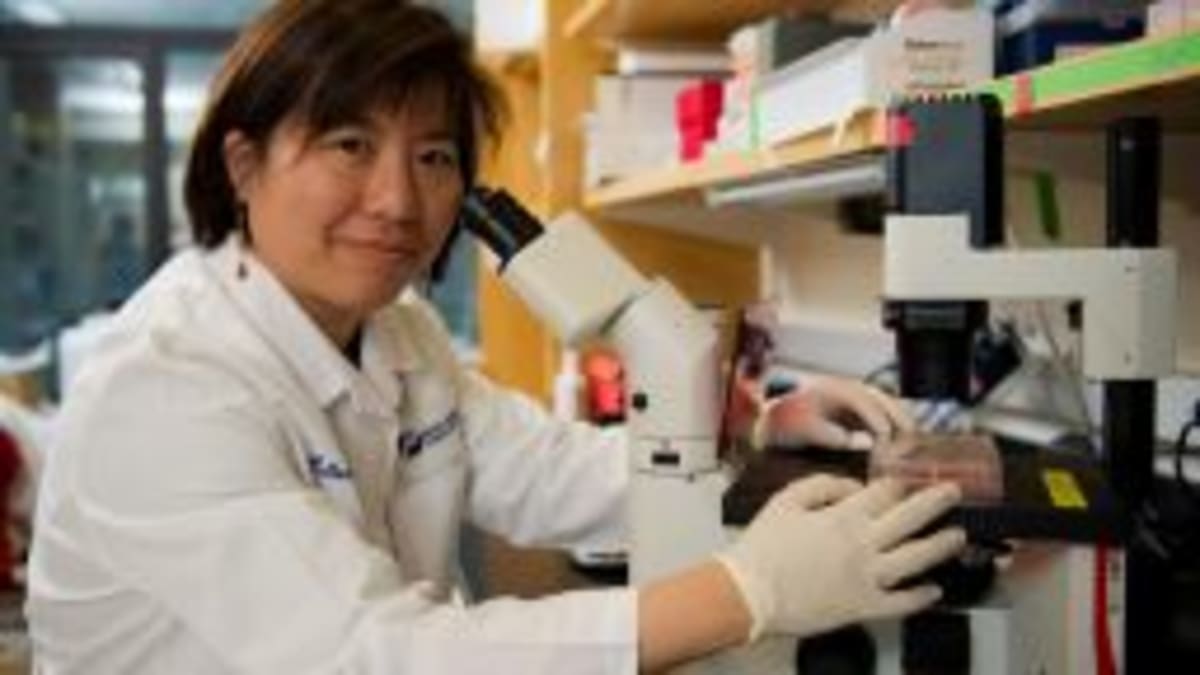
Based on reporting by Google News - Health Breakthrough
This story was written by BrightWire based on verified news reports.
Spread the positivity!
Share this good news with someone who needs it
%2Fhttps%3A%2F%2Ftf-cmsv2-smithsonianmag-media.s3.amazonaws.com%2Ffiler_public%2F8f%2F51%2F8f519049-2d05-4f9a-8858-f58ed880bd57%2Fgettyimages-1432941680.jpg)