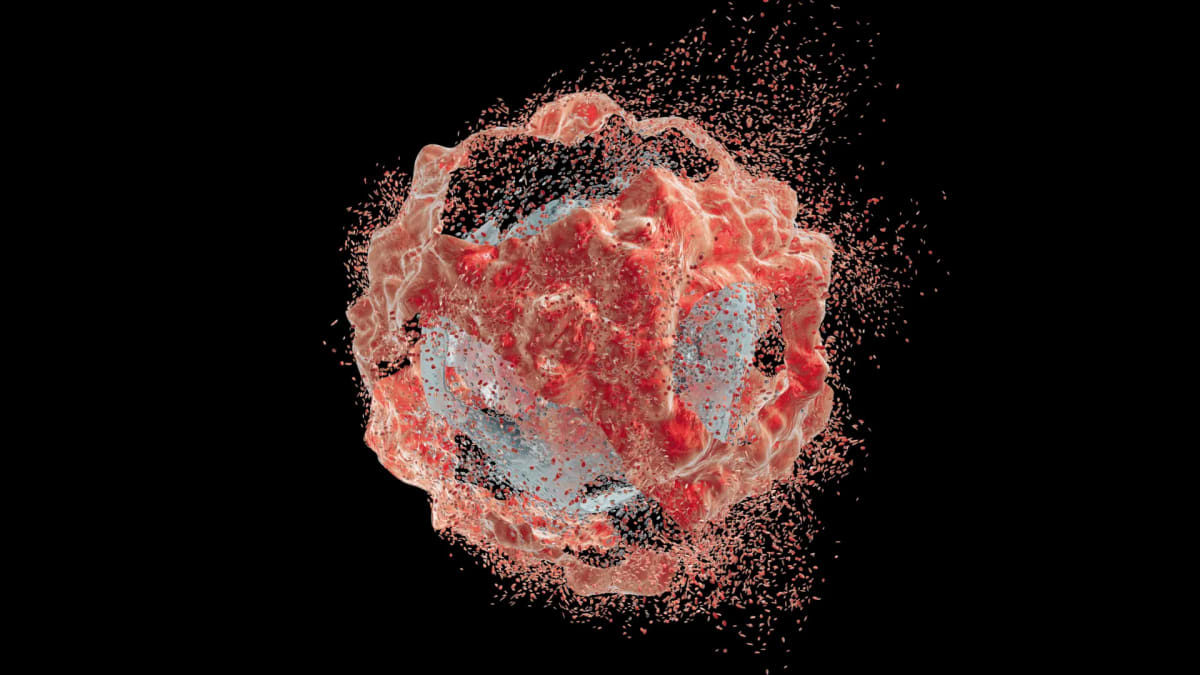
Moderna's Cancer Vaccine Shows Breakthrough Results in Trial
A personalized cancer vaccine from Moderna just aced its phase 3 trial for melanoma patients, marking a potential first for mRNA technology in cancer treatment. The same company that brought us a COVID vaccine in record time could soon revolutionize how we fight cancer.
Moderna just proved its breakthrough technology works beyond infectious diseases, and the implications for cancer patients could be enormous.
The biotech company announced its experimental personalized cancer vaccine, intismeran autogene, showed statistically significant improvements in keeping melanoma from returning in a major phase 3 clinical trial. This matters because no mRNA-based cancer vaccine has ever earned FDA approval, and Moderna's success suggests that could change soon.
The vaccine works differently than traditional cancer treatments. It's personalized for each patient, training their immune system to recognize and attack their specific cancer cells. Moderna developed it in partnership with pharmaceutical giant Merck, combining their expertise to tackle one of medicine's toughest challenges.
This isn't just a win for melanoma patients. The company is testing the vaccine across lung, bladder, and kidney cancers too. While those results aren't in yet, the melanoma success proves the concept works in real patients facing real disease.
Moderna made headlines during the pandemic by rapidly developing Spikevax, one of the first mRNA COVID vaccines. That product generated nearly $50 billion in lifetime sales and saved countless lives. But many wondered if the company was a one-hit wonder limited to infectious diseases.
These cancer results answer that question with a resounding no. The same mRNA technology that helped end lockdowns could now help cancer patients stay disease-free longer.
The Ripple Effect
This breakthrough ripples far beyond Moderna's labs. It validates an entirely new approach to cancer treatment that dozens of companies are racing to develop. When one succeeds, it paves the way for others and accelerates the whole field.
Analysts predict intismeran autogene could generate nearly $17 billion in annual revenue by 2035 if it continues succeeding across different cancer types. More importantly, it could give patients precious extra years with their families.
The vaccine won't reach peak sales as quickly as Spikevax did during the pandemic's urgent demand. Instead, it should build steadily over the next decade as more doctors prescribe it and more cancer types get approved. That means consistent help for patients year after year, not just a short-term solution.
Moderna isn't stopping here either. The company has a pipeline full of other mRNA-based treatments for various diseases. Some will fail, but the company has shown it can overcome setbacks and keep innovating. After facing a major vaccine failure just recently, they bounced back with two huge wins: a new flu vaccine approval and now these cancer results.
The technology that helped us survive a pandemic is now teaching our bodies to fight cancer, and that's a future worth getting excited about.
More Images




Based on reporting by Google News - Vaccine Success
This story was written by BrightWire based on verified news reports.
Spread the positivity!
Share this good news with someone who needs it