Rattlesnake Blood Reveals 10x Stronger Antivenom
Scientists discovered that proteins in rattlesnake blood can neutralize deadly venom 10 times better than current treatments. This natural solution could save thousands of lives worldwide each year.
Scientists just unlocked a powerful weapon against deadly snakebites by studying the snakes themselves.
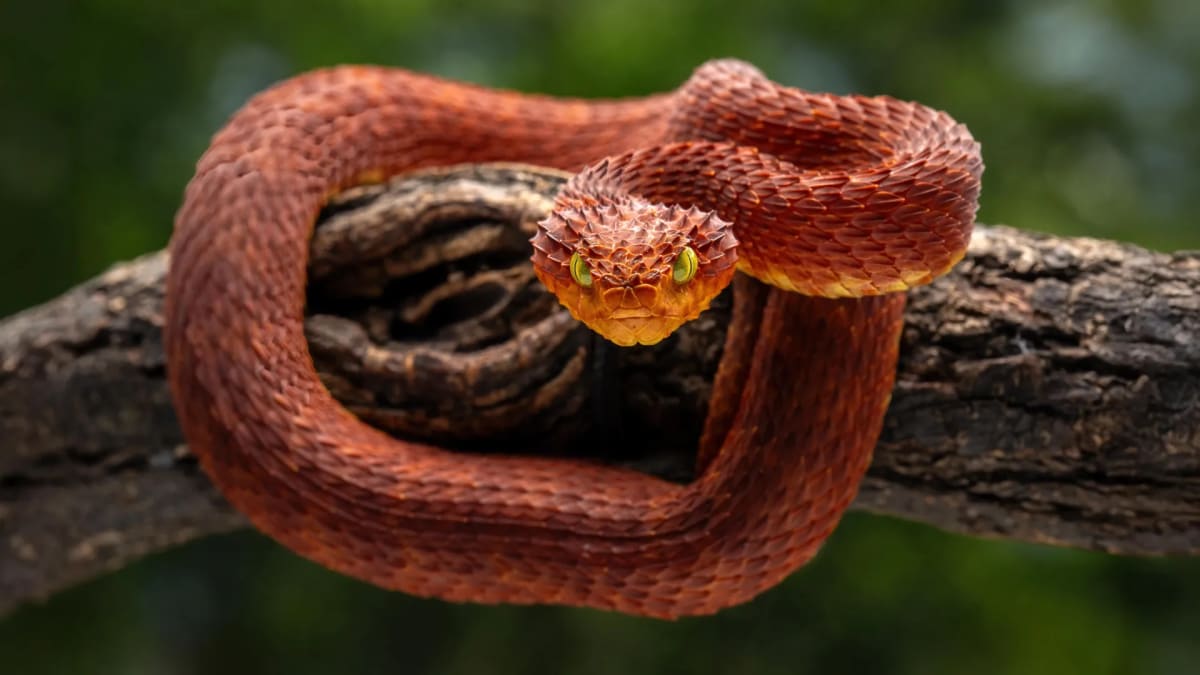
University of Maryland researchers found that western diamondback rattlesnakes carry special proteins in their blood that protect them from venom. When combined in the right mix, these proteins neutralize deadly toxins 10 times more effectively than current antivenoms.
The breakthrough matters enormously. Venomous snakes kill between 80,000 and 140,000 people every year, mostly in rural areas where good antivenom is hard to find. Hundreds of thousands more survive with permanent disabilities.
Distinguished University Professor Sean B. Carroll led the team that made the discovery. "This is one of those great stories when nature has already solved a problem we've been grappling with for decades," he said.
Current antivenoms work by injecting horses or sheep with venom and collecting their antibodies. These treatments save lives but have serious drawbacks. They're expensive to make, their quality varies, and they can trigger dangerous immune reactions in patients.
Scientists have known for a century that vipers resist their own venom, but nobody knew exactly why. In 2022, Carroll's lab identified a protein called FETUA-3 that blocks toxins in rattlesnake venom.
The team then tested what happens when you combine multiple FETUA proteins. Each protein alone could counter some venom effects, like reducing bleeding or blocking enzyme activity. But none could prevent death on its own.
The magic happened with combinations. Mixed together, the proteins completely neutralized lethal rattlesnake venom in lab tests. Even better, they protected against venom from multiple viper species separated by 50 million years of evolution.
Snake venom is incredibly complex, containing around 100 different toxin proteins. Each species has a slightly different recipe. "The ingredients are there," Carroll explained. "We just have to keep testing various mixtures."
Why This Inspires
This discovery shows how paying attention to nature's solutions can crack problems that have stumped us for generations. Snakes evolved these defenses over millions of years to survive accidental bites during hunting or fights with other snakes.
Now researchers are using that same strategy to target other toxin families. Carroll's team is close to having effective solutions for the three major toxin families found in viper venom.
The first commercial products using this approach could arrive within years, not decades. Unlike current antivenoms that require animals and complex processing, these proteins can be produced in laboratories. That means more consistent quality, lower costs, and wider availability in the regions that need them most.
For communities where snakebite remains a daily threat, this nature-inspired antivenom offers genuine hope for a future with far fewer deaths and disabilities.
Based on reporting by Google News - Scientists Discover
This story was written by BrightWire based on verified news reports.
Spread the positivity!
Share this good news with someone who needs it