Scientists Discover How Caterpillars Hear Without Ears
Researchers used the world's quietest room to solve a nature mystery: caterpillars can hear approaching predators through tiny body hairs. This discovery could lead to better hearing aid technology.
A caterpillar freezing mid-munch just saved its own life, sensing a wasp sneaking up from behind without a single visible ear on its body.
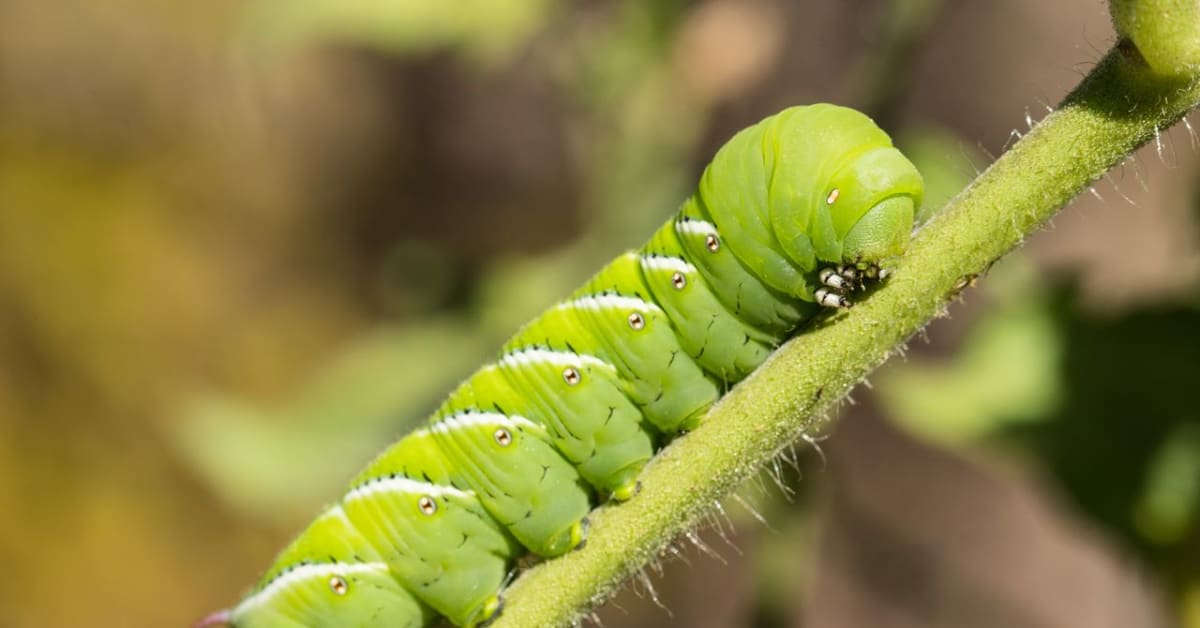
Scientists have finally cracked the code on how tobacco hornworm caterpillars pull off this survival trick. A team of biologists and engineers discovered these creatures hear through microscopic hairs covering their bodies, detecting sounds so faint they needed one of Earth's quietest places to study them.
The researchers brought caterpillars into an anechoic chamber, a room so silent it blocks every outside noise. Steel springs suspend the entire chamber above the ground, preventing even the tiniest vibration from interfering. Inside this eerie silence, they spent a year testing how caterpillars responded to different sounds and vibrations.
The team placed caterpillars on platforms and measured their reactions using an accelerometer, a device that detects the smallest movements. They watched caterpillars jump, twitch, and shudder in response to stimuli. Then they identified the exact threshold where reactions stopped.
Here's where it got interesting. When researchers played airborne sounds instead of direct vibrations, caterpillars kept reacting even below their vibration threshold. This meant they were truly hearing through the air, not just feeling vibrations through their perch.
The scientists suspected those tiny body hairs were the key. To test this theory, they carefully removed hairs from different caterpillars using tweezers under a microscope. Some lost all their hairs, others just a few strategic ones.
The results were dramatic. Without their hairs, the caterpillars' defensive reactions dropped significantly across various sound frequencies. Different hairs even appeared tuned to pick up different sounds, like tiny biological antennas covering their bodies.
The Ripple Effect
This discovery reaches far beyond bug biology. Standard microphones detect sound pressure using membranes, but these caterpillar hairs work differently by sensing air particle velocity.
Engineers could design new microphones inspired by this system, creating devices that detect both sound volume and direction simultaneously. For people using hearing aids, this could mean finally knowing where sounds are coming from, not just how loud they are.
The technology could also become cheaper to produce than current microphone designs. By mimicking nature's elegant solution, scientists might create better acoustic tools for everyone from hearing aid users to audio engineers.
A tiny caterpillar's survival trick is teaching us how to help millions of people hear the world more clearly.
More Images




Based on reporting by Wired
This story was written by BrightWire based on verified news reports.
Spread the positivity!
Share this good news with someone who needs it