Moles Help Uncover 800-Year-Old Medieval Estate in Belgium
Moles digging tunnels in a Belgian nature reserve accidentally helped archaeologists discover a medieval gatehouse that vanished from history 700 years ago. Their underground work brought 2,810 fragments of the past to the surface without a single shovel.
While archaeologists carefully plan excavations with permits and precision tools, a team of moles in Belgium has been doing the job for free.
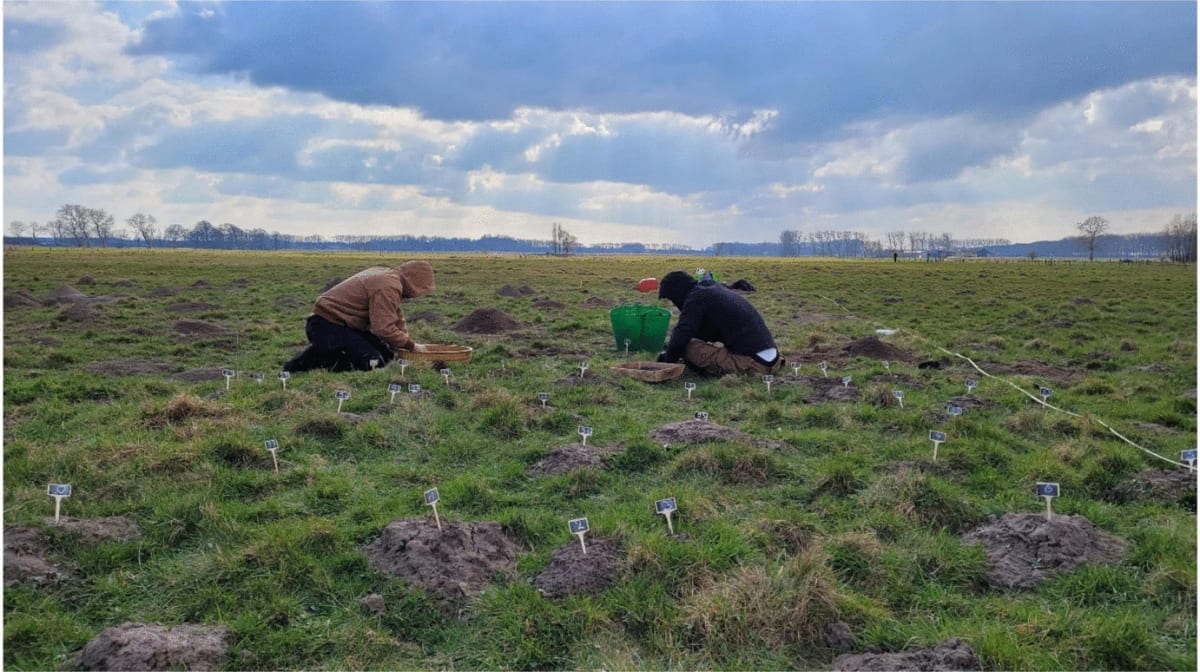
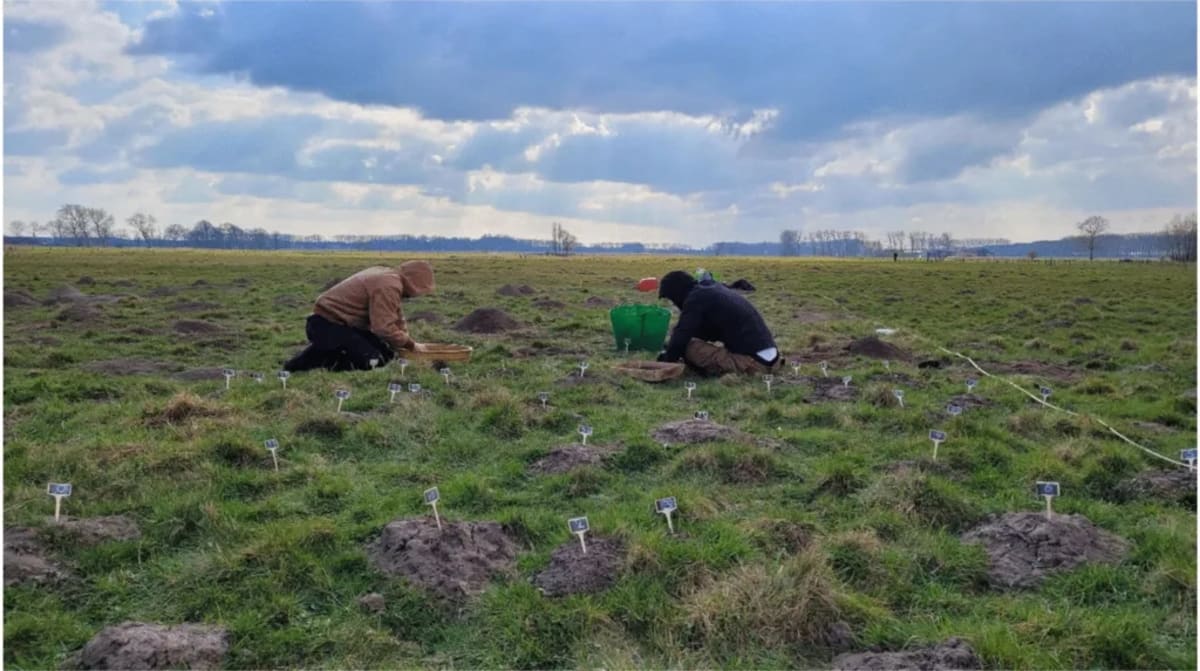
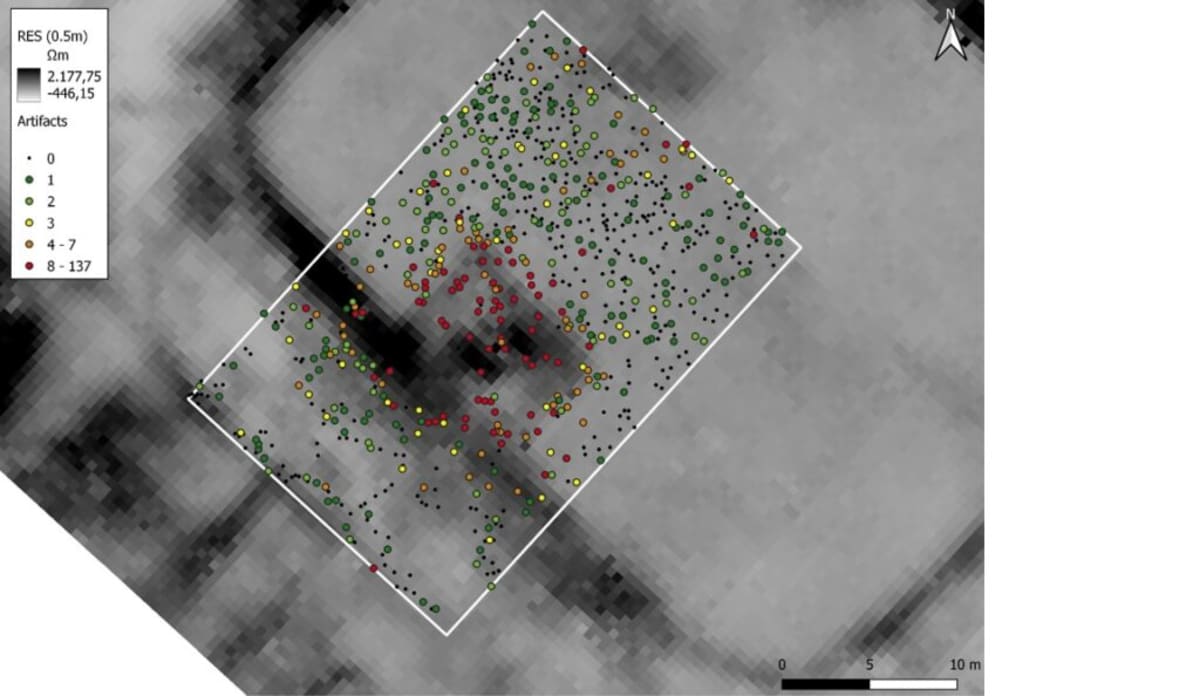
Researchers from Ghent University collected archaeological treasures from 814 molehills near the historic town of Damme in Flanders. The tiny diggers pushed up fragments of pottery, bricks, and metal from a 13th to 14th century estate that had completely disappeared from records.
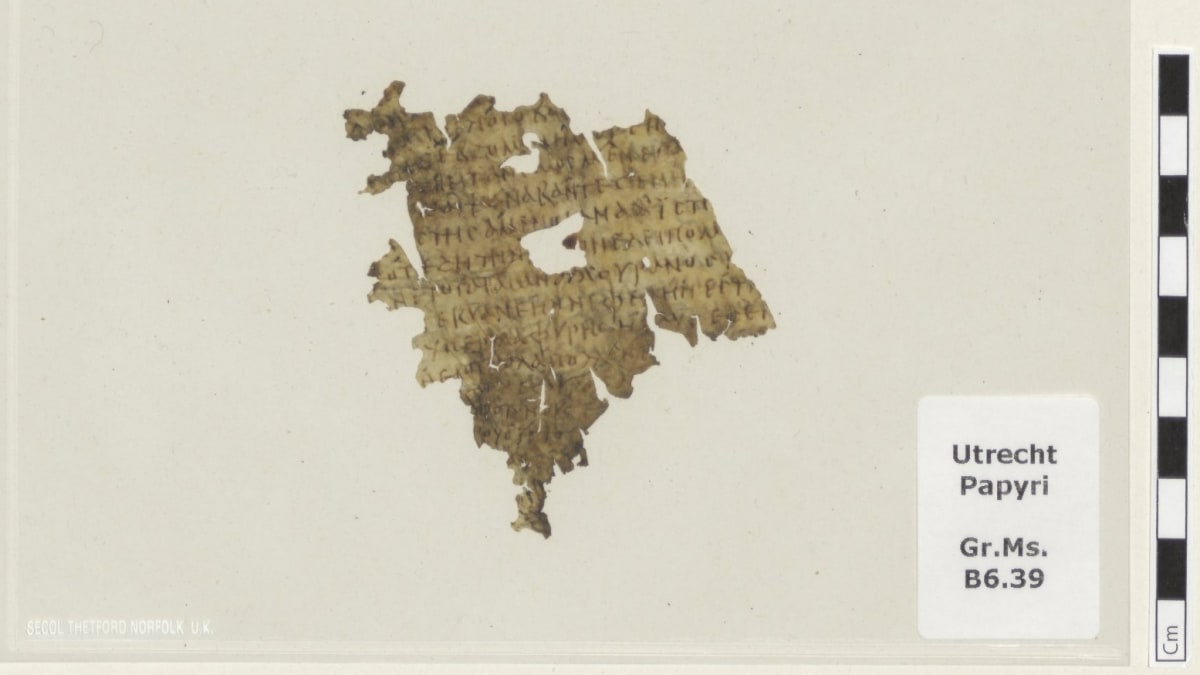
The team sifted through soil from each molehill using a simple mesh screen. They recovered 2,810 pieces weighing just over two kilograms, including construction debris, decorated pottery, and iron nails. More than half the molehills contained something historically valuable.
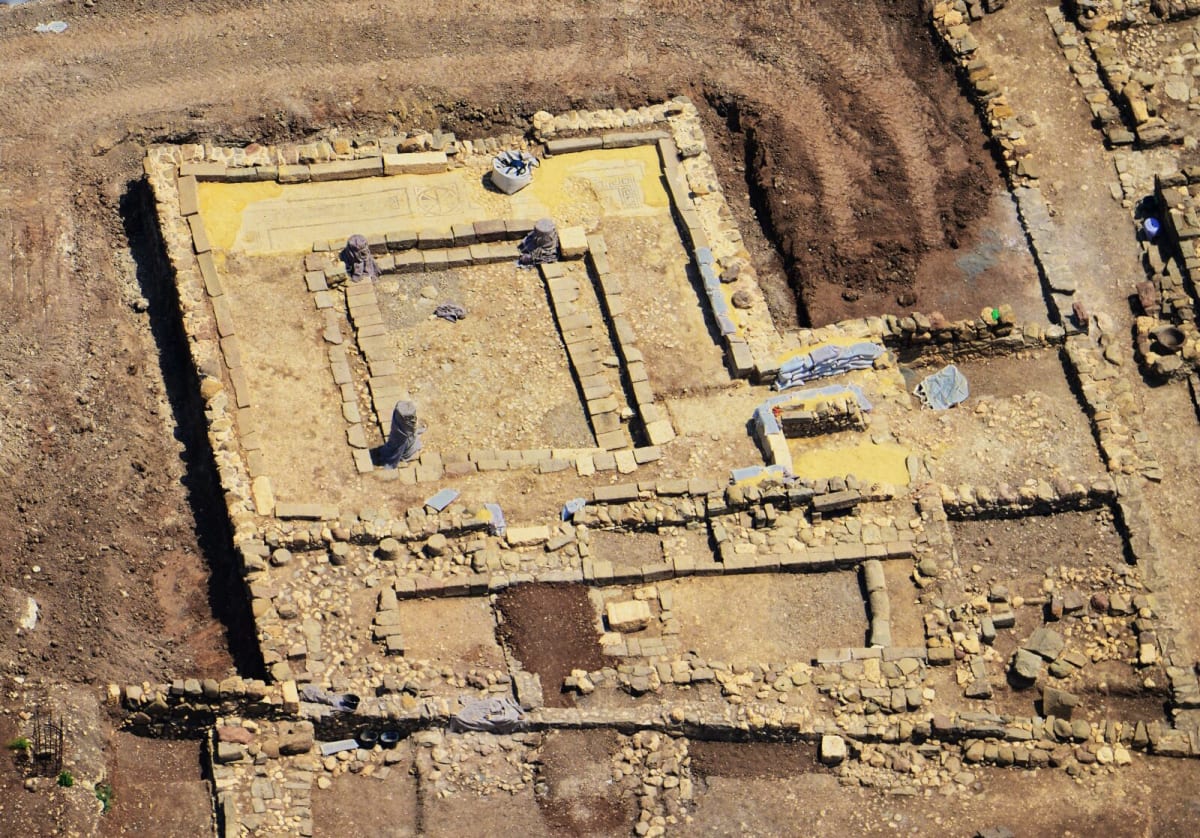
The fragments weren't scattered randomly. They clustered above a rectangular area measuring roughly 10 by 8 meters, revealing the footprint of a brick gatehouse. Geophysical scans confirmed something substantial lay buried beneath the grass, while soil samples showed thick layers of medieval brick.
The pottery told the building's story through time. Most pieces dated to the 1200s and 1300s, when Damme served as an important harbor for the wealthy trading city of Bruges. The estate likely belonged to someone of considerable social standing, complete with water-filled moats and raised earthworks.
What makes this discovery remarkable is that the structure appeared on a 1574 map by cartographer Pieter Pourbus, but with no buildings shown. The gatehouse had already been abandoned and forgotten by then. The moats sketched on that 450-year-old map still match the landscape today.
The Bright Side
This technique, playfully called "moleology" by some researchers, offers hope for protecting buried heritage without disturbing it. The study, published in the Journal of Archaeological Method and Theory, shows how working with nature can reveal history that expensive excavations might miss.
Traditional archaeological digs require funding, permits, and often destroy the very sites they investigate. Moles work 24/7 for no pay, bringing small samples to the surface while leaving structures intact below. Their tunnel-digging naturally avoids areas with dense brick or stone, creating a gentle map of what lies beneath.
The researchers combined molehill finds with drone imagery, historical maps, and geophysical measurements to reconstruct the lost estate. They even identified traces of a medieval bridgehead and access road leading to the gatehouse, painting a complete picture without breaking ground.
Archaeologists in Belgium and Britain have used molehills before, but this study proves the method works systematically across larger areas. The Damme discovery adds an entire chapter to local history that would have remained buried.
History sometimes emerges in the most unexpected ways, thanks to small creatures just going about their daily lives.
More Images
Based on reporting by Google: archaeological discovery
This story was written by BrightWire based on verified news reports.
Spread the positivity!
Share this good news with someone who needs it