Mom Trains 1000s of Caregivers After Son's Autism Diagnosis
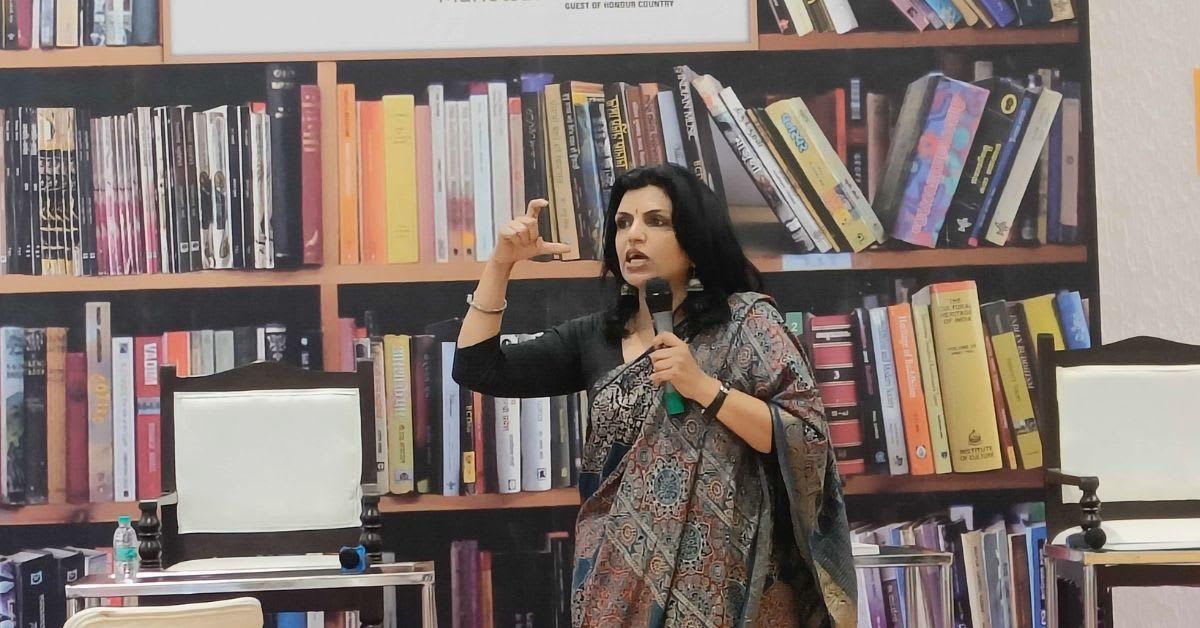
A mother turned her journey of supporting her son with Asperger's syndrome into a foundation that has trained thousands of caregivers across India. Neena Rao's Margika Foundation now helps families navigate neurodivergent conditions with empathy and practical tools.
When Neena Rao's 12-year-old son was diagnosed with Asperger's syndrome in 2006, she had no idea her struggle to find proper support would lead to helping thousands of families. Today, her Margika Foundation trains caregivers across four Indian states, transforming how families approach autism and neurodivergent conditions.
The Hyderabad mother had returned from a faculty position in Colorado, eager to work in India's impact sector. But when her son Harshvardhan began struggling socially despite his brilliant mind, she faced a harsh reality: schools weren't equipped to help him thrive.
Harshvardhan showed signs of intelligence early on, asking his grandmother at age five why the Mahabharata's conflicts couldn't be solved peacefully. But classroom settings overwhelmed him, leading to frequent complaints from teachers and constant school switches.
After trying regular schools, special schools, and even homeschooling in India with limited success, the family returned to the United States. There, a public school's multi-pronged approach, combining therapies with sports and academics, helped Harshvardhan excel through Class 12 and into college.
That experience became Neena's blueprint for change. She founded Margika in 2017 to bridge the gap between Western therapeutic approaches and Indian family needs, focusing on practical caregiver training rather than abstract theories.
The foundation tackles the stigma surrounding special needs children head-on. Through workshops in Gujarat, Telangana, Maharashtra, and Assam, Margika teaches parents and educators to recognize signs early and respond with understanding instead of punishment.
The Ripple Effect
When COVID-19 hit, Margika's impact multiplied dramatically. The foundation supported over 8,000 families through teleservices, helping them navigate remote learning challenges.
They identified a critical gap: many families lacked basic technology for online education. Margika distributed mobile phones to families in rural Telangana and trained parents to use them as learning tools for their children with special needs.
In January 2020, the foundation's learning disability screening drive trained 60 professionals to identify early warning signs in children. Early detection means families can start support systems before children fall too far behind or develop deeper emotional struggles.
Neena emphasizes that Margika isn't just about therapy, it's about creating networks where families feel less alone. When caregivers understand their children's unique ways of processing the world, frustration transforms into patience and punishment becomes support.
Her son's journey taught her that neurodivergent children don't need fixing. They need environments that work with their strengths, not against their differences.
Thanks to one mother's determination to turn personal pain into community progress, thousands of Indian families now have the tools to help their children not just survive, but truly thrive.
More Images
.png)
%2Fenglish-betterindia%2Fmedia%2Fpost_attachments%2Fuploads%2F2023%2F04%2Fautism-spectrum-disorders-1681478250.jpg)

Based on reporting by The Better India
This story was written by BrightWire based on verified news reports.
Spread the positivity!
Share this good news with someone who needs it